



The short answer
You have AT&T or Verizon and a flight to Tokyo, and the question is whether to roam or buy an eSIM. I read both carriers' day-pass pages on 31 October 2026, then set them against the five travel eSIMs and Ringo Light, priced on 10 November 2026. For a weekend I would roam. For two weeks or a month I would buy Ringo Light, and keep my own SIM in the phone for calls.
Unlimited data at full speed for 2 weeks at $21.99 or 30 days at $54.99, one payment, nothing renews. Airalo asks $48 for 15 days and $69 for the month.
If you only need maps and messages: 10 GB for 30 days at $16 and 20 GB at $23, on KDDI au and SoftBank. Its 3 days of unlimited is $11.
For a trip that leaves the cities: KDDI and NTT Docomo, 10 GB for 30 days at $16.50. Its 15 days is 30 GB at full speed, then 2 Mbps, for $39.
Days, not gigabytes, on KDDI and SoftBank. A week costs $27.50, and sharing from the phone is limited to 1 GB a day.
Prices read on 10 November 2026: Airalo, Holafly, Saily, Nomad, Ubigi, AT&T, Ringo Light, Verizon on their own sites or listings, Ringo Light from its catalogue. All in US dollars unless stated. Treat every number as a snapshot.
See the full price index for every country.
Travelling further? Compare the best eSIM for Asia and the eSIM for Asia-Pacific.
The prices, charted
US dollars, 10 November 2026. Ringo Light sells 14 days, the others 15. Nomad's unlimited now stops at 10 days. Ubigi's 15 days is 30 GB at full speed, then 2 Mbps.
The 30-day plan at each brand. Ringo Light is unlimited data at full speed. Ubigi's month is 60 GB at full speed, then 2 Mbps. Nomad stops at 10 days.
Holafly sells no buckets. Ringo Light sells no bucket either: its 2 weeks is unlimited, and lasts 2 weeks, not 30 days.
Side by side
Swipe to compare →
Get Ringo Light for Japan, from $9.99.
Installed once, next to your own SIM. Your eSIM arrives by email in seconds.

- 3 days $9.99
- 2 weeks $21.99
- 30 days $54.99
We sell data eSIMs for now to fund the full Ringo service. Ringo is self funded. Every plan bought here pays for the build of one plan that works everywhere.
Want to keep your own number abroad?
That is the full Ringo service: one plan that works everywhere, with your own number included.
It is a separate product from Ringo Light and it is still being built, so it is not on sale yet. Join the waitlist to hear when it opens.
What to see in Japan, and what your phone needs for it
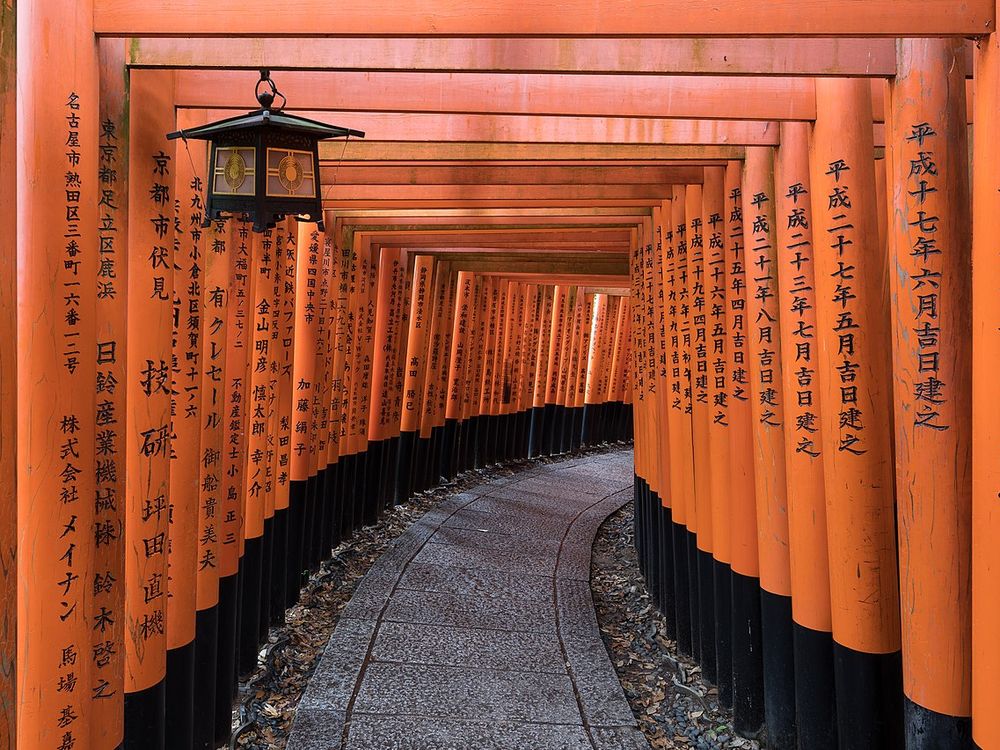
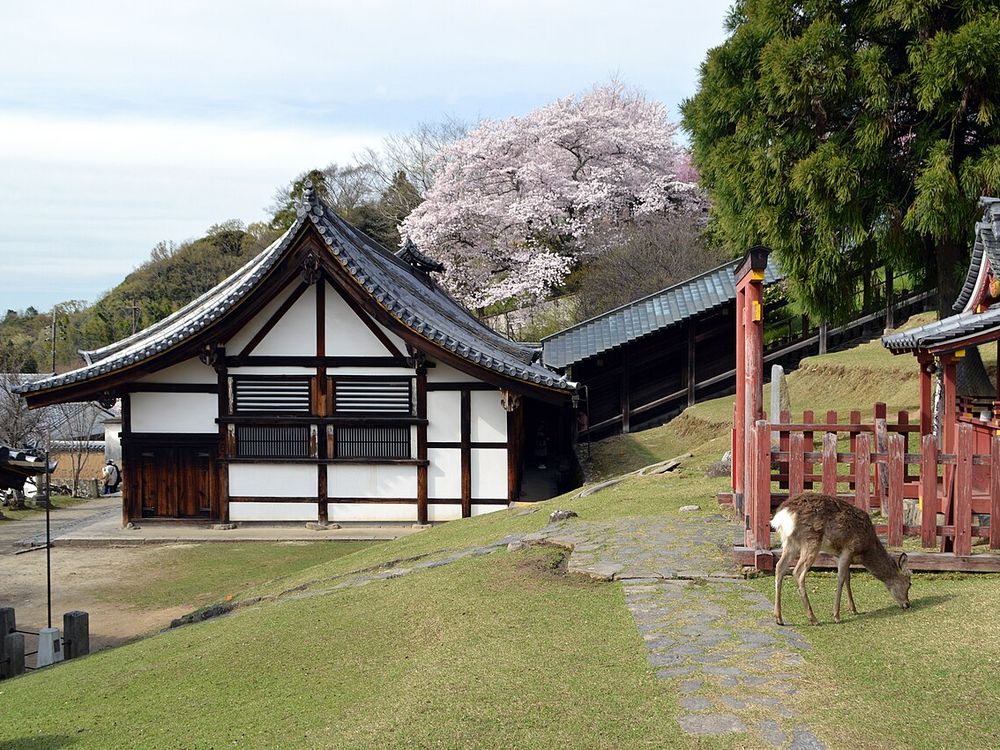
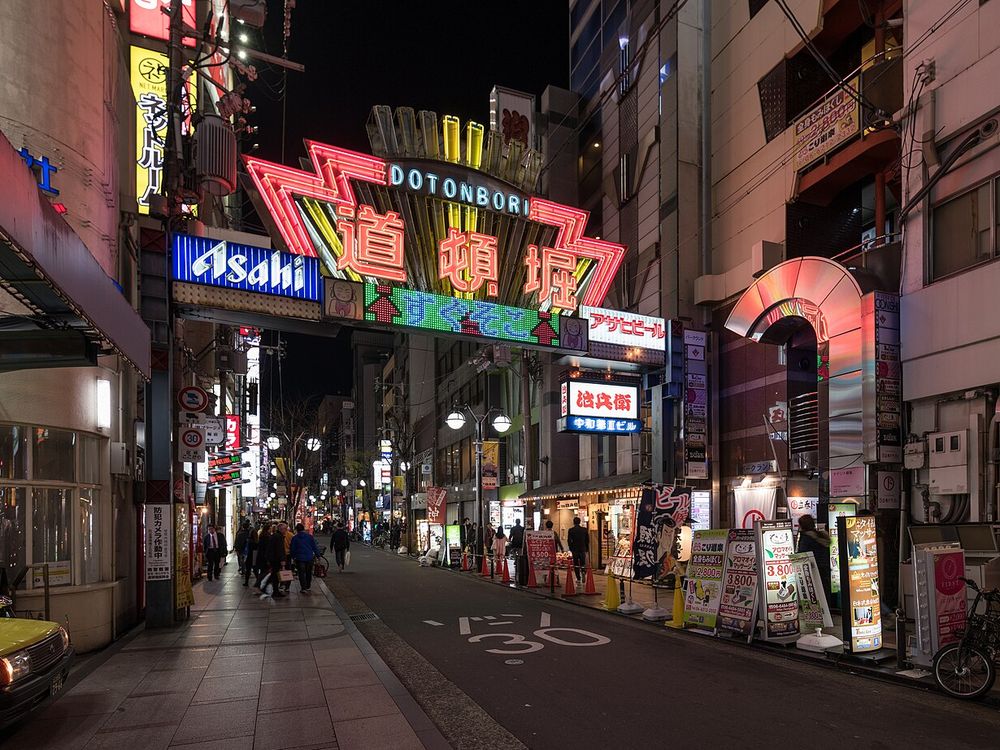
Eight places most first trips include, from Tokyo to Hiroshima, with the one thing your data does for you at each. All of them are on the main rail lines and all have good 4G and 5G.




Roam with your carrier, or buy an eSIM
AT&T's International Day Pass is $12 a day in Japan, $168 for two weeks and $360 for a month, read 31 October 2026. Verizon TravelPass lists Japan at the same $12 a day on the same date. Three days is $36 on either. Ringo Light is $9.99 for 3 days, $21.99 for 2 weeks and $54.99 for 30 days, unlimited data at full speed, paid once.
Against the cheapest rival, the carrier gap stays wide. For about two weeks, Ubigi asks $39 for a fixed 30 GB and Airalo $48; Nomad's unlimited stops at 10 days at $33. For a month, Ubigi asks $65 and Airalo $69. For 3 days, Nomad asks $11. On two weeks, Ringo Light is $146.01 under either day pass. On a month it is $305.01 under.
Here is what the carrier wins, and I would not dismiss it. Your own number keeps ringing, calls and texts are included, and there is nothing to install and no eSIM slot to find. Both carriers bill only for the days the phone is used in Japan, so a day or two of use costs $12 or $24. For one or two days, I would roam. From the third day, Ringo Light costs less than the pass.
AT&T adds $6 a day for each additional line used on the same day. If two of you travel on one account, that is $18 a day against two eSIMs, which is worth a pencil before you fly.
Networks in Japan, and what changes for a visitor from the United States
Japan has three big networks: NTT Docomo, KDDI au and SoftBank. All three cover the cities and the Shinkansen lines well, and Docomo reaches furthest into the mountains and rural Hokkaido. In the table, Airalo names SoftBank, Holafly and Saily KDDI and SoftBank, Nomad KDDI au and SoftBank, and Ubigi KDDI and Docomo. Ringo Light rides a local partner network. For Tokyo, Kyoto, Osaka and Hiroshima, I would not pick on the network.
For a visitor, the difference is how the data is billed. AT&T and Verizon charge per day of use, on the line you already pay for, and Verizon says each 24-hour session carries 5 GB at high speed, then unlimited data at 3G speeds. AT&T describes unlimited high-speed data when the pass sits on an Unlimited Plan, with the allowance of your home plan applying. The eSIMs are bought ahead and run for a set number of days.
Neither carrier page shows a monthly plan for Japan, so I read the month as thirty days at $12. Verizon's pages also do not set out which plans qualify, so I would check in your account before you fly.
If you want a data bucket: Nomad or Ubigi
- Nomad, $16 for 10 GB. The cheapest 10 GB and the cheapest 20 GB at $23, on KDDI au and SoftBank with 5G. Far under a day pass for a light user.
- Ubigi, $16.50 for 10 GB. KDDI and Docomo, the widest coverage of the six, and my choice if your route leaves the cities.
- Saily, $17.99 for 10 GB. 20 GB comes to $24.99. Every Saily price here was read on saily.com.
- Airalo, $18 for 10 GB. Its Moshi Moshi plan, 20 GB for $25, with buckets from $4 for 1 GB.
- ✓Ringo Light, no buckets. Ringo Light is unlimited, $21.99 for 2 weeks and $54.99 for 30 days. For a fixed 10 GB, all four rivals above are cheaper, and their 20 GB at $23 to $25 now costs more than Ringo Light's 2 weeks, though it lasts 30 days. I would buy Ringo Light for unlimited, not for a bucket.
What Ringo Light is
Ringo Light is Ringo's own data eSIM, and I write for Ringo, so weigh my verdict with that in mind. It is sold to fund the full Ringo, one plan that works everywhere with your own number ported onto it. For Japan it sells three trips, all unlimited data at full speed: 3 days at $9.99, 2 weeks at $21.99 and 30 days at $54.99. Nothing renews. The eSIM arrives by email and installs in one scan, no app.
It sits next to your own SIM, so your number still rings for calls and texts if you leave roaming on for those, which both carriers include. I would use the eSIM for data and let the carrier handle the rest.
The card to buy it is further up this page, just after the side-by-side table.
Pick by trip
I would roam on the carrier if it is one or two days, $12 or $24. For all 3 days, Ringo Light at $9.99 beats the $36 pass.
I would buy Ringo Light, $21.99, against $168 on either day pass and $39 to $48 at the rivals.
I would buy Ringo Light, $54.99. The carriers come to $360, and the cheapest rival month is Ubigi at $65.
My pick is Nomad 10 GB for 30 days at $16, if you will mostly use maps and messages.
I would keep the carrier SIM in the phone with roaming on for calls, and put the data on Ringo Light.
AT&T adds $6 a day for the second line. Two Ringo Light eSIMs for two weeks are $43.98, still far under $168 for one phone.
Frequently asked questions
How we compared, and our sources
Airalo, Holafly, Saily, Nomad, Ubigi, AT&T, Ringo Light, Verizon, Ringo Light
We priced Airalo, Holafly, Saily, Nomad, Ubigi and Ringo Light for Japan on 10 November 2026, all on the same day, in US dollars. Each rival's price comes from its own website where it showed dollars, otherwise from an esimdb.com listing, and every source and its date is listed below. Ringo Light's prices come from the catalogue our checkout charges.
We compare the trips people actually book: a week, two weeks and a month of unlimited data, and a 10 GB bucket. We read each brand's fair use and speed rules and quote them as the brands state them. We did not run speed tests, so this page makes no speed claims for any brand.
Ringo Light is our own product. We put it in the table on the same terms as everyone else, and where a rival is the better buy the page says so.
Left out: Maya Mobile. We could not read its own prices for this country on the day, so it stays out rather than being guessed.
- Airalo: www.airalo.com/japan-esim?currency=USD, unlimited in dollars on the site, read 10 November 2026; buckets from esimdb.com/japan/airalo, listing dated 4 October 2026, not readable on 10 November 2026, figures kept from 25 October
- Holafly: esim.holafly.com/esim-japan/, prices in dollars on the site, read 10 November 2026
- Saily: saily.com/esim-japan/, prices in dollars on the site, 25 October 2026; not readable on 10 November 2026, figures kept from 25 October
- Nomad: www.nomadesim.com/japan-esim, prices in dollars on the site, read 10 November 2026; 10 GB and 20 GB on sale at $16 and $23; unlimited now sold for 3, 5, 7 and 10 days only
- Ubigi: cellulardata.ubigi.com/data-plans-and-coverage/ubigi-esim-data-plans/?destination=JPN, prices in dollars on the site, 25 October 2026; not readable on 10 November 2026, figures kept from 25 October
- AT&T: www.att.com/international/day-pass/, International Day Pass price, additional lines and what it includes, with the destination list at att.com/support/article/wireless/KM1395068/ showing Japan, read 31 October 2026
- Ringo Light: ringoesim.com/japan, the catalogue the checkout charges, read the same day
- Verizon: www.verizon.com/support/travelpass-faqs/, TravelPass FAQ for the daily price, the 5 GB allowance and billing on days used, and the TravelPass countries list at verizon.com/plans/travelpass-countries/ for Japan at $12 per day, read 31 October 2026
- Ringo Light: our own catalogue, the prices the checkout charges on 10 November 2026.
Written and priced by the Ringo team. Prices change often; if you spot one that has moved, tell us through the contact page and we will update the table.