1 · The short answer
The MotoGP ticket page lists the Japanese round at Mobility Resort Motegi for 15 to 17 October 2027. The circuit sits in the hills of Tochigi Prefecture, a long way from the nearest big station, so I treat the weekend as a logistics puzzle as much as a race.
I would buy Ringo Light's Japan plan. It covers Motegi, Utsunomiya, Mito and Tokyo with unlimited data at full speed, which matters when your bus reservation, your parking pass and your train times all live on a phone.
Dates: 15 to 17 October 2027, the Japanese round listed on the MotoGP ticket page for Mobility Resort Motegi. Organiser's page
Ringo Light's Japan plan covers the whole of Japan: unlimited data at full speed, 3 days for $9.99, 2 weeks for $21.99 or 30 days for $54.99, nothing renews. The plan is at ringoesim.com/japan, and every brand's price for Japan is compared on one day in Best eSIM for Americans in Japan.
Get Ringo Light for Japan, from $9.99.
Installed once, next to your own SIM. Your eSIM arrives by email in seconds.
- 3 days $9.99
- 2 weeks $21.99
- 30 days $54.99
We sell data eSIMs for now to fund the full Ringo service. Ringo is self funded. Every plan bought here pays for the build of one plan that works everywhere.
2 · Getting to Motegi
Motegi is not on a main line. For the 2026 round the circuit's MotoGP page described a reservation-only shuttle called the GP Express, running direct from major stations including Tokyo, Shinjuku, Utsunomiya, Mito, Tsukuba, Haga and Motegi, with a seat held for you. Fares, times and booking steps sit on the circuit's separate GP Express page and are published each year, so I would wait for the 2027 version before planning around a departure.
If I built my own route, I would use the Utsunomiya Light Rail, which leaves from the east exit of JR Utsunomiya station and takes about 40 minutes to the Haga Industrial Park Management Center, where a dedicated bus covers the last stretch in about 30 minutes. On race weekends the line has run MotoGP wrapped trains. Utsunomiya is itself under an hour from Tokyo Station by Shinkansen, which makes it the neatest way in from the capital, and it is the route I would take.
The Mito route is the other option I read about. Regular weekend buses leave Mito station's north exit for the resort, and extra services can run on event days through Ibaraki Kotsu. Mito is on the Joban line from Ueno, which suits anyone arriving through Narita.
3 · Driving and parking
For 2026 the on-site car passes sold out, and the circuit pointed other drivers to an off-site park and ride at the Honda lot near Moka IC, about half an hour from the venue, with a free shuttle. Drop-offs by car are allowed at the North Gate only; cars cannot wait on site.
The recommended routes use different gates: Mito and Mito-Kita interchanges lead to the North Gate, Tomobe to the East or South Gate, and Moka to the South Gate. The circuit warns that journey times swing widely with traffic, and publishes a detour map as a PDF. I would download it before leaving, because the last few kilometres are narrow country roads where signal is patchy.
4 · Where to stay
Rooms near the circuit are few, so most fans sleep in Utsunomiya or Mito and commute. Utsunomiya suits train and light rail travellers, with the station area full of business hotels. Mito suits drivers coming up the Joban Expressway and anyone using the Mito buses. I would book early and read the cancellation terms, since race weekend fills both cities.
Staying in Tokyo and day tripping is possible by Shinkansen to Utsunomiya, but I would not, because it makes for a very long Sunday.
5 · Signal at the circuit
Japanese networks are strong in the cities, but a rural circuit packed with tens of thousands of phones is another matter. Live video and photo uploads slow first, and the queues for the buses and the park and ride are where everyone checks timetables at once.
I would save the ticket, the bus reservation and the circuit map offline before leaving the hotel, and look up the return plan before the last race ends.
6 · Apps, IC cards and paying
- ✓MotoGP app. Session times and results. I read that live video needs the official subscription and a decent connection.
- ✓Tickets and buses. Tickets are sold through the MotoGP ticket page, and the GP Express is reserved separately. I would keep both offline.
- ✓IC cards. A Suica or PASMO in your phone wallet pays for Shinkansen connections, local trains and convenience stores. I would check that the light rail and the race buses accept the card, and carry a little cash as a backup.
- ✓Paying. Cards and phone payments are common in Japan, but small stalls and rural car parks can still prefer cash, so I would bring some.
7 · What to do around the race
Nikko is the classic add on, and I would go: the Toshogu shrine and the forested temple complex are reachable from Utsunomiya in under an hour, and mid October is when the leaves start to turn. Utsunomiya is also Japan's gyoza capital, with dumpling restaurants clustered around the station and the main streets.
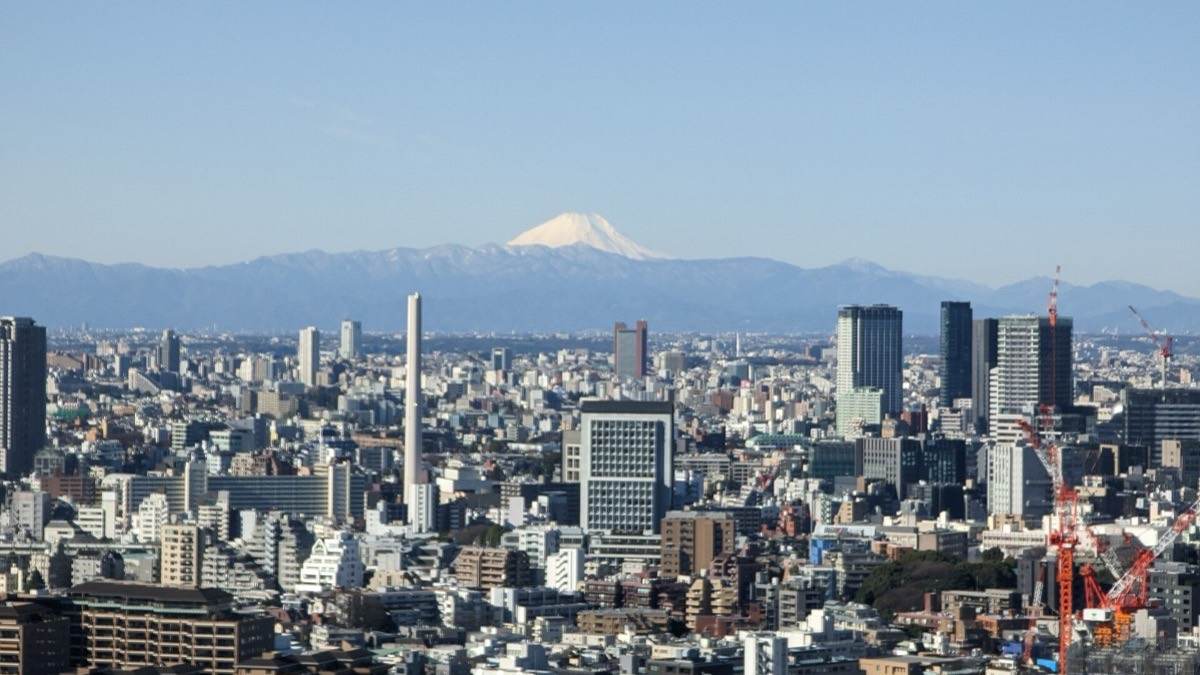
Back in Tokyo, the red brick Tokyo Station building is where most trips begin, and I would head up the Tokyo Metropolitan Government Building for its free observation deck across the city.
8 · Frequently asked questions
9 · Sources
- MotoGP tickets, Japan: tickets.motogp.com/en/21091-japan/, 2027 dates and venue
- Mobility Resort Motegi, access: www.mr-motegi.jp/access_m/, address, gates, Mito bus and roads
- Mobility Resort Motegi, MotoGP access: www.mr-motegi.jp/motogp/access/, GP Express, light rail and parking (2026 round)
- Ringo Light: prices from the catalogue our checkout charges, on the day you read this.
Read next: motogp calendar 2026 · best esim for japan