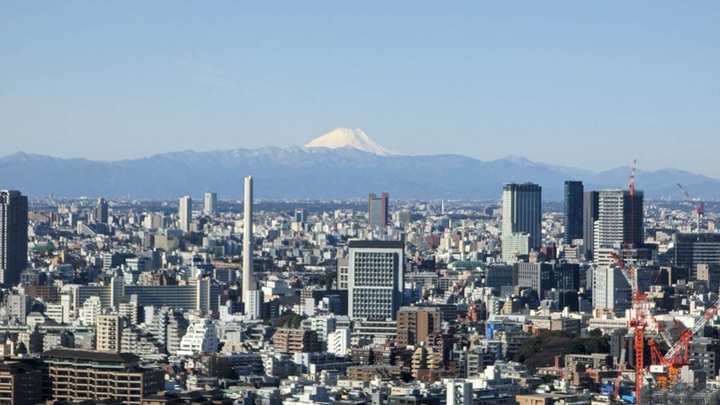
Why Japan
Japan launched its Digital Nomad Visa in March 2024, the first dedicated remote-work pathway in a country that until then required either a tourist stamp or a full-on work visa with sponsorship. The visa runs six months, non-renewable. Short, but six months is enough to spend two months each in Tokyo, Kyoto and Fukuoka and feel like you actually lived in Japan rather than just visited it. The internet is the fastest in the world, the food is the food, and the trains run to the second.
Who it suits. The engineer or designer earning USD/EUR who's wanted to live in Japan for years but couldn't justify a full work-visa relocation. The founder who wants 6 months of focused deep work surrounded by the highest density of late-night cafés on Earth. The cultural-immersion-first traveler who'd rather spend a season in one country than bounce. The Japanese-language learner finally putting the years of textbooks to use.
Who it doesn't. People who need 12+ months in one place: the visa is genuinely non-renewable. People expecting LatAm or SE-Asia prices: Tokyo is comparable to London on rent. And anyone allergic to bureaucracy in Japanese: even with the Digital Nomad Visa, post-arrival logistics involve a lot of pen-and-paper-in-Japanese-only situations.
The visa, in plain English
Japan runs two routes a remote worker can actually use. The Digital Nomad Visa is the new one (March 2024). The Highly Skilled Professional (HSP) visa is the longer-game alternative for high-earners who want years not months.
Digital Nomad Visa (the new headline route)
- Eligibility. Citizen of one of ~50 eligible countries (most of Europe, North America, Australia, NZ, Singapore, South Korea, Taiwan, Israel and UAE). Working remotely for a foreign employer or as a freelancer with foreign clients.
- Income threshold. ¥10,000,000/year (~$67,000 USD) minimum, evidenced by the last 12 months of payslips or business income. Among the higher bars of any nomad visa.
- Length. 6 months from entry. Non-renewable. You must leave Japan and reapply from outside (with a 6-month cool-off in most cases). Different from a residency visa: you do NOT receive a Resident Card or a Japanese address registration.
- Where to apply. At your nearest Japanese embassy or consulate abroad. The application is paper-based at most posts, so book the appointment well ahead. Processing: 4–8 weeks.
- Documents. Passport (valid for the full 6-month stay), Certificate of Eligibility (CoE) issued by Japanese immigration, proof of remote-work agreement or business ownership, 12 months of income proof, private health insurance valid in Japan with at least ¥10M coverage, ¥3,000 visa fee.
- Family. Spouse and dependent children can be added as accompanying visa holders ("Specified Activities: accompanying family of Digital Nomad"). Each requires their own application.
- Tax. Critically, the Digital Nomad Visa does not make you a Japanese tax resident. You remain a non-resident for Japanese tax purposes for the entire 6 months, regardless of days spent. Foreign-source income is not taxed in Japan. This is the unusual and explicit policy choice.
Highly Skilled Professional (HSP) Visa (the longer-game alternative)
- Eligibility. Points-based system covering professionals in IT, finance, research, advanced engineering. Minimum ~70 points across categories of degree, salary, age, experience.
- What it grants. 5-year visa (sometimes longer), fast-track to permanent residency (1 or 3 years vs. the standard 10), spouse can work in Japan, parents and household help can join.
- Why most nomads skip it. The HSP requires a Japanese employer or a registered Japanese company. Most remote-foreign-employer nomads cannot qualify on remote work alone.
Reviewed in May 2026. Visa rules change. Confirm with the official source: mofa.go.jp (Digital Nomad Visa) and moj.go.jp/isa (Immigration Services Agency) before applying. Confirm the country-eligibility list; it has expanded several times since launch.
Cost of living
Tokyo central (Shibuya, Minato, Shinjuku) is comparable to London on rent in 2026. Tokyo non-central (Setagaya, Ota, Sumida) is 30–40% cheaper while staying inside the JR Yamanote loop. Osaka and Fukuoka are both 35–50% cheaper than Tokyo. Kyoto is similar to Tokyo on rent but lower on food / transit. The yen's weakness since 2022 has made everything ~25% cheaper in USD terms than pre-pandemic.
Solo nomad in Tokyo (Shibuya / Shinjuku area), monthly:
- Rent. Furnished 1-room mansion central: ¥220,000–340,000 ($1,500–2,300)
- Groceries (Maruetsu, Tokyu, the konbini stack): ¥45,000–65,000 ($310–450)
- Transit (Pasmo card, no car): ¥10,000–18,000 ($70–125)
- Coworking (WeWork, Mid-tier, hot desk): ¥40,000–60,000 ($280–410)
- Eating out (cheap teishoku lunch + 3 nights nice dinners): ¥45,000–65,000 ($310–450)
- Gym (Anytime, Konami, Tipness): ¥10,000–15,000 ($70–105)
- Entertainment (museums, ramen tour, karaoke, weekend trips): ¥30,000–45,000 ($210–310)
- Total: ~$3,200 USD / month
Swipe to compare →
Healthcare is the visa's tricky bit: as a Digital Nomad Visa holder you are not enrolled in Japanese National Health Insurance. Private insurance with ¥10M+ coverage is mandatory. Cigna Global, IMG Global, GeoBlue, and the World Nomads "Explorer" tier all qualify. Budget $100–180 USD/month for a solo plan. Japanese private hospital care is world-class: Tokyo Medical and Surgical Clinic (TMSC), St. Luke's, and the major university hospitals.
Internet & connectivity
Japan is the connectivity benchmark you compare every other country to. NTT FLET'S Hikari, Sony NURO, KDDI au Hikari push 1 Gbps to 10 Gbps symmetric fiber to most central Tokyo addresses for ¥4,500–6,000/month (~$30–40 USD). Median fixed download nationally hovers around 250 Mbps per the Speedtest Global Index. Mobile 5G blankets Tokyo, Osaka, Kyoto, Fukuoka, Nagoya, Sapporo and most Shinkansen corridors. NTT Docomo, SoftBank, KDDI au and Rakuten all run premium 5G networks; signal is reliable even on the Shinkansen at 320 km/h.
Café coworking is a real thing in Tokyo's Shibuya, Shimokitazawa, Naka-Meguro, Daikanyama; Kyoto's Karasuma and Gion; and Fukuoka's Tenjin. Doutor, Komeda, Tully's all have reliable Wi-Fi and plug points. But for video calls, coworking is the answer: café Wi-Fi is shared and patchy at peak hours.
The thing nobody tells you about Japan. You'll move every month or two. Tokyo for the energy, Kyoto for the cultural immersion, Fukuoka for the cheaper rent and Korea proximity, a Sapporo winter trip, an Okinawa beach week. Each move tempts you into a new pocket Wi-Fi rental or prepaid SIM. Each new SIM means a new Japanese number. And without a Resident Card (the Digital Nomad Visa explicitly doesn't grant one), even getting a normal post-paid Japanese SIM is functionally impossible.
Ringo's answer for the data is the Japan eSIM at the top of this guide: a prepaid plan, unlimited data at full speed for 3 days, 2 weeks or 30 days, from $9.99, by email in seconds and installed next to the SIM you already have. Your number stays on your own SIM, so calls, SMS and the bank's codes keep landing where they always did; the eSIM only carries the data. Moving on after Japan? The Asia plan (20 countries) and Global (133 countries) run on one eSIM and sit a tap away above the card. The full Ringo service, one plan that works everywhere with your own number ported, is still being built; every plan bought here funds it.
Where to live
- Tokyo. Shibuya / Ebisu / Daikanyama. The Western-expat-favourite belt. Walkable, café-dense, well-connected. ¥220,000–340,000 ($1,500–2,300) for a furnished 1-room. Best for: first-timers who want the postcard Tokyo experience.
- Tokyo. Shinjuku / Shibakōen / Roppongi. Denser, more business-feeling, faster pace. ¥250,000–380,000 ($1,700–2,600). Best for: people who want everything at midnight.
- Tokyo. Shimokitazawa / Naka-Meguro / Kichijōji. The local-feel neighbourhoods 10–20 minutes from central. ¥160,000–250,000 ($1,100–1,700). Best for: people who've been to Shibuya before and want something quieter.
- Kyoto. Higashiyama / Gion / Pontocho. The traditional core. Smaller, machiya townhouses, shrines, food culture that's genuinely older than the country you came from. ¥150,000–250,000 ($1,000–1,700). Best for: cultural-immersion stays.
- Fukuoka. Tenjin / Daimyo / Yakuin. Kyushu's biggest city, half the size of Tokyo, third cheaper. Famous food scene (tonkotsu ramen, motsunabe, mentaiko). ¥110,000–170,000 ($750–1,150). Best for: people who want Japan without Tokyo prices.
Coworking & community
Coworking spaces worth a desk:
- WeWork Tokyo. 20+ buildings across Shibuya, Roppongi, Shinjuku, Ginza. The dependable global option. ¥60,000–90,000/month hot desk.
- Spaces / Regus. Multiple Tokyo, Osaka, Fukuoka locations. Smaller, design-led. ¥45,000–70,000.
- fabbit. Tokyo + Fukuoka. Local Japanese chain, decent fiber, English support patchy. ¥30,000–50,000.
- Impact Hub Kyoto. Kyoto. The community-led startup hub in the old capital. ¥35,000/month.
- The Creative Fukuoka. Fukuoka. Local startup hub in Daimyo. ¥25,000–40,000.
Communities worth joining day one:
- Nomad List Tokyo. Paid, by far the most active community for short-term arrivals.
- Tokyo Meetup hub. Bilingual tech, language exchange, hiking groups. Real groups, real engineers.
- TokyoDev (tokyodev.com). The English-language Japanese tech community: jobs, articles, Slack.
Practical setup
- Banking. The Digital Nomad Visa does not let you open a Japanese bank account in most cases: banks require a Resident Card (which the visa doesn't issue). Plan to run entirely on Revolut and Wise with a Japanese yen sleeve. Cash is still king in many parts of Japan; carry ¥20,000–30,000 always.
- Phone & internet. Pocket Wi-Fi rental at the airport is the default fallback. Pre-paid Japanese SIMs (Sakura Mobile, Mobal) work without a Resident Card and give you a Japanese number for the 6 months. Or put the data on the Ringo Japan eSIM at the top of this guide and keep your own SIM for the number.
- Healthcare. Private international plan is mandatory. Cigna Global, IMG, GeoBlue, William Russell at ¥15,000–25,000/month ($100–180 USD). National Health Insurance is NOT available to Digital Nomad Visa holders.
- Tax residency. The Digital Nomad Visa explicitly carves you out of Japanese tax residency for the full 6 months. Foreign-source income is not taxed in Japan during the visa.
- Accommodation platforms. Long-term Japanese apartments require guarantors and key money (reikin), which is impractical for a 6-month stay. The realistic options: monthly Airbnb, MetroResidences, Hmlet, Oakwood Apartments, and the growing nomad-friendly serviced-apartment ecosystem.
- Transit. Get a Pasmo or Suica contactless card at any major station. Works on every train, subway, bus and most konbini in Japan. The Japan Rail Pass is only worth it if you'll do multiple Shinkansen trips in a few weeks; for slower stays, individual tickets are better value.
Useful links
- mofa.go.jp. Ministry of Foreign Affairs: Digital Nomad Visa page.
- moj.go.jp/isa. Immigration Services Agency (Certificate of Eligibility, all visa categories).
- nta.go.jp/english. National Tax Agency.
- mhlw.go.jp/english. Ministry of Health, Labour and Welfare.
- coworker.com (Japan). Searchable directory.
- nomadlist.com/japan. Costs, ratings, member chat.
- tokyodev.com. English-language Japanese tech community.
The honest downsides
- Six months and out. The visa is genuinely non-renewable. Plan a finite cultural-immersion sprint, not a foundation.
- No Resident Card means no normal life logistics. No domestic bank account, no SIM contract, no rental contract at most realtors, no domestic credit card. Plan to use foreign cards (no Wise, Revolut, US/EU credit cards everywhere) and foreign banking for the full stay.
- Tokyo rents. Comparable to London or Singapore. Furnished 1-room mansions in Shibuya / Roppongi / Minato are ¥250,000+ ($1,700+) USD. Cheaper as you move outside the JR Yamanote loop or to Osaka / Fukuoka.
- Language barrier. English is functional in central Tokyo restaurants and at major coworking, patchy everywhere else. Most government forms, real-estate listings, and small-shop interactions happen in Japanese. Google Translate camera mode is genuinely a survival tool.
- Cash culture. Despite the tech reputation, Japan is still meaningfully cash-based outside the big chains. Carry yen, always.
- Summer heat. Tokyo summers (July–September) are 32°C+ and 70%+ humidity. Cherry-blossom season (late March–early April) and autumn foliage (October–November) are the magic windows.
A 30-day on-arrival checklist
- Day 1–3. Land at Narita or Haneda. Pick up Pasmo / Suica card at the JR ticket counter. Pick up your pocket Wi-Fi or get a Sakura Mobile / Mobal prepaid SIM (or install the Ringo Japan data eSIM before you fly and skip this step).
- Day 3–7. Confirm your 1-month accommodation. Visit your prospective coworking, test the Wi-Fi at peak hours, commit to a 1-month membership.
- Week 2. Open Japan-friendly fintech accounts if you don't have them: Wise lets you hold JPY at the interbank rate; Revolut + an account with Multi-Currency works equally well.
- Week 2. Put the data on an eSIM, not a local prepaid. A Sakura Mobile or Mobal prepaid gives you a Japanese number for six months, and a pocket Wi-Fi is one more thing to charge. The Japan data eSIM at the top of this guide installs in one scan before you fly, needs no Resident Card, and runs next to your own SIM, so your bank, your accountant and your codes keep reaching the number you already have.
- Week 2. Confirm your private health insurance is active and that you have hospital cards / membership IDs printed (essential for any walk-in visit).
- Week 3. Plan your inter-city moves. Tokyo for the first 6–8 weeks gives you the deepest start; Kyoto, Osaka, Fukuoka, Sapporo are 2–4 hour Shinkansen rides away.
- Week 3. Pick a language tutor or a structured Japanese class if you'll be here 6 months. iTalki, Coto Language School, Meguro Language Center are the usual choices.
- Week 4. Find your izakaya, your tonkatsu spot, your favourite station, your weekend onsen. The point of 6 months in Japan isn't the visa. It's the depth of immersion the time allows.