1 · The short answer
Gion Matsuri, the festival of Yasaka Shrine, fills the whole of July in Kyoto. Its high points are fixed every year: the Yamaboko Junko processions of tall wooden floats on 17 July and 24 July, and the Yoiyama evenings before each, 14 to 16 and 21 to 23 July, when the floats stand lit in the streets of central Kyoto.
Those evenings are among the most crowded of the Japanese summer. Shijo and Karasuma streets close to traffic, tens of thousands of people walk between the floats, and mobile data slows. Download maps offline, carry water and set a meeting point.
Ringo Light covers the whole of Japan on one eSIM with unlimited data at full speed. It arrives by email, installs in one scan and needs no app.
Dates: Gion Matsuri runs through July. Yamaboko Junko float processions on 17 July (Saki Matsuri) and 24 July (Ato Matsuri) 2027; Yoiyama evenings 14 to 16 and 21 to 23 July. Organiser's page
Ringo Light's Japan plan covers the whole of Japan: unlimited data at full speed, 2 weeks for $26.99 or 30 days for $50.99, nothing renews. The plan is at ringoesim.com/japan, and every brand's price for Tokyo is compared on one day in Best eSIM for Tokyo.
Get Ringo Light for Kyoto, from $26.99.
Installed once, next to your own SIM. Your eSIM arrives by email in seconds.
We sell data eSIMs for now to fund the full Ringo service. Ringo is self funded. Every plan bought here pays for the build of one plan that works everywhere.
2 · What happens
The festival dates back over a thousand years to rites against epidemics. Each neighbourhood in the old merchant district maintains its own float, either a towering hoko or a smaller yama, hung with antique tapestries. During Yoiyama the floats are displayed in their streets, some can be boarded, and families open their townhouses to show heirlooms. On procession days the floats are pulled through the city, with the famous turns at street corners done by hand.
This is a Shinto festival. On 17 July in the evening the portable shrines of Yasaka Shrine are carried out in the Shinkosai procession. Watch from the side, keep out of the bearers' path and follow the stewards.
3 · Crowds and mobile signal
The pedestrian zone around Shijo Karasuma on Yoiyama evenings, and the procession route on 17 July, are packed for hours. Thousands of phones share the same cells; calls and messages work, but maps can lag and video uploads stall. Save the float map and your hotel address offline, and post photos later.
July in Kyoto is hot and humid. A phone running maps and camera in the sun drains quickly, so carry a power bank.
4 · Getting there and getting around
- ✓From the airport: From Kansai Airport, the Haruka express runs to Kyoto Station. From Tokyo, the Shinkansen takes a little over two hours.
- ✓Trains: The Karasuma subway line (Shijo station), the Hankyu line (Karasuma and Kyoto Kawaramachi) and the Keihan line (Gion Shijo) all serve the festival area. Expect exits to be crowded and some to be closed.
- ✓Buses and taxis: City buses are slow and full on festival days because of road closures. Taxis and the GO app work, but not inside the closed streets.
- ✓Seats: Paid seats along the procession route are sold each year through the city's tourism association. Otherwise, arrive early on Oike or Kawaramachi streets.
5 · Apps and payments
- ✓Suica or ICOCA: Japanese transit cards in your phone's wallet pay for trains, buses and convenience stores.
- ✓Google Maps: Reliable for train times in Kyoto; download the city offline before Yoiyama.
- ✓GO: Japan's main taxi app, useful away from the closed festival zone.
- ✓Cash: Street food stalls during Yoiyama are mostly cash.
6 · Which plan covers the trip
The Ringo Light plan for Japan covers Kyoto, Osaka, Tokyo and everywhere else on one eSIM with unlimited data at full speed. If Japan is part of a longer trip through Asia, the Global plan covers the countries on your route.
7 · Around the festival
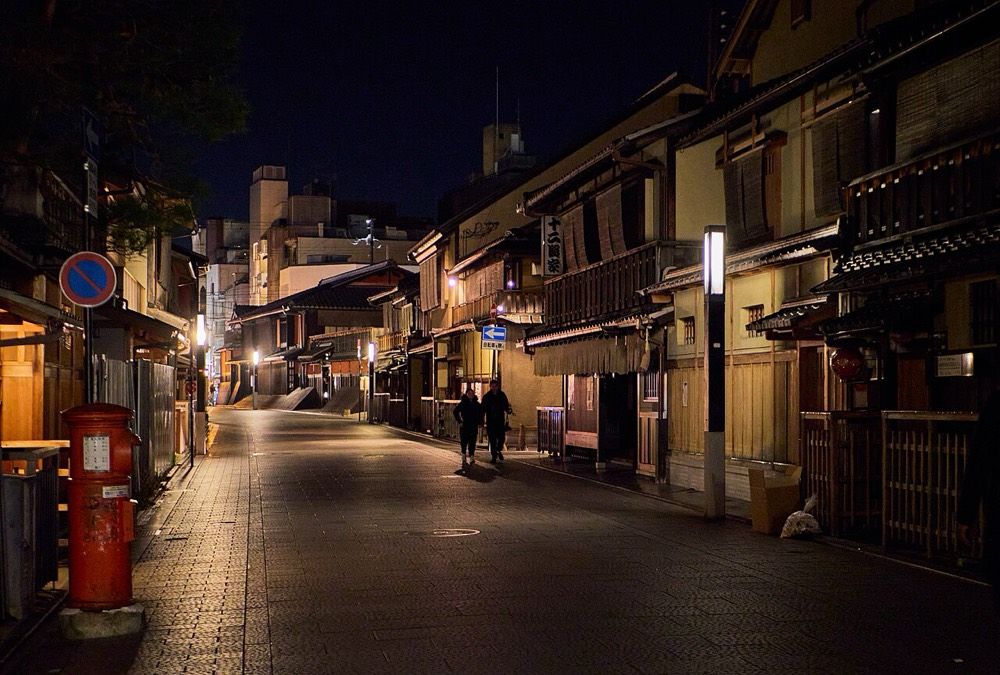
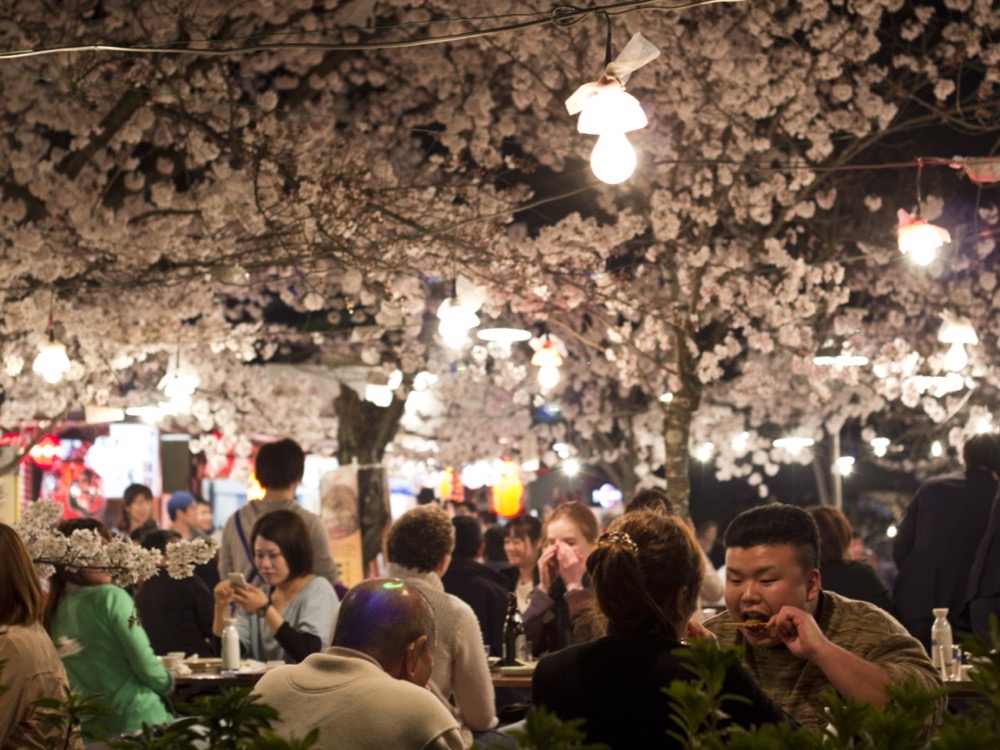
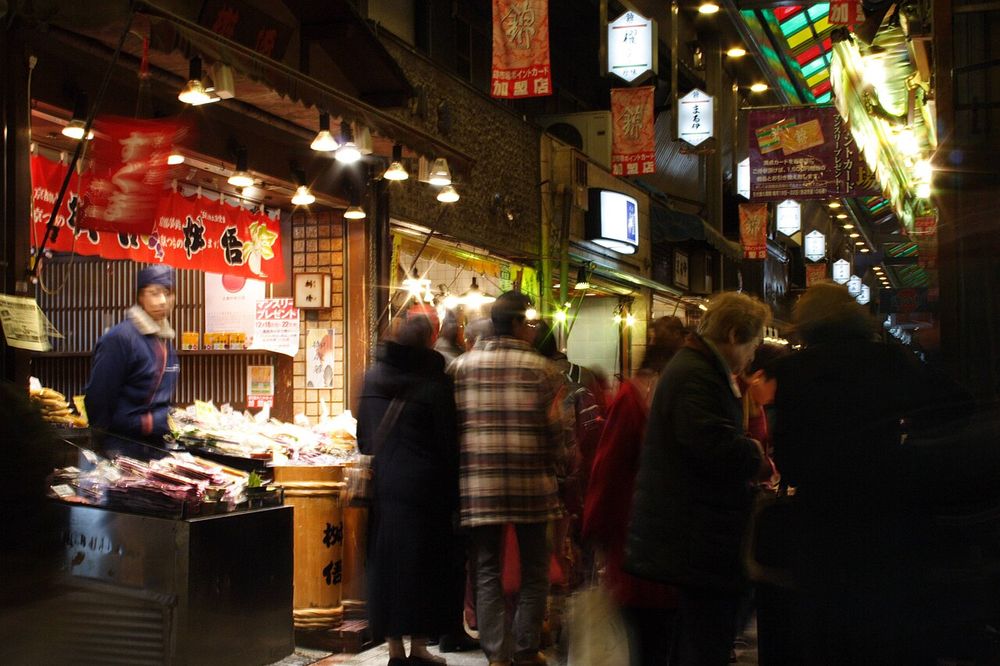
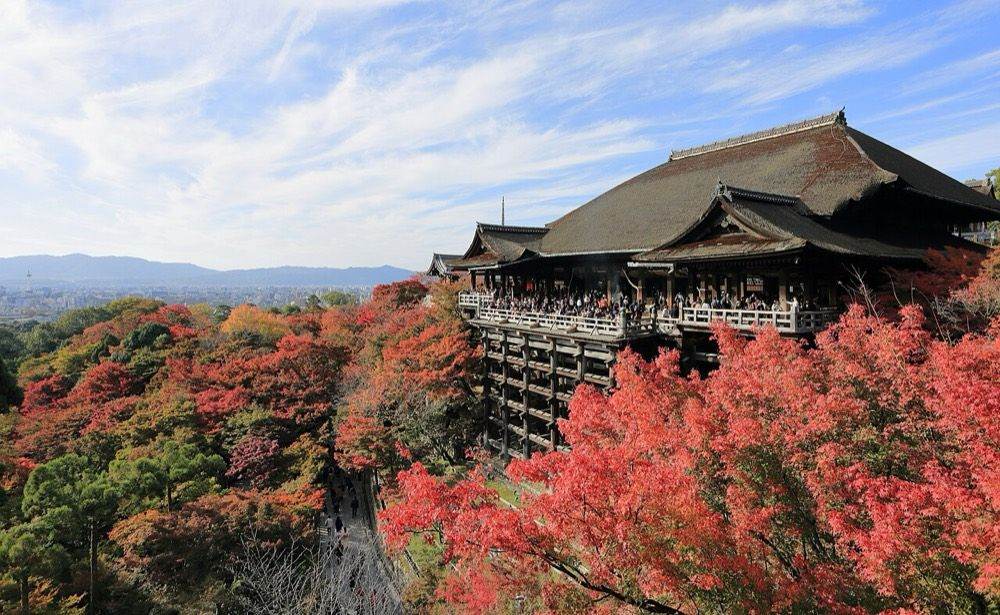
Places close to the procession route worth fitting around the festival.
8 · Frequently asked questions
9 · Sources
- Kyoto City Official Travel Guide: Gion Matsuri: ja.kyoto.travel/event/major/gion/
- Kyoto City Official Travel Guide (English): kyoto.travel/en/
- Ringo Light: prices from the catalogue our checkout charges, on the day you read this.
Read next: best esim for japan · best esim for kyoto