

The short answer
Every travel eSIM sells Sydney as part of its Australia plan, with no separate Sydney version. We took the figures for the six that get most of the traffic, priced on one day, and looked at what a phone has to do between the airport, the train, the harbour ferries and a day in the mountains.
Unlimited data at full speed for 2 weeks at $23.99 or 30 days at $35.99, nothing renews. Airalo asks $45 for 15 days and $66.50 for the month.
10 GB for 30 days at $15 and 20 GB at $24, on Optus and Telstra with 5G.
Days, not gigabytes: $27.50 for a week, $51.50 for 15 days and $76.50 for a month; sharing limited to 1 GB a day.
60 GB at full speed for 30 days at $65, then 2 Mbps. On Optus.
Prices read on 25 October 2026: Airalo, Holafly, Saily, Nomad, Ubigi on their own sites or listings, Ringo Light from its catalogue. All in US dollars unless stated. Treat every number as a snapshot.
See the full price index for every country.
The prices, charted
US dollars, 25 October 2026. The rivals sell 15 days, Ringo Light 2 weeks. Ubigi's 15 days is 30 GB at full speed, then 2 Mbps.
The 30-day plan at each brand. Nomad sells no 30-day unlimited.
Holafly sells no buckets. Ringo Light sells no bucket either: its 2 weeks is unlimited, so it lasts 2 weeks, not 30 days.
Side by side
Swipe to compare →
Get Ringo Light for Sydney, from $23.99.
Installed once, next to your own SIM. Your eSIM arrives by email in seconds.
- 2 weeks $23.99
- 30 days $35.99
We sell data eSIMs for now to fund the full Ringo service. Ringo is self funded. Every plan bought here pays for the build of one plan that works everywhere.
Want to keep your own number abroad?
That is the full Ringo service: one plan that works everywhere, with your own number included.
It is a separate product from Ringo Light and it is still being built, so it is not on sale yet. Join the waitlist to hear when it opens.
What to do in Sydney, and what your phone does for you there
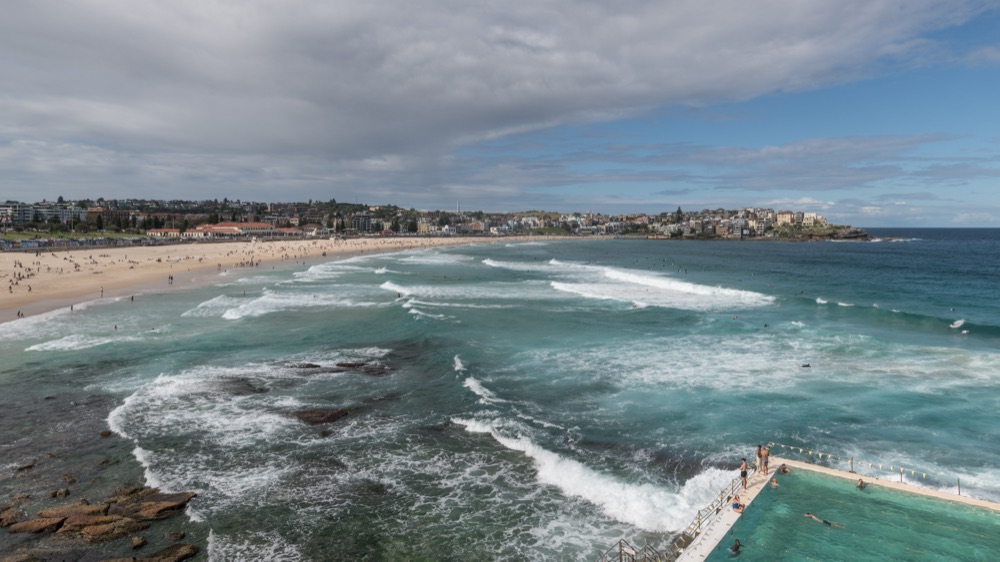
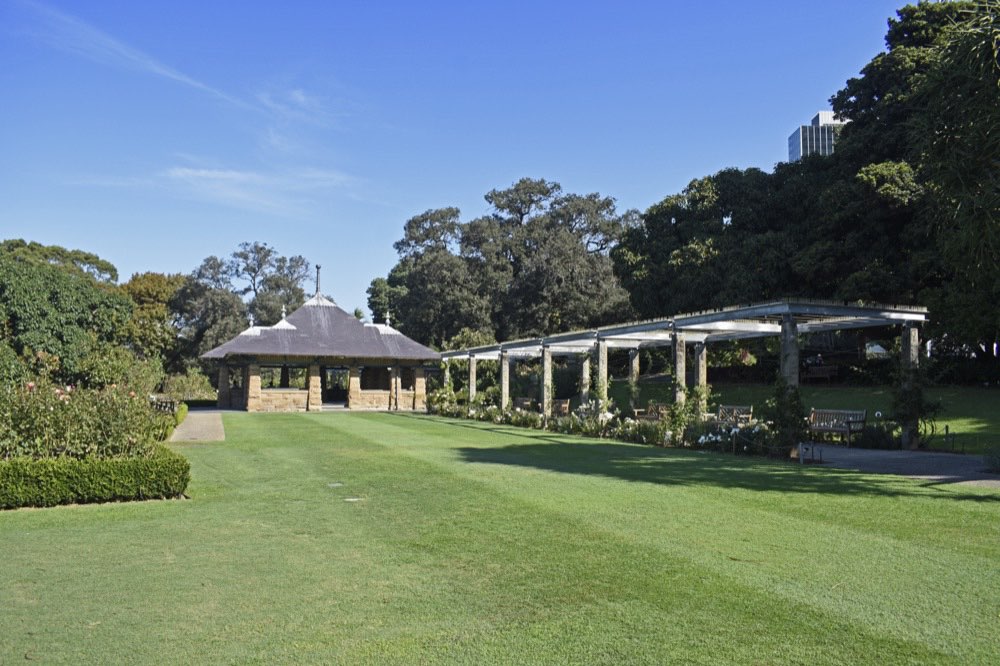
Six places for a first visit to Sydney, from the harbour to the mountains. The city centre and the beaches have strong 4G and 5G, and signal thins out only on the long walks and in the valleys.
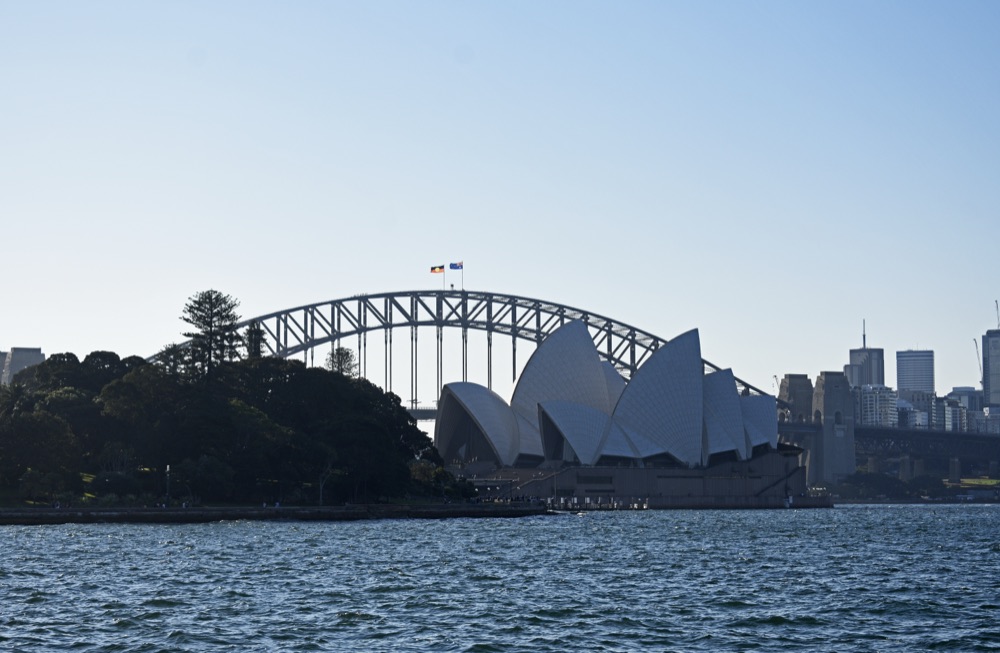
Getting online at Kingsford Smith airport
Sydney Airport, SYD, is named Kingsford Smith and sits about 8 km south of the centre. International flights use Terminal 1, and domestic flights use the other two terminals. Switch your eSIM on as the plane lands and the data should connect while you queue for the border.
The Airport Link train runs from the international and domestic terminals to Central and on through the city centre, and a ticket from the airport carries a station access fee, so check the current fare before you buy. Taxis and rideshares wait outside each terminal, and your phone shows the pickup point.
Opal, and tapping on with a card
Trains, buses, light rail and ferries in Sydney all run on the Opal system. You can tap on and off with a contactless bank card or a phone wallet, which suits a short visit, and a physical Opal card is sold at newsagents and convenience stores if you prefer one. Daily and weekly spending caps apply, so check the current figures on the Opal site.
Use the same card or device to tap on and off, since a different one counts as a new journey. Journey planners such as Transport NSW or Google Maps show live departures and use your data all day.
Ferries and signal on the harbour
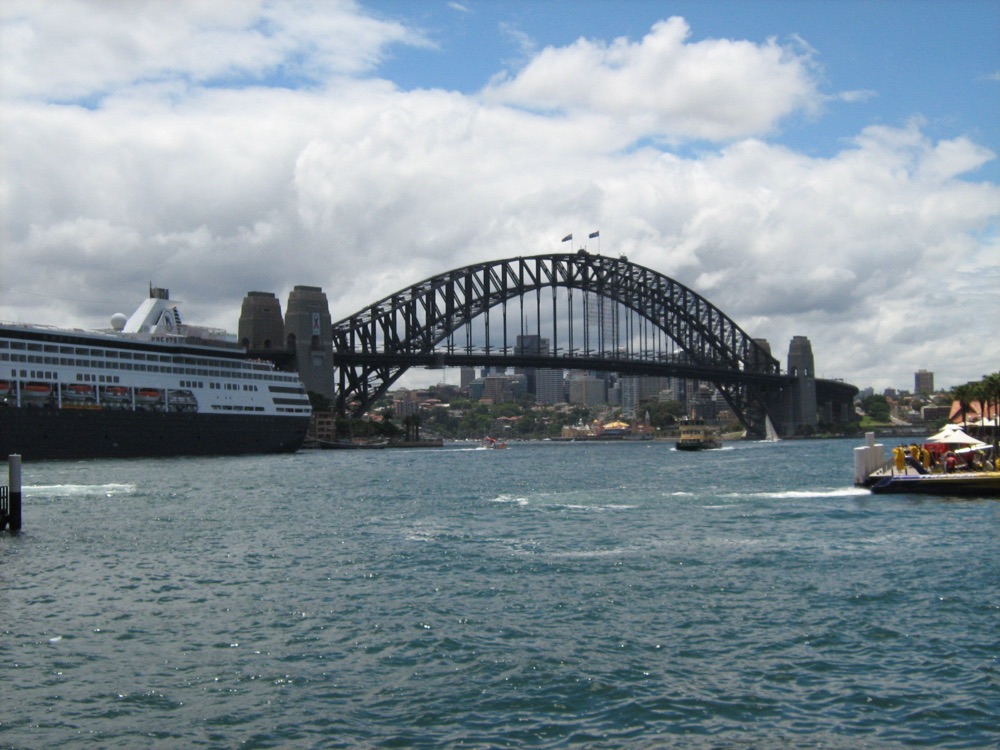
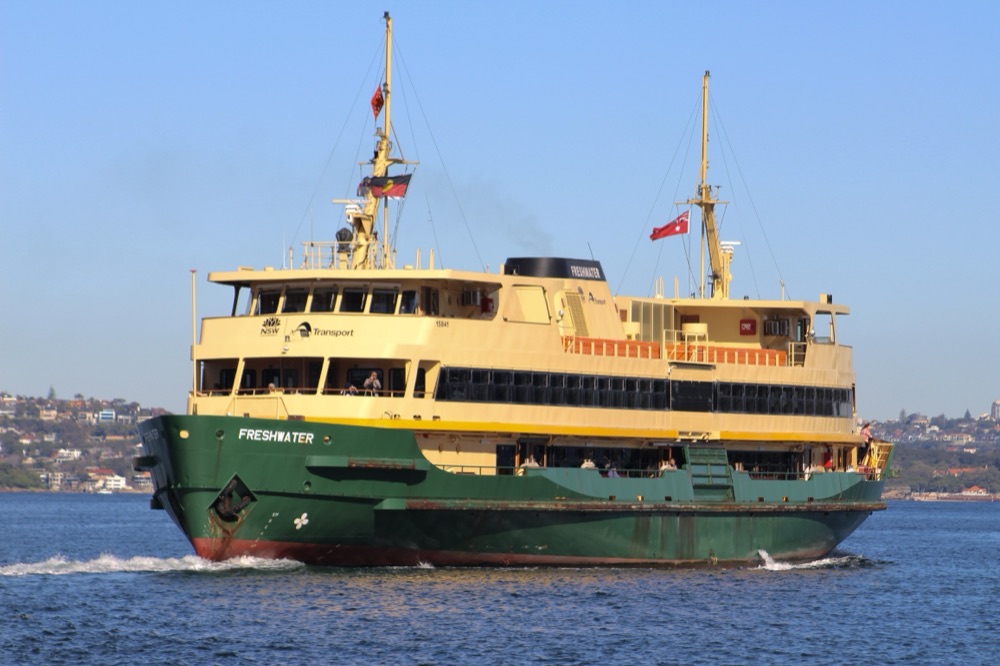
Sydney is best seen from the water, and the ferries from Circular Quay run to Manly, Taronga Zoo, Watsons Bay and other wharves around the harbour. Mobile coverage is good across the harbour and along the shore, so a map or a message keeps working on board.
Most of the city is covered by the main networks on 4G and 5G. Expect the odd weak spot in deep inner-city shadows and in a few national park valleys, and check your plan before you rely on any one spot.
The Blue Mountains day trip
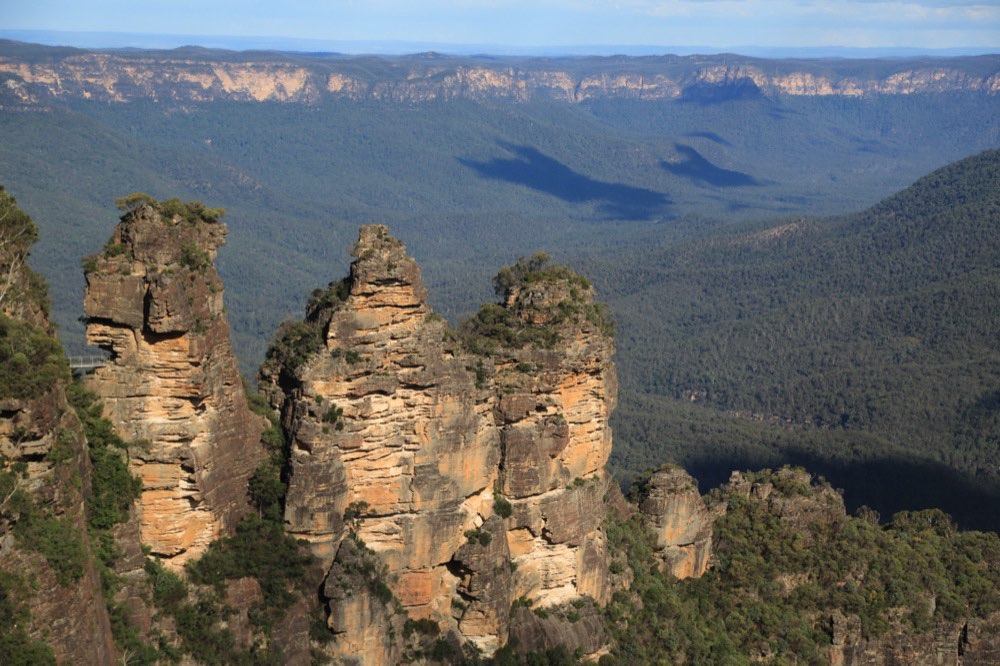
Trains to Katoomba leave Central and take around two hours, and the Three Sisters lookout at Echo Point is a short walk from the station area. Signal is good in the town and at the main lookouts, but it thins on the long bushwalks down into the valleys.
Download an offline map of the walking tracks and save your return train time before you set off, then check the coverage map of your plan for anywhere remote.
Which plan fits a Sydney trip
A long weekend: Airalo sells 3 days of unlimited at $11.50, Nomad at $11 and Holafly at $11.90. Ringo Light sells no 3-day plan, so for two or three nights one of those is the better buy.
A week: Nomad sells 7 days at $25, Saily $26.99, Airalo $26.50 and Holafly $27.50, and Ubigi sells 20 GB for 7 days at $22 before it slows to 2 Mbps. Ringo Light has no 7-day plan, but its 2 weeks of unlimited data costs $23.99, which is less than the Nomad, Saily, Airalo and Holafly weeks. You just have days left over.
Two weeks or a month: Ringo Light 2 weeks at $23.99 or 30 days at $35.99, both covering Sydney and the rest of Australia, with nothing to change if you fly on to Melbourne or Cairns.
What Ringo Light is
Ringo Light is our own data eSIM, sold to fund the full Ringo. For Australia, Sydney included, it sells two trips, both unlimited data at full speed: 2 weeks at $23.99 and 30 days at $35.99. Nothing renews, and the trip ends when its days run out. The eSIM arrives by email and installs in one scan, no app.
If a fixed amount of data is enough for maps and messages, Nomad sells 10 GB for 30 days at $15, and Ringo Light sells no buckets. The card to buy it is further up this page, just after the side-by-side table.
Pick by trip
Nomad unlimited, 3 days, $11. Ringo Light sells no 3-day plan.
Ringo Light unlimited, 2 weeks, $23.99, less than a 7-day plan at Nomad ($25), Saily ($26.99), Airalo ($26.50) or Holafly ($27.50).
Ringo Light 2 weeks at $23.99 covers all of Australia.
Ringo Light unlimited, 30 days, $35.99.
Nomad 10 GB for 30 days at $15.
Frequently asked questions
How we compared, and our sources
Airalo, Holafly, Saily, Nomad, Ubigi, Ringo Light
We priced Airalo, Holafly, Saily, Nomad, Ubigi and Ringo Light for Sydney on 25 October 2026, all on the same day, in US dollars. Each rival's price comes from its own website where it showed dollars, otherwise from an esimdb.com listing, and every source and its date is listed below. Ringo Light's prices come from the catalogue our checkout charges.
We compare the trips people actually book: a week, two weeks and a month of unlimited data, and a 10 GB bucket. We read each brand's fair use and speed rules and quote them as the brands state them. We did not run speed tests, so this page makes no speed claims for any brand.
Ringo Light is our own product. We put it in the table on the same terms as everyone else, and where a rival is the better buy the page says so.
Left out: Maya Mobile. We could not read its own prices for this country on the day, so it stays out rather than being guessed.
- Airalo: www.airalo.com/australia-esim?currency=USD, unlimited read on the site in dollars, 25 October 2026; buckets (10 GB $18, 20 GB $30) from the esimdb listing dated 4 October 2026
- Holafly: esim.holafly.com/esim-australia/, dollar prices read on its own page, 25 October 2026
- Saily: saily.com/esim-australia/, prices in dollars on saily.com, read 25 October 2026
- Nomad: www.nomadesim.com/australia-esim, dollar prices and networks read from the page data, 25 October 2026 (the page shows euros)
- Ubigi: cellulardata.ubigi.com/rates-and-coverage/australia-data-plans/australia-10gb-30-days/?wmc-currency=USD, 10 GB $16 read on its own page, 25 October 2026; the other plans (25 GB $32, unlimited 7 days $22, 15 days $42, 30 days $65) from the esimdb listing dated 4 October 2026
- Ringo Light: our own catalogue, the prices the checkout charges on 25 October 2026.
Written and priced by the Ringo team. Prices change often; if you spot one that has moved, tell us through the contact page and we will update the table.