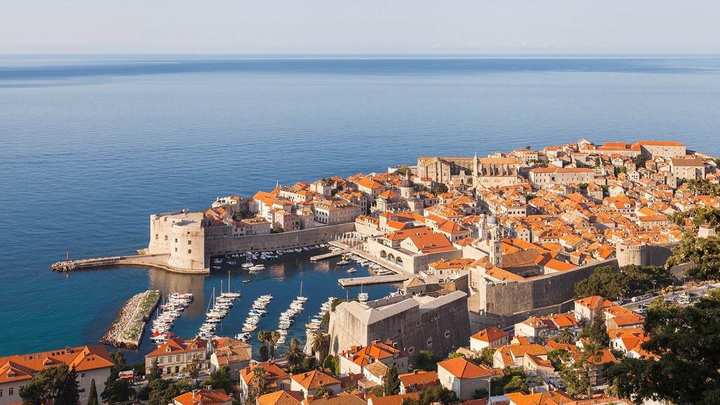
Why Croatia
Croatia is the Adriatic outlier on the European nomad map. The Digital Nomad Permit (Boravak za digitalne nomade), introduced in January 2021, gives non-EU remote workers up to a year of residence with zero Croatian income tax on foreign earnings. Since January 2023 the country runs on the euro and sits inside Schengen, so the rotation that used to involve a passport stamp at every Slovenian border now feels like moving between neighborhoods.
Who it suits. The engineer who wants Mediterranean coastline at half the Italian price. The freelance designer rotating Split summers and Zagreb winters. The couple looking for a year inside Schengen without the Spanish or Portuguese paperwork. The family who wants safe walkable cities, low traffic, and an emergency-room standard close to Germany's.
Who it doesn't. People who need to be in the same city for a year: the Permit is built around the 12-month maximum and explicitly non-renewable on the same passport. People who want a thick year-round nomad community: Split is intense June–August and quiet the rest of the year. And people allergic to bureaucracy in Croatian: most forms exist in English now, but the MUP front-desk experience still rewards a friend who speaks Croatian.
The visa, in plain English
Croatia runs one purpose-built route for remote workers and a couple of EU-Schengen fallbacks. The headline route is the Digital Nomad Permit; almost everyone uses it.
Digital Nomad Permit (boravak za digitalne nomade)
- Eligibility. Non-EU/EEA national, working remotely for a non-Croatian employer or as a freelancer with non-Croatian clients. Croatian-source income is not allowed under this permit.
- Income threshold. Approximately €2,870/month (or €34,440/year in savings) for a single applicant in 2026, indexed to ~2.5× the Croatian average net salary. Add roughly 10% per dependant.
- Length. Up to 12 months. Critically, the permit is non-renewable: once the 12 months end you must spend at least 6 months outside Croatia before you can reapply. Many nomads time the year as a Spring-to-Spring stretch (April to March) to maximise the warm season.
- Where to apply. Two paths. (a) From abroad at a Croatian embassy or consulate, usually 3–8 weeks. (b) From inside Croatia while on a tourist stamp at any MUP (Ministry of the Interior) office, often 30–45 days. The in-country route is what most nomads use.
- Documents. Passport, criminal background check (apostilled, from your home country + anywhere you've lived 12+ months), proof of remote-employment contract or client roster, bank statements showing the income threshold, proof of Croatian accommodation, valid health insurance, and the €60 administrative fee.
- Family. Spouse / registered partner and dependent children can be added on the same application. Each dependent adds the ~10% income uplift and their own document set.
- Tax. The whole point: foreign-source income is not subject to Croatian income tax while you hold the permit. You may still owe tax in your home country. The 183-day Croatian tax-residency rule does not flip you into Croatian tax on foreign income during the permit window.
Other practical routes
- Schengen 90/180. If 3 months is enough, simply enter visa-free on most Western passports. Pair with a Bosnian or Serbian weekend reset.
- Temporary stay for self-employment / business. The long route. Opens a path to permanent residency after 5 years. Used by people who plan to genuinely settle, not nomad.
Reviewed in May 2026. Visa rules change. Confirm with the official source: mup.gov.hr (Digital Nomad Permit) and your nearest Croatian embassy via the consular network before applying.
Cost of living
Croatia is the cheapest Eurozone coast left in the EU. Split rents have jumped hard since 2022: a central 1BR in Varoš or Manuš during May–September is now within 20% of Lisbon. The same flat October–April rents at 35–55% off. Zagreb is steady year-round and a third cheaper than Split in peak season.
Solo nomad in Split (off-peak), monthly:
- Rent. 1BR central (Varoš, Manuš, Lučac): €700–1,100
- Groceries (Konzum, Tommy, the local market): €220–290
- Transit (bus monthly + occasional taxi, no car): €35–60
- Coworking (Saltwater, Amosfera, hot desk): €140–220
- Eating out (konoba lunch + 3 nights out): €250–360
- Gym (Fitness Klub, Sport Manuš): €30–55
- Entertainment (ferries, Diocletian's nightlife, weekend islands): €140–220
- Total: ~€1,550 / $1,700 USD / month
Swipe to compare →
Healthcare via private insurance for a solo nomad runs €35–70/month with a Croatia Osiguranje, Allianz Hrvatska or Generali plan. Public HZZO access kicks in once you contribute via the temporary stay, but most nomads on the digital-nomad permit stay private for speed. The big Split (KBC Split) and Zagreb (Rebro, Sveti Duh) hospitals are EU-quality.
Internet & connectivity
Croatia is one of the better-connected coasts in the EU. Hrvatski Telekom, A1 Hrvatska and Telemach all push 1 Gbps symmetric fiber to most central Split, Zagreb, Dubrovnik and Zadar addresses for €30–45/month. Median fixed download nationally sits around 130 Mbps per the Speedtest Global Index. Mobile 5G blankets the Dalmatian coast cities, the Istrian peninsula, Zagreb and most of the A1 / A6 / A7 motorway corridors. The smaller islands (Vis, Lastovo, Mljet) thin to 4G+ but everything still works for video calls.
Cafés are a real coworking surface in central Split (Slavija, D16, Kavana Park) and in Zagreb (Eli's, Cogito, Quahwa). Plug points are common, Wi-Fi is fast, and the espresso culture means staying for two hours over a 2-euro coffee is socially fine.
The thing nobody tells you about a Croatia year. You will move. Split for summer, Zagreb when the tourists arrive, Hvar for August because the rents in Split are insane, then back to Split for a quiet November, Dubrovnik for Christmas. Each move tempts you into a Hrvatski Telekom or A1 prepaid SIM, which means a new local number. Which means your bank's 2FA code lives on a SIM in a drawer in Stari Grad while you're catching the catamaran to Korčula.
Ringo's answer for the data is the Croatia eSIM at the top of this guide: a prepaid plan, unlimited data at full speed for 7 days, 2 weeks, 30 days or 90 days, from $5.99, by email in seconds and installed next to the SIM you already have. Your number stays on your own SIM, so calls, SMS and the bank's codes keep landing where they always did; the eSIM only carries the data. Moving on after Croatia? The Balkans plan (7 countries), the Europe plan (33 countries), the Europe Power Use plan (33 countries) and Global (133 countries) run on one eSIM and sit a tap away above the card. The full Ringo service, one plan that works everywhere with your own number ported, is still being built; every plan bought here funds it.
Where to live
- Split. Varoš / Lučac / Manuš. The walkable old-town belt. Stone buildings, narrow streets, Diocletian's Palace within 5 minutes. €700–1,200 for a 1BR off-peak, €1,200–2,000 June–September. Best for: first-timers who want the cinematic Croatia experience.
- Split. Žnjan / Trstenik. A 20-minute walk east of the old town. Newer, quieter, beach-close (€550–900). Best for: longer stays and anyone who wants morning sea swims year-round.
- Zagreb. Centar / Donji Grad. Austro-Hungarian boulevards, Habsburg architecture, café-dense. Year-round mid-tier rents (€700–1,000) and a real city scene that doesn't shut down for winter. Best for: people who want a year of urban density and weekend trips to the coast.
- Zadar. Smaller than Split, walkable old town on a peninsula, famous Sea Organ. €600–900 for a central 1BR. Best for: quiet 3–6 month stretches with island access.
- Pula / Rovinj (Istria). The Italian-feel northern coast. Pula is cheaper than Rovinj; both have ferry / bus access to Trieste and Venice. €700–1,100 for a 1BR. Best for: nomads who want Adriatic + Italian-flavoured food + a 2-hour hop to Slovenia.
Coworking & community
Coworking spaces worth a desk:
- Saltwater Workspace. Split. Beachfront, sea-air light, the unofficial summer HQ for the Adriatic nomad scene. €180/month hot desk.
- Amosfera. Split. Quieter, design-led, in the new harbour district. €150/month.
- Impact Hub Zagreb. Zagreb. Long-running startup hub on the edge of Centar. €170/month hot desk.
- WESPA Spaces. Zagreb. Several locations, dependable mid-tier with strong fiber. €160–200/month.
- Regus / Spaces. Corporate-feeling but present in Zagreb, Split, Rijeka. €180–240.
Communities worth joining day one:
- Nomad List Split / Zagreb. Paid, most active for short-term arrivals.
- Zagreb Tech Meetup. Weekly events, real engineers, free.
- Digital Nomads Croatia on Facebook (25k+). The permit-question firehose, plus housing leads in Split.
Practical setup
- Banking. Most nomads start with Revolut or Wise (both with EUR IBANs). For a local account once you have an OIB, PBZ (Privredna banka Zagreb, Intesa group) and Zagrebačka banka (UniCredit) are the foreigner-friendly defaults.
- OIB (tax ID). The first paperwork you'll need. Required for utilities, rentals, phone contracts. Apply at any Porezna uprava (Tax Administration) office with your passport. Free, takes 30 minutes.
- Healthcare. Private insurance (€35–70/mo at Croatia Osiguranje or Allianz) until you contribute to HZZO. KBC Split / Sveti Duh / Rebro are the major hospitals.
- Tax residency. The 183-day rule applies in general, but the Digital Nomad Permit explicitly carves out foreign-source income from Croatian tax during the permit. Confirm with a local accountant if you plan to invoice Croatian clients (you can't, on this permit).
- Accommodation platforms. Njuškalo for long-term locals (Croatian-only but Google Translate works fine). Flatio and Spotahome for 1–6 month furnished. Direct Facebook Marketplace listings in Split and Zagreb often beat the platforms for off-season rents.
Useful links
- mup.gov.hr. Ministry of the Interior's Digital Nomad Permit page (the official source).
- mvep.gov.hr. Ministry of Foreign Affairs (consular network, embassy appointments).
- porezna-uprava.hr. Croatian Tax Administration (OIB issuance, filings).
- hzzo.hr. Croatian Health Insurance Fund (public health).
- coworker.com (Croatia). Searchable directory with reviews.
- nomadlist.com/croatia. Costs, ratings, member chat.
The honest downsides
- Permit is one-shot. 12 months and out. You must spend 6 months outside Croatia before reapplying. Treat the year as a sprint, not a foundation.
- Summer rents on the coast. Split, Hvar, Dubrovnik triple between October and July. Locking in a year-long lease in October is the move; signing in May means paying high-season every month.
- Bureaucracy in Croatian. Most online forms have English, but the MUP front-desk experience is Croatian-first. A local "uhljeb-savvy" friend or a paid agent (€200–400) saves real time.
- Winter coastal quiet. Split shuts down 60–70% of its restaurants and bars between November and March. Charming for a month, isolating for six. Zagreb is the better winter base.
- Bura wind. The northeasterly that blasts the Dalmatian coast a dozen times a winter genuinely closes ferries and bridges. Plan around it for trips to the islands or to Italy.
A 30-day on-arrival checklist
- Day 1–3. Confirm your accommodation contract and ask the landlord for a copy of the property's ownership document (vlasnički list). You'll need it for the permit application.
- Day 3–7. Apply for your OIB (tax ID) at the local Porezna uprava office. Bring passport + accommodation contract.
- Week 2. File the Digital Nomad Permit application at your local MUP office. Submit all documents, pay the €60 fee, get a stamped confirmation. Decision arrives by post in 30–45 days.
- Week 2. Put the data on an eSIM, not a local prepaid. A Hrvatski Telekom or A1 prepaid comes with a new Croatian number you will outgrow the moment you bounce to Zagreb or Dubrovnik. The Croatia data eSIM at the top of this guide installs in one scan and runs next to your own SIM, so your bank, your accountant and your codes keep reaching the number you already have.
- Week 2. Pick a coworking. The 1-month commitment is your social network for the next year.
- Week 3. Open a local bank account at PBZ or Zagrebačka banka using OIB + permit confirmation. The card arrives in 5–10 days.
- Week 3. Buy private health insurance (Croatia Osiguranje or Allianz). Mandatory document for the permit but you can submit it after initial filing.
- Week 4. Find your konoba, your Saturday market (Pazar in Split, Dolac in Zagreb), your gym, your sea swim spot. The point of the year isn't the permit. It's the life you build inside it.