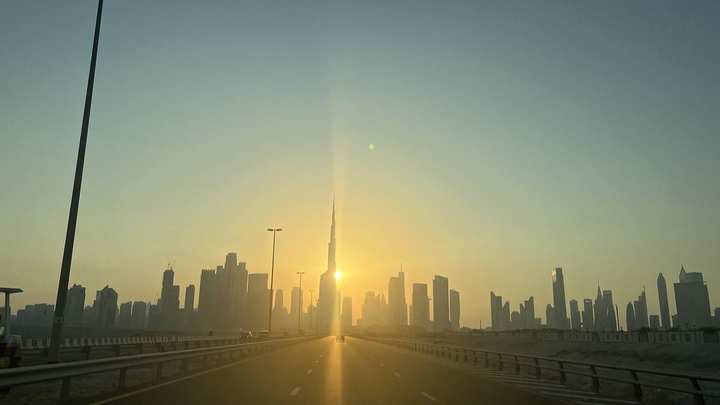
Why the UAE
The UAE, and Dubai in particular, is the nomad country where infrastructure became the differentiator. Zero personal income tax. The fastest 5G rollout on Earth. English fluency on par with Singapore. A passport that lets you transit to Europe, Asia and Africa in under 8 hours. The Virtual Working Programme (launched 2021) lets non-resident remote workers settle for a year on foreign income; the new Green Visa and Golden Visa go longer. Whether Dubai's polished surface fits your life is the real question, but the infrastructure is unambiguous.
Who it suits. The high-earning founder or executive who wants a tax-efficient base with world-class fiber and infrastructure. The crypto / fintech / VC professional whose network already runs through the GCC. The frequent business traveller who needs the world's best airport on their doorstep. The English-first nomad who can't fit a Spanish-language or Russian-language city into their workflow. Couples whose careers benefit from the global business network density.
Who it doesn't. Budget nomads: Dubai is a top-tier global city on cost, comparable to London or Singapore on rent and dining. People who want a walkable, café-dense, year-round outdoor city: Dubai is car-and-mall culture for 6 months of the year because of the heat. And anyone uncomfortable with the legal context: alcohol, public conduct, social media speech, and personal relationships are governed by a different framework than most Western nomads are used to.
The visa, in plain English
The UAE runs three routes a remote worker can use, in roughly increasing commitment. The Virtual Working Programme is the headline nomad route; the Green Visa is the new self-employment 5-year option; the Golden Visa is the 10-year wealth / talent route.
Virtual Working Programme (the headline nomad route)
- Eligibility. Foreign passport holder employed by a foreign company OR owning a foreign business. Not eligible to work for or invoice UAE-registered entities under this programme.
- Income threshold. $3,500 USD/month minimum in 2026, evidenced by the last 6 months of payslips or business income.
- Length. 1 year, renewable annually. Each renewal requires the same income proof.
- Where to apply. Online via the General Directorate of Residency and Foreigners Affairs (GDRFA) Dubai portal, or through a UAE-licensed agent. Some applicants apply from abroad; the in-country (on a tourist stamp) route is more common in 2026.
- Documents. Passport, 6 months of payslips or business income proof, valid health insurance covering the UAE, 1 year of bank statements showing the income threshold, professional photo, ~$600 USD government fee + ~$280 in medical / Emirates ID fees.
- Family. Spouse and dependent children can be sponsored on dependant visas (separate applications). The primary applicant must show additional minimum income per dependant.
- Tax. Zero personal income tax in the UAE. Period. The 9% corporate tax introduced in 2023 applies only to UAE-registered businesses earning above the AED 375,000 (~$102k USD) threshold, not to foreign-employed nomads.
- Banking. The Virtual Working Programme grants you the right to open a UAE bank account, which is genuinely valuable since most banks otherwise require employment with a UAE-registered employer.
Green Visa (5-year self-employment route)
- Eligibility. Freelancers and self-employed people with a recognised foreign professional qualification (bachelor's degree minimum) and annual income of AED 360,000+ (~$98k USD) for the last 2 years.
- What it grants. 5-year residency, self-sponsorship, family sponsorship without local sponsor, 6-month grace period to find work after expiry.
Golden Visa (10-year wealth / talent route)
- Eligibility. Real-estate investors (AED 2M+), entrepreneurs (qualifying business), specialised talents (PhDs, executive salary AED 30k+/month), top students. Various sub-categories.
- What it grants. 10-year renewable residency, self-sponsorship, full family sponsorship, 6-month residency cancellation grace period.
Reviewed in May 2026. Visa rules change. Confirm with the official source: gdrfad.gov.ae (Virtual Working Programme) and u.ae (federal visa portal) before applying.
Cost of living
Dubai is a top-tier global city on costs. Marina, JBR, Downtown one-bedrooms run within 30% of central London. Studio apartments in less central neighbourhoods (Al Barsha, JLT, Dubai South) are 30–50% cheaper. Abu Dhabi is roughly 15–20% cheaper than Dubai for similar quality. Sharjah is the third option for those willing to commute, at about half the price.
Solo nomad in Dubai (Marina / JBR / Downtown), monthly:
- Rent. Furnished studio / 1BR central: AED 6,500–10,000 ($1,770–2,720)
- Groceries (Carrefour, Spinneys): AED 1,400–2,000 ($380–545)
- Transit (Metro + Careem, no car): AED 700–1,200 ($190–325)
- Coworking (WeWork, AstroLabs, Letswork, hot desk): AED 800–1,500 ($220–410)
- Eating out (mid-tier restaurant 4×/week + delivery): AED 1,800–2,800 ($490–760)
- Gym (Fitness First, GymNation, Warehouse): AED 300–500 ($80–135)
- Entertainment (brunches, desert trips, beach clubs, concerts): AED 800–1,500 ($220–410)
- Total: ~$3,500–4,000 USD / month
Swipe to compare →
Healthcare via private insurance is mandatory for residence: the visa won't issue without it. Plans run AED 4,000–14,000/year ($1,100–3,800 USD), depending on the network. Daman, Bupa Arabia, Cigna, Allianz Care all offer plans accepted at Cleveland Clinic Abu Dhabi, Mediclinic, Aster, NMC, American Hospital Dubai. The private system is genuinely world-class.
Internet & connectivity
The UAE has built one of the most-aggressive 5G rollouts on Earth. Etisalat (e&) and du are the two telcos. 1 Gbps symmetric fiber covers most Dubai and Abu Dhabi residential addresses for AED 400–800/month ($110–220 USD). Median fixed download is around 200 Mbps per the Speedtest Global Index, with peak 5G mobile speeds among the highest in the world. Mobile coverage is essentially universal across all 7 emirates.
Café coworking is real in Downtown Dubai, DIFC, Dubai Marina, Al Wasl, and Jumeirah. % Arabica, Common Grounds, Tom & Serg, Brew, RAW Coffee. All have fast Wi-Fi and plug points; the culture is friendly to laptop work outside peak weekend brunch hours.
The thing nobody tells you about a UAE year. You'll travel. Dubai → London weekend, Abu Dhabi → Maldives 4-day, Dubai → India family visit, Sharjah → Oman drive. Each trip tempts you into an Etisalat or du prepaid SIM, which means a new local UAE number. Which means your bank's 2FA code lives on a SIM in a drawer in Dubai while you're in Istanbul.
Ringo's answer for the data is the UAE eSIM at the top of this guide: a prepaid plan, unlimited data at full speed for 7 days, 2 weeks or 30 days, from $17.99, by email in seconds and installed next to the SIM you already have. Your number stays on your own SIM, so calls, SMS and the bank's codes keep landing where they always did; the eSIM only carries the data. Moving on after UAE? The Middle East plan (12 countries) and Global (133 countries) run on one eSIM and sit a tap away above the card. The full Ringo service, one plan that works everywhere with your own number ported, is still being built; every plan bought here funds it.
Where to live
- Dubai. Marina / JBR / Bluewaters. The classic expat ZIP. Beachfront high-rises, walkable promenade, restaurants. AED 7,000–11,000 ($1,900–3,000) for a 1BR. Best for: first-timers and anyone working with European hours.
- Dubai. Downtown / DIFC / Business Bay. The corporate-finance core. Burj Khalifa, Dubai Mall, business-district density. AED 8,000–14,000 ($2,180–3,800) for a 1BR. Best for: financial-services nomads, founders attending events at Emirates Towers.
- Dubai. Jumeirah / Al Wasl / Al Quoz. Lower-rise, villa-feel, more design-and-arts. AED 6,500–10,000 ($1,770–2,720). Best for: second-year residents who've outgrown the Marina tower lifestyle.
- Dubai. JLT / Al Barsha / Dubai Hills. Inland, family-friendly, quieter. AED 5,000–8,500 ($1,360–2,310). Best for: couples and families, longer 12-24 month stays.
- Abu Dhabi. Saadiyat / Al Reem / Corniche. Slower pace than Dubai, beach access, Louvre. AED 5,500–9,000 ($1,500–2,450) for a 1BR. Best for: people who want UAE without Dubai's intensity.
Coworking & community
Coworking spaces worth a desk:
- AstroLabs Dubai. Multiple Dubai locations. Tech-startup focused, business-setup support included. ~AED 1,500/month hot desk.
- WeWork Dubai. Multiple buildings: DIFC, Hub71, JLT, Internet City. ~AED 2,200/month.
- Letswork. Network of café-coworking partnerships across Dubai. ~AED 700/month flexible.
- Servcorp. Premium serviced offices in Emirates Towers, Index Tower. AED 2,000–4,000.
- Nest. Smaller, founder-curated, design-led coworking spaces in Al Quoz. ~AED 1,400/month.
- Regus / Spaces. Every major UAE business district. AED 1,500–2,200/month.
Communities worth joining day one:
- Nomad List Dubai. Paid, the most active community for short-term arrivals.
- Dubai Tech Meetup. Weekly events, real engineers, free.
- Dubai Startup Hub. Government-backed network, especially useful for founders applying for the Green or Golden Visa.
Practical setup
- Banking. The Virtual Working Programme + Emirates ID unlocks UAE banking. Emirates NBD, Mashreq Neo (the fintech), ADCB, HSBC UAE, Standard Chartered UAE are the foreigner-friendly choices. Most accept Visa-holders within 1–3 weeks of opening.
- Emirates ID. Automatically issued once your visa is approved. Required for everything: phone contracts, gym memberships, bank accounts, Salik road-tolls. Carry it always.
- Healthcare. Private insurance is mandatory for the visa. Daman, Bupa Arabia, Allianz Care, Cigna at AED 4,000–14,000/year ($1,100–3,800 USD) gets you access to Mediclinic, Cleveland Clinic Abu Dhabi, American Hospital Dubai.
- Tax. Zero personal income tax. The 9% corporate tax applies only to UAE-registered businesses above AED 375,000 net annual income. Most Virtual Working Programme holders are unaffected.
- Accommodation platforms. Bayut and Property Finder for long-term unfurnished. Dubizzle for off-market listings. Furnished short-term: Hotel apartments (Hyatt House, Adagio, Wyndham), Airbnb monthly. Local landlords typically want 1–4 cheques covering the year upfront.
- Transit. Get a Nol Card at any Metro station. Works on Metro, tram, bus. For drives, the Salik system (RTA toll tags) auto-bills your linked credit card.
Useful links
- gdrfad.gov.ae. GDRFA Dubai: Virtual Working Programme.
- u.ae. Federal UAE government services portal (Green Visa, Golden Visa).
- tax.gov.ae. Federal Tax Authority (corporate tax, VAT; no personal income tax).
- dha.gov.ae. Dubai Health Authority.
- coworker.com (UAE). Searchable directory.
- nomadlist.com/dubai. Costs, ratings, member chat.
The honest downsides
- Summer heat is debilitating. June through September runs 40–48°C with humidity. Outdoor life is functionally impossible. Most residents flee to Europe or East Asia for July–August.
- Cost. Dubai Marina rents and DIFC business costs are comparable to London or Singapore. The "Dubai is cheap" reputation died around 2018. Eat out, live central, hit the gym, and you're north of $3,500 USD/month easily.
- Car culture. Despite the Metro, Dubai is fundamentally a car city. Most nomads end up using Careem / Uber daily, which adds $200–400/month. Owning a car is cheaper if you're staying 6+ months.
- Cultural/legal context. Alcohol consumption requires a permit (auto-granted at hotel bars; tightened in some emirates), public conduct rules, social media speech around the government / royal family, and unmarried-cohabitation rules have softened but still exist. Read the rules; respect them.
- Bureaucracy at the start. The Virtual Working Programme application requires 6+ documents, an in-person medical, biometrics, Emirates ID issuance. Plan for 2–4 weeks of process. Many nomads use a paid agent (~$300–800) to compress the timeline.
A 30-day on-arrival checklist
- Day 1–3. Land at DXB or AUH. Pick up your Nol Card at the Metro arrivals. Lock in your first month's accommodation (Hyatt House Dubai, Hotel apartments, or monthly Airbnb is fine while you scout).
- Day 3–7. Submit your Virtual Working Programme application via the GDRFA Dubai portal (or via an agent). Pay the government fee.
- Week 2. Complete the in-person medical screening at a DHA centre (mandatory blood test, chest X-ray). Submit biometrics at GDRFA. The Emirates ID is mailed 1–3 weeks later.
- Week 2. Put the data on an eSIM, not a local prepaid. An Etisalat or du prepaid comes with a new UAE number you will outgrow the moment you fly to Istanbul or London for the weekend. The UAE data eSIM at the top of this guide installs in one scan and runs next to your own SIM, so your bank, your accountant and your codes keep reaching the number you already have.
- Week 2. Pick a coworking. The 1-month commitment is your social network for the next year.
- Week 3. Buy private health insurance (Daman, Bupa Arabia, Allianz Care). Mandatory for visa approval; submit proof during the visa application.
- Week 3. Once Emirates ID arrives, open a UAE bank account at Emirates NBD or Mashreq Neo. Get the debit card.
- Week 4. Find your shawarma spot, your beach club, your Saturday brunch, your weekend desert drive route. The point of the year isn't the visa. It's the life you build inside it.