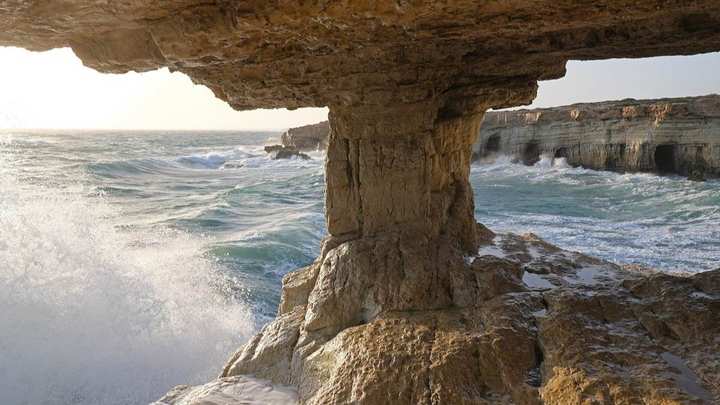
Why Cyprus
Cyprus is the Eastern-Mediterranean EU country with one of the warmest year-round climates in Europe: Limassol stays above 15°C in January. The Digital Nomad Visa (open since 2022) gives non-EU remote workers 1 year of legal residence, renewable to 2 total. The non-dom tax regime (17 years of preferential treatment) is one of Europe's strongest. English is widely spoken. Cyprus was a British colony until 1960, and English remains lingua-franca in business and tourism. Schengen-bound (full Schengen membership is in process at policy level).
Who it suits. The high-earner who wants the non-dom tax regime. The remote engineer / finance professional with a UK-aligned style. The couple looking for a year of Mediterranean sun with English as the working language. The fintech / crypto founder: Cyprus is the EU's most fintech-friendly jurisdiction.
Who it doesn't. People who need EU rail / Schengen access for casual weekends. Cyprus is an island, so every onward trip is a flight. People needing scale, since the island is small (1.2M population). And people allergic to the tourism-economy reality: parts of the south coast empty out heavily in winter.
The visa, in plain English
Cyprus runs two routes for remote workers. The Digital Nomad Visa is the headline route. The Permanent Residence Programme (Category F) is the longer-term passive-income route.
Digital Nomad Visa (the headline route)
- Eligibility. Non-EU/EEA national working remotely for an employer or clients outside Cyprus. Cannot work for or invoice Cyprus-registered entities.
- Income threshold. €3,500/month net (~$3,800 USD), or €42,000/year. Documented across 6 months of bank statements. +20% for a spouse, +15% per child.
- Length. 1 year initial, renewable for 2 more years (3 total). After 7 years of legal residence you become eligible for Cypriot citizenship.
- Where to apply. At the Cyprus Civil Registry and Migration Department in Nicosia (or via Migration's regional offices in Limassol / Paphos / Larnaca). In-country application from a tourist stamp is common.
- Documents. Passport, employment contract or freelance evidence, bank statements showing income, criminal background check, valid Cypriot health insurance, accommodation proof, €70 application fee.
- Non-dom regime. The headline incentive. New Cyprus tax residents qualify for "non-domiciled" status for 17 years: foreign dividend, interest, and most foreign-source income is exempt from the special-contribution-for-defence tax. Only Cypriot-source employment / self-employment income is subject to Cypriot income tax (0–35% progressive). High earners on foreign-source structures often pay 0–7% effective Cypriot tax.
- Family. Spouse and dependent children can be added with their own residence permits.
Permanent Residence Category F (passive-income route)
- Eligibility. Stable annual income from sources outside Cyprus (typically €30k/year + €5k per dependent). No work allowed.
- What it grants. Indefinite Cypriot residence. Path to citizenship after 7 years.
Reviewed in May 2026. Visa rules change. Confirm with the official source: moi.gov.cy (Civil Registry and Migration) before applying. The non-dom regime has had small changes over the years, so confirm with a Cypriot accountant.
Cost of living
Limassol is the most expensive (the fintech / forex city), Paphos is the cheapest, Nicosia (the capital) and Larnaca sit in the middle. Central 1BR rents run €1,000–1,500 in Limassol, €700–1,100 in Paphos.
Solo nomad in Limassol, monthly:
- Rent. Furnished 1BR central: €1,000–1,500
- Groceries (Alphamega, Lidl, the laiki market): €280–380
- Transit (Limassol monthly bus + Bolt): €60–120 (rental car often required at ~€400/month)
- Coworking (CYENS, IDEA Innovation Centre, hot desk): €180–260
- Eating out (taverna + 3 nicer dinners): €280–400
- Gym (Fitness Time, Reborn): €40–70
- Entertainment (sailing, weekend Troodos, Paphos archaeology): €140–220
- Total: ~€2,200 / $2,400 USD / month
Swipe to compare →
Private health insurance is mandatory. €40–90/month at Universal Life, Eurolife, Generali Cyprus. Public GeSY (since 2019) is excellent and accessible to residents who contribute (around 2.65% of gross income).
Internet & connectivity
Cypriot connectivity is solid. Cyta, PrimeTel, Cablenet push 500 Mbps–1 Gbps fiber in cities for €30–50/month. Median fixed download is around 100 Mbps. Mobile 5G covers the main cities + main highway corridors. Mountain villages thin to 4G+.
Café coworking is real in Limassol's old town, Nicosia centre, Paphos harbour area. Wi-Fi is fast, the British-influenced café culture means longer laptop sessions are normal.
The thing nobody tells you about a Cypriot year. You'll travel. Cyprus → Israel for the weekend, Cyprus → Athens, Cyprus → London (3.5h flight), Cyprus → Lebanon (when stable). Each trip tempts you into a new local SIM. Each new SIM means a new Cypriot number. Which means your bank's 2FA code lives on a SIM in Limassol while you're in Tel Aviv.
Ringo's answer for the data is the Cyprus eSIM at the top of this guide: a prepaid plan, unlimited data at full speed for 7 days, 2 weeks, 30 days or 90 days, from $5.99, by email in seconds and installed next to the SIM you already have. Your number stays on your own SIM, so calls, SMS and the bank's codes keep landing where they always did; the eSIM only carries the data. Moving on after Cyprus? The Europe plan (33 countries), the Europe Power Use plan (33 countries) and Global (133 countries) run on one eSIM and sit a tap away above the card. The full Ringo service, one plan that works everywhere with your own number ported, is still being built; every plan bought here funds it.
Where to live
- Limassol. Old Town / Tourist Area. Fintech / forex / yacht-business hub. Walkable seafront, café and restaurant density. €1,100–1,700 for a 1BR. Best for: finance / tech nomads.
- Limassol. Germasogeia / Polemidia. 10-minute drive from central, cheaper, more residential. €800–1,200. Best for: longer stays, families.
- Nicosia. Old Town / Engomi. The capital, more local, less touristy. €700–1,100. Best for: people who want Cyprus without the resort-town feel.
- Paphos. Kato Paphos / Tomb of the Kings. Smaller, archaeological, retiree-heavy, cheaper. €600–1,000. Best for: quieter 3–6 month stays.
- Larnaca. Smaller, lower-key, the international airport is here. €600–1,000. Best for: frequent fliers.
Coworking & community
Coworking spaces worth a desk:
- CYENS Centre of Excellence. Nicosia. Tech/research hub. €180/month hot desk.
- IDEA Innovation Centre. Limassol + Nicosia. Bank of Cyprus-backed startup hub. €200/month.
- Regus / Spaces. Limassol + Nicosia + Larnaca. Corporate-grade. €240/month.
- The Hive. Paphos. Smaller, community-led. €150/month.
Communities worth joining day one:
- Nomad List Cyprus. Paid.
- Expats in Cyprus on Facebook (60k+). Visa-question + apartment-listings firehose.
- Limassol Tech / Forex Community. Strong industry network, frequent events.
Practical setup
- Banking. Bank of Cyprus, Hellenic Bank, Eurobank Cyprus are the main banks. Revolut works fully with a Cypriot SEPA IBAN. Foreigner-onboarding is straightforward post-Russian-de-banking (2022), particularly with a residence permit + utility bill proof.
- ARC card (residence permit). Issued after the Digital Nomad Visa is granted. Required for banking, healthcare enrollment, and most other admin.
- Tax ID (TIC). Apply at the Tax Department. Free, takes 30 minutes.
- Non-dom status. The headline incentive. Apply within 60 days of becoming Cyprus tax resident via your Cypriot accountant. Once granted: 17 years of preferential treatment on foreign-source dividends, interest, capital gains.
- Healthcare. Private insurance (€40–90/month) initially. Once registered with GeSY (the national health system) via Cypriot self-employment / employment, you contribute ~2.65% of income and gain access to GeSY clinics + private hospitals on the GeSY network.
- Accommodation platforms. Bazaraki for long-term Cypriot listings (Greek/English). Airbnb monthly for furnished. Facebook groups (Cyprus Properties, Limassol Properties) often have better off-market deals.
Useful links
- moi.gov.cy. Civil Registry and Migration Department.
- mfa.gov.cy. Ministry of Foreign Affairs (consular network).
- mof.gov.cy. Tax Department.
- gesy.org.cy. GeSY (national health).
- nomadlist.com/cyprus. Costs, ratings, member chat.
The honest downsides
- Summer heat. July–August hits 35°C+ regularly with high humidity on the coast. Most central apartments have AC, but utility bills jump.
- Island size. Cyprus is small (9,250 km², 1.2M people). After 6 months you've covered everything. Plan onward travel.
- Not in Schengen. Cyprus is in the EU but not yet a full Schengen member. Your visa doesn't give you visa-free 90-day Schengen access; expect separate paperwork for trips into Western Europe.
- Car-dependent. Public transport works in cities but inter-city or village travel requires a car. Rentals run €350–500/month.
- Russian-economy context. Cyprus had a large Russian financial presence pre-2022. Sanctions and de-banking have shifted the demographic, but echoes (and the resulting tension over property prices, banking) are still felt in Limassol particularly.
A 30-day on-arrival checklist
- Day 1–3. Move into your first apartment. Get a copy of the rental contract (required for the DNV application).
- Day 3–7. Submit the Digital Nomad Visa application at the Civil Registry and Migration Department (Nicosia HQ or a regional office). €70 fee.
- Week 2. Once the ARC card is issued, open a Cypriot bank account (Bank of Cyprus, Hellenic Bank, or Revolut). The card arrives in 1–2 weeks.
- Week 2. Put the data on an eSIM, not a local prepaid. A Cyta or PrimeTel prepaid comes with a new Cypriot number you will outgrow the moment you fly to Athens or Tel Aviv. The Cyprus data eSIM at the top of this guide installs in one scan and runs next to your own SIM, so your bank, your accountant and your codes keep reaching the number you already have.
- Week 2. Pick a coworking. CYENS in Nicosia, IDEA Limassol, The Hive Paphos.
- Week 3. Apply for tax identification (TIC) at the Tax Department. Required for any local income / banking.
- Week 3. Buy private health insurance from Universal Life or Eurolife. Required for the DNV renewal cycle.
- Week 4. If staying long-term, work with a Cypriot accountant to apply for non-dom status. Find your meze taverna, your favourite Troodos hike, your weekend Israel / Egypt / Greece flight pattern. The point of the year isn't the visa. It's the life you build inside it.