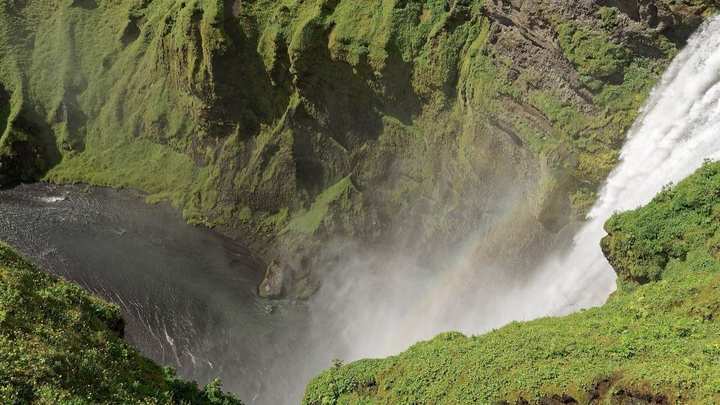
Why Iceland
Iceland is the most-photographed country per square kilometre on Earth, and one of the few that delivers a dedicated Long-term Visa for Remote Workers (since 2020). The catch and the charm: 6 months. Not renewable. But six months in Iceland means a full summer of midnight sun, autumn aurora, the entire Ring Road, every fjord and waterfall, every hot spring. English fluency is the highest outside the Anglosphere. Reykjavik is small (140k city, 380k country) and intensely lived-in.
Who it suits. The high-earning remote worker who wants a once-in-a-lifetime base for a single defined season. Photographers, filmmakers, writers, anyone whose work is portable AND whose work BENEFITS from being somewhere visually exceptional. Couples planning a half-year sabbatical-but-still-working. The Schengen-but-quiet pick.
Who it doesn't. Anyone on a budget: Iceland is the most expensive country in Europe by most measures. People needing a wide nomad community (it's tiny). People who can't tolerate winter darkness (4 hours of daylight in December). And people needing more than 6 months; the visa is genuinely non-renewable.
The visa, in plain English
Iceland runs one dedicated remote-worker route. The Long-term Visa for Remote Workers (sometimes called the Long-term Travel Visa) is the only practical pathway for non-EU/EEA nomads.
Long-term Visa for Remote Workers
- Eligibility. Non-EU/EEA national from a country exempt from Iceland's standard visa requirements (most Western countries qualify). Working remotely for a foreign employer OR as a self-employed freelancer with foreign clients. Cannot work for any Icelandic-registered entity.
- Income threshold. ISK 1,000,000/month (~$7,200 USD) for a single applicant, or ISK 1,300,000 (~$9,400) including a spouse. Yes, you read that right: this is one of the highest income thresholds of any nomad visa anywhere, and it reflects Iceland's actual cost of living.
- Length. Up to 180 days (6 months). Non-renewable. You must leave Iceland and stay outside for 12 months before reapplying.
- Where to apply. Online via the Directorate of Immigration (UTL) portal. Decision typically in 3–4 weeks. Visa sticker issued at an Icelandic embassy abroad.
- Documents. Passport, employment contract or freelance evidence, recent bank statements showing the income threshold, criminal background check, comprehensive health insurance with at least €30,000 coverage and valid in Iceland for the duration, ISK 12,200 (~$88) fee.
- Tax. The 6-month cap means most visa holders stay below Iceland's tax-residency threshold (183+ days). Foreign-source income remains untaxed in Iceland during the visa. Iceland has a comprehensive double-taxation treaty network if you somehow cross.
- Family. Spouse and dependent children can apply together (separate applications tied to the principal).
Reviewed in May 2026. Visa rules change. Confirm with the official source: utl.is (Directorate of Immigration) before applying.
Cost of living
Iceland is genuinely the most expensive country in Europe. Reykjavik furnished 1BRs run ISK 280,000–450,000 (~$2,000–3,250) monthly. Groceries and restaurants are roughly 1.5–2× central London prices. Renting a 4×4 (essential for any Ring Road or interior exploration) runs ISK 250,000+/month. The Long-term Visa's $7,200/month income threshold is calibrated for this reality.
Solo nomad in Reykjavik, monthly:
- Rent. Furnished 1BR central: ISK 280,000–450,000 ($2,000–3,250)
- Groceries (Bónus, Krónan): ISK 85,000–125,000 ($615–905)
- Transit (rental car ~$1,200/month, OR Reykjavik city bus): ISK 25,000–170,000 ($180–1,230)
- Coworking (Spaces, hot desk): ISK 60,000–95,000 ($435–690)
- Eating out (restaurants are pricey; ~$25 lunch, $50–70 dinner): ISK 90,000–150,000 ($650–1,090)
- Gym (World Class Iceland): ISK 18,000–28,000 ($130–200)
- Entertainment (Blue Lagoon $90, day tours $150+, Northern Lights tours): ISK 70,000–130,000 ($505–940)
- Total: ~$3,800 USD / month (without rental car), or $5,000+ with
Swipe to compare →
Health insurance with €30,000+ coverage is mandatory; international plans (Cigna Global, Allianz Care, BUPA Global) typically run $150–300/month. Iceland's public Landspítali (national hospital) is excellent and the country has near-universal access for citizens / long-term residents; visa holders rely on their international plans.
Internet & connectivity
Iceland has the strongest connectivity per capita on Earth. Síminn, Vodafone Iceland, Nova push 1 Gbps fiber to virtually every populated address. Even remote farms in the highlands often have Starlink or fiber. Median fixed download is around 200 Mbps. Mobile 5G covers Reykjavik and most of the Ring Road; in the highlands, coverage thins but is still functional.
Café coworking is real in Reykjavik (Reykjavik Roasters, Kaffifélagid, Sandholt) and Akureyri's Centre. Wi-Fi is genuinely fast everywhere.
The thing nobody tells you about an Iceland 6 months. You will drive constantly. Reykjavik for the base, Ring Road for the weekends, Westfjords for the deep summer week, Southern Coast for the waterfalls, the highlands for the interior. Each leg tempts you into a local Síminn SIM. Each new SIM means a new Icelandic number. Which means your bank's 2FA code lives on a SIM in Reykjavik while you're at Jökulsárlón glacier lagoon with no signal swap working.
Ringo's answer for the data is the Iceland eSIM at the top of this guide: a prepaid plan, unlimited data at full speed for 3 days, 2 weeks, 30 days or 90 days, from $8.99, by email in seconds and installed next to the SIM you already have. Your number stays on your own SIM, so calls, SMS and the bank's codes keep landing where they always did; the eSIM only carries the data. Moving on after Iceland? The Europe plan (33 countries), the Europe Power Use plan (33 countries) and Global (133 countries) run on one eSIM and sit a tap away above the card. The full Ringo service, one plan that works everywhere with your own number ported, is still being built; every plan bought here funds it.
Where to live
- Reykjavik. 101 (Downtown). The walkable core. Café-and-restaurant-dense, Harpa concert hall, the Tjörnin pond. ISK 320,000–500,000 (~$2,300–3,600) furnished 1BR. Best for: first-timers, social-life-first nomads.
- Reykjavik. 105 / 107. Slightly outside downtown but still walkable / bus-able. Cheaper. ISK 260,000–400,000 (~$1,900–2,900). Best for: longer stays.
- Greater Reykjavik (Kópavogur / Hafnarfjörður). Suburban municipalities, cheaper, family-friendly. ISK 220,000–340,000 (~$1,600–2,450). Best for: families.
- Akureyri (Northern Iceland). "The capital of the north", smaller, dramatically cheaper. ISK 180,000–280,000 (~$1,300–2,000). Best for: a quiet 2–3 month stretch with the best aurora visibility.
- Outside towns (Ring Road farms / villages). Cabin rentals can be cheap by Icelandic standards if you bring a car. ISK 150,000–250,000 (~$1,100–1,800). Best for: writers, photographers, deep-immersion stays.
Coworking & community
Coworking spaces worth a desk:
- Spaces / Regus Reykjavik. Multiple Reykjavik locations. The main corporate-grade option. ~ISK 80,000/month ($580) hot desk.
- Innovation House Iceland. Reykjavik. Startup-flavoured, regular events. ~ISK 70,000/month.
- Kvosin. Reykjavik 101. Smaller, community-led, in a converted historical building. ~ISK 65,000/month.
- Gildiskáli. Akureyri. Northern Iceland's small but real coworking. ~ISK 50,000/month.
Communities worth joining day one:
- Nomad List Reykjavik. Paid, the most useful for the small Iceland nomad scene.
- Expats in Iceland on Facebook (25k+). Visa-question + housing firehose.
- Reykjavik Tech Meetup. Real engineers, small but active community.
Practical setup
- Banking. The Long-term Visa doesn't easily unlock an Icelandic bank account in most cases. Banks generally require a kennitala (Icelandic ID) which is typically issued to people with longer-term residence. Wise, Revolut, and a US/EU debit card are the practical setup. Iceland is fully card-based; cash is rare.
- Kennitala. Icelandic ID number. Important for utility accounts, gym memberships, etc. Long-term Visa holders may or may not receive one depending on stay length, so confirm with UTL.
- Healthcare. The €30,000+ coverage health insurance is mandatory for the visa. Cigna Global, BUPA Global, Allianz Care typical choice ($150–300/month). Visa holders generally don't enrol in Icelandic public health.
- Tax residency. The 6-month visa cap means most holders stay below the 183-day Icelandic tax-residency threshold. Foreign-source income remains untaxed in Iceland.
- Driving. Get an International Driving Permit before arriving. With an IDP, you can rent a car or 4×4 indefinitely on the visa. Driving is on the right (continental).
- Accommodation platforms. Bland.is for long-term Icelandic listings. Airbnb monthly is the standard nomad path (book 3–6 months ahead for summer). Facebook groups "Reykjavik Apartment Rent" useful for off-market.
Useful links
- utl.is. Directorate of Immigration (Útlendingastofnun).
- island.is. Icelandic public-services portal (registration, tax).
- rsk.is. Iceland Revenue and Customs.
- sjukra.is. Icelandic Health Insurance.
- nomadlist.com/iceland. Costs, ratings, member chat.
The honest downsides
- Cost. Iceland is the most expensive country in Europe. A $7,200/month income threshold is intentional and necessary. Budget at least $4,000–6,000/month for solo living.
- 6 months and out. Non-renewable on the same passport. You must leave for 12 months before reapplying.
- Winter darkness. December gets ~4 hours of daylight. Most successful long-stay residents come for the May–September window. A SAD lamp + a real winter coat is non-optional.
- Weather is dramatic. Wind, rain, snow can all happen in a single afternoon. Plan flexibility into travel; the Ring Road can close in winter.
- Tourist competition. Iceland gets 2.3M+ tourists annually for a 380k-population country. Reykjavik downtown and the Golden Circle / Blue Lagoon are crowded year-round.
A 30-day on-arrival checklist
- Day 1–3. Land at KEF (Keflavik International). Pick up a rental car if you'll travel; book in advance, prices climb fast in summer. Move into your first month accommodation in Reykjavik.
- Day 3–7. Confirm your visa registration if not done at the consulate. Your visa sticker should already be in your passport.
- Week 2. Put the data on an eSIM, not a local prepaid. A Síminn or Nova prepaid comes with a new Icelandic number you will outgrow the moment you fly to London for the weekend. The Iceland data eSIM at the top of this guide installs in one scan and runs next to your own SIM, so your bank, your accountant and your codes keep reaching the number you already have.
- Week 2. Confirm your private health insurance is active and covers Iceland; this is enforced.
- Week 2. Pick a coworking. Spaces or Innovation House Iceland in Reykjavik.
- Week 2. Plan your Ring Road. Budget at least one full week for the loop. Book accommodations along the route 1–2 months ahead (summer fills fast).
- Week 3. Day-trip to the Blue Lagoon. Sky Lagoon and Geosea (Húsavík) are the less-touristy alternatives.
- Week 4. Find your café (Reykjavik Roasters, Kaffifélagid), your sea swim (Nauthólsvík geothermal beach), your favourite waterfall route. The point of 6 months in Iceland isn't the visa. It's the depth the time allows.