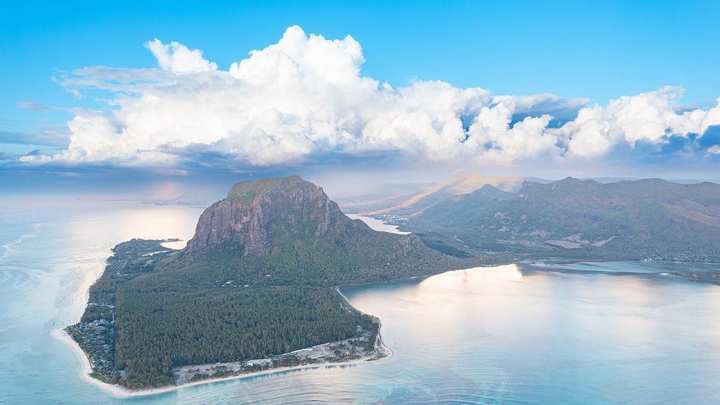
Why Mauritius
Mauritius is the Indian Ocean nomad outlier: a politically stable, bilingual (English + French + Mauritian Creole) island the size of a small county, with white-sand beaches, a Premium Travel Visa launched in 2020, and an offshore-friendly tax regime that's been quietly attracting remote workers for years. Beach work in the morning, world-class Indian / Creole food at lunch, sunset over Pamplemousses gardens at the end of the day. The country sits in the top 30 of the Global Peace Index and has Africa's highest GDP per capita.
Who it suits. The beach-life-first nomad whose calendar can flex around tropical weather. The high-earning consultant or executive who wants legal tax-optimisation alongside an island lifestyle. The couple looking for a 6–12 month base before bouncing to Cape Town or Dubai. People who want English-language operations, bilingual French context, and post-colonial multicultural identity (Indian, Creole, Chinese, French).
Who it doesn't. People who want a buzzing nomad scene: Mauritius is quiet, and the community is small (a few hundred long-stay nomads at any time). People who can't tolerate cyclone season (December–March, mostly mild but occasionally serious). And anyone who needs frequent flights to non-African destinations: Mauritius is genuinely remote, with most international flights routing through Dubai, Singapore, Joburg or Paris.
The visa, in plain English
Mauritius runs one main remote-worker route, the Premium Travel Visa, plus a tax-residency-by-investment alternative.
Premium Travel Visa (the headline route)
- Eligibility. Foreign passport holder from countries eligible for Mauritius visa-free or visa-on-arrival entry (most Western countries, plus India, China, South Africa). Working remotely for foreign clients / employer, OR retired with stable pension income.
- Income threshold. $1,500 USD/month minimum for the principal applicant, evidenced by 3 months of bank statements. Among the lowest bars of any nomad visa. Add ~$500 per dependant.
- Length. 1 year, renewable annually. Spend over 6 months in Mauritius across the year to keep the visa active.
- Where to apply. Online via the Mauritius Premium Travel Visa portal. No consulate visit required. Processing: typically 5–15 business days. Free of fees.
- Documents. Passport (6+ months validity), 3 months of bank statements showing $1,500+/month income, valid travel and health insurance, proof of remote-work agreement or pension, passport photo.
- Family. Spouse and dependent children can apply as dependants on the principal application.
- Tax. Mauritius is a territorial tax country. As a Premium Travel Visa holder you are not automatically a Mauritian tax resident; you remain non-resident on foreign income. If you spend 183+ days in a fiscal year you become tax resident: Mauritian income is taxed at 15% flat, foreign income remitted to Mauritius is also taxable. Foreign income held offshore is not.
Occupation Permit (the longer-game alternative)
- Eligibility. Three categories: Investor ($50k+ business investment), Self-Employed Professional ($35k+ initial transfer + a registered business), Skilled Professional (employment with Mauritian company + minimum salary).
- What it grants. 10-year renewable residence, family included, path to permanent residency after 3 years.
- Why most nomads skip it. Requires real business commitment or a Mauritian employer. Premium Travel Visa is the right pick for someone who just wants a year or two on the island.
Reviewed in May 2026. Visa rules change. Confirm with the official source: residency.mauritiusnow.com (Premium Travel Visa) and the passport.govmu.org (Passport & Immigration Office) before applying.
Cost of living
Mauritius is mid-tier on cost: significantly cheaper than Dubai but pricier than Cape Town. Furnished beach-area apartments (Grand Baie, Tamarin, Pereybère) run $900–1,700 USD. Inland Port Louis is meaningfully cheaper. The island is small enough (60 km × 45 km) that you don't really pick a "city." Most nomads pick a coast and drive everywhere.
Solo nomad in Grand Baie / Tamarin, monthly:
- Rent. Furnished 1BR or studio on the coast: MUR 28,000–60,000 ($630–1,350)
- Groceries (Winners, Intermart, local markets): MUR 12,000–18,000 ($270–405)
- Transit (rental car, non-negotiable on the island, ~$300/month plus fuel): MUR 16,000–22,000 ($360–495)
- Coworking (Driftwood, Roof, hot desk): MUR 9,000–15,000 ($200–340)
- Eating out (Creole street food + nicer dinners): MUR 14,000–22,000 ($315–495)
- Gym (BHive, Movement): MUR 2,500–4,500 ($55–100)
- Entertainment (diving, kite-surfing, weekend Île aux Cerfs trips, Réunion weekend): MUR 10,000–18,000 ($225–405)
- Total: ~$2,200 USD / month
Swipe to compare →
Private health insurance for nomads runs MUR 4,000–10,000/month ($90–225 USD) with Swan Insurance, MUA Insurance, or international plans (Cigna Global, Allianz Care). The private hospitals (Wellkin Hospital, Apollo Bramwell, Fortis Clinique Darné) are excellent and affordable. For serious medical, the standard is to fly to Réunion, Johannesburg, or Singapore.
Internet & connectivity
Mauritius's connectivity is genuinely solid: the IOX cable system landed in 2025, dramatically improving Indian Ocean latency. Emtel (mobile) and Mauritius Telecom (my.t) push 100–500 Mbps fiber to most populated coastal areas for MUR 1,500–3,500/month ($35–80 USD). Median fixed download is around 70 Mbps per the Speedtest Global Index; recent improvements push the urban average closer to 100 Mbps. Mobile 4G+ coverage is excellent across the island; 5G has launched in Port Louis and major coastal hubs.
Café coworking in Grand Baie and Tamarin is real but limited. The cluster of cafés near La Croisette (Grand Baie), and the Tamarin / Black River boardwalk café scene, are the main camping spots. For dedicated work, the small but functional coworking sector is the right choice.
The thing nobody tells you about Mauritius. You'll travel often. Réunion for a long weekend (40-minute flight, French dépt. with EU passport perks), Seychelles for a week, Madagascar for an adventure trip, occasional Joburg conference, regular trips home. Each trip tempts you into a new Emtel or my.t prepaid SIM at the airport, which means a new Mauritian number. Which means your bank's 2FA code lives on a SIM in your apartment in Grand Baie while you're in Réunion's volcano caldera.
Ringo's answer for the data is the Mauritius eSIM at the top of this guide: a prepaid plan, unlimited data at full speed for 7 days, 2 weeks or 30 days, from $18.99, by email in seconds and installed next to the SIM you already have. Your number stays on your own SIM, so calls, SMS and the bank's codes keep landing where they always did; the eSIM only carries the data. Moving on after Mauritius? The Africa plan (20 countries) run on one eSIM and sit a tap away above the card. The full Ringo service, one plan that works everywhere with your own number ported, is still being built; every plan bought here funds it.
Where to live
- Grand Baie / Pereybère (North). The nomad and expat ZIP. Restaurants, cafés, water sports, lagoon swimming, walkable centre. MUR 32,000–60,000 ($720–1,350) for a furnished 1BR. Best for: first-timers and the densest nomad community.
- Tamarin / Black River (West). Surf and dolphin coast, dramatic sunset light, slightly slower than the north. MUR 30,000–55,000 ($675–1,235). Best for: surfers, kitesurfers, and people who want sunsets over the Indian Ocean.
- Flic en Flac (West). Long beach, fewer restaurants, family-friendly. MUR 26,000–48,000 ($585–1,080). Best for: longer stays and budget-conscious couples.
- Port Louis / Quatre Bornes / Curepipe (Central). The urban-and-administrative belt. Cheaper, hotter at lower altitude, fewer foreign nomads. MUR 18,000–35,000 ($405–790). Best for: a few months in the city if you want the local pace.
- Belle Mare (East). Long white-sand beach, quieter, lagoon water sports. MUR 28,000–55,000 ($630–1,235). Best for: month-long retreats and luxury beach work.
Coworking & community
Coworking spaces worth a desk:
- Driftwood Spaces. Grand Baie. Beach-adjacent, design-led, the nomad-favourite. ~MUR 11,000/month ($250) hot desk.
- Roof Coworking. Tamarin + Grand Baie. Sea-view rooftops, lifestyle-oriented. ~MUR 10,000/month.
- The Floors. Port Louis. The corporate-grade option for client meetings. ~MUR 13,000/month.
- Workspace Mauritius. Ebene CyberCity (the central business district). Tech-startup focused. ~MUR 9,500/month.
- Regus / Spaces. Port Louis + Ebene. Dependable corporate option. ~MUR 12,000–18,000.
Communities worth joining day one:
- Nomad List Mauritius. Paid, the most active community for the small Mauritian nomad scene.
- Mauritius Digital Nomads on Facebook (15k+). Visa / housing / driving questions.
- Expats in Mauritius on Facebook (35k+). The broader expat firehose, useful for general living.
Practical setup
- Banking. MCB (Mauritius Commercial Bank) and SBM Bank are the two foreigner-friendly defaults. Both accept Premium Travel Visa holders for personal multi-currency accounts. Wise works for the foreign-currency sleeve.
- NID (National Identity Document). Premium Travel Visa holders get a temporary residence permit; longer-stay nomads on the Occupation Permit get a full NID. Required for car rentals over 1 month, utility setup, banking.
- Healthcare. Private insurance is the practical default ($90–225/month at Swan, MUA Insurance). The private hospitals (Wellkin, Apollo Bramwell, Fortis Clinique Darné) are excellent. International evacuation cover is wise for serious cases. Flights to Réunion or Joburg for top-tier care are 1–4 hours.
- Tax residency. 183+ days in a fiscal year makes you Mauritian tax-resident at 15% flat on Mauritian-source income. Foreign income remitted to Mauritius is also taxed, but foreign income kept offshore is not. Talk to a local accountant about structuring.
- Accommodation platforms. L'Express Property for long-term local listings. Airbnb monthly for furnished. The "Expats in Mauritius" Facebook group has the best landlord-direct listings for nomad-friendly properties.
- Driving. Get an International Driving Permit before arriving. With it you can rent a car indefinitely on the Premium Travel Visa. A small car runs MUR 12,000–18,000/month ($270–405) and is non-optional given the island has no useful public transit network.
Useful links
- residency.mauritiusnow.com. Premium Travel Visa portal (Economic Development Board).
- passport.govmu.org. Passport & Immigration Office (residence permits, NID).
- mra.mu. Mauritius Revenue Authority.
- wellkinhospital.com. Wellkin Hospital (major private).
- apollobramwell.com. Apollo Bramwell.
- coworker.com (Mauritius). Searchable directory.
- nomadlist.com/mauritius. Costs, ratings, member chat.
The honest downsides
- Island isolation. Mauritius is genuinely remote. Most international flights route through Dubai, Joburg, Paris, or Singapore. A trip home is 12–24 hours. The nomad community is small (a few hundred long-stay at any time).
- Cyclone season. December–March is cyclone-prone. Most are mild; once every 2–3 years there's a serious one. Houses are built for it, but flights cancel and routine life pauses for a few days.
- Car-dependent. No useful public transport network outside the Port Louis bus system. A car is essentially required. Driving is on the left (UK-style).
- Limited city life. Port Louis is a working capital, not a foodie or nightlife destination. Grand Baie is the closest thing to a fun night out. Cape Town it isn't. If you need urban density, Mauritius will eventually feel small.
- Banking can be slow. MCB and SBM are foreigner-friendly but compliance has tightened post-2020 (Mauritius was on the FATF grey list for some years). Plan for 1–3 weeks of paperwork to fully open an account.
A 30-day on-arrival checklist
- Day 1–3. Land at MRU (Sir Seewoosagur Ramgoolam International). Pick up a rental car at the airport (book in advance). Drive to your first month accommodation in Grand Baie, Tamarin or Flic en Flac.
- Day 3–7. If your Premium Travel Visa wasn't pre-approved, submit the online application at residency.mauritiusnow.com. Free, takes 5–15 business days.
- Week 2. Open a multi-currency personal account at MCB or SBM. Bring your passport, Premium Travel Visa proof, accommodation lease, and ~3 months of bank statements.
- Week 2. Put the data on an eSIM, not a local prepaid. An Emtel or my.t prepaid comes with a new Mauritian number you will outgrow the moment you fly to Réunion. The Mauritius data eSIM at the top of this guide installs in one scan and runs next to your own SIM, so your bank, your accountant and your codes keep reaching the number you already have.
- Week 2. Pick a coworking. Driftwood Spaces in Grand Baie or Roof in Tamarin are the defaults.
- Week 3. Buy private health insurance from Swan or MUA. Plan to add international evacuation cover if you'll travel often (Cigna Global is the typical choice).
- Week 3. Sort the long-term car rental. Small cars run MUR 12,000–18,000/month. Pay attention to the driving rules (left-hand traffic, watch for the local pace).
- Week 4. Find your dholl-puri spot, your favourite Pamplemousses sunset, your weekend Île aux Cerfs boat trip. The point of the year isn't the visa. It's the life you build inside it.