Why South Africa
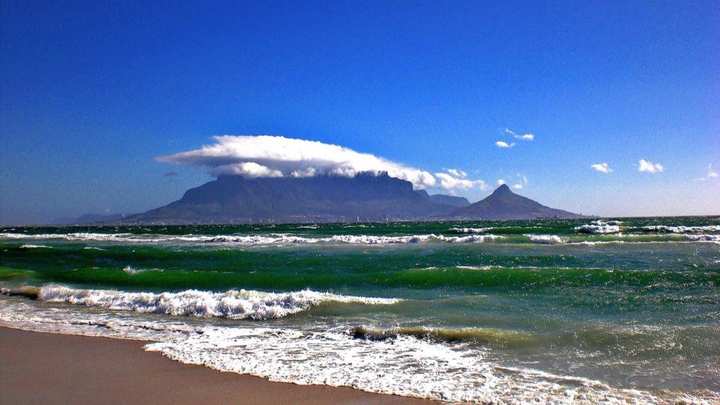
South Africa is the African nomad country that finally formalised what visitors had been doing on tourist stamps for years. The Remote Work Visa, launched in 2024, gives non-residents up to 36 months of legal residence on foreign income. Cape Town is one of the great work-with-a-view cities (Table Mountain, two oceans, biltong, the world-class wine of Stellenbosch) at roughly half the price of Lisbon. The rand's weakness against the dollar (often 17–20 ZAR per USD) means a comfortable life costs less here than almost anywhere else in the developed-world tier.
Who it suits. The remote worker who wants summer when Europe is wet (October–April). The surfer or kitesurfer who wants Atlantic surf in the morning and a vineyard lunch. The wildlife-curious nomad who can take Kruger Park weekends when other countries offer a city park. The Anglophone who can't fit a Spanish-speaking LatAm hub into their life. Couples who want world-class food, wine and beaches at half the European price.
Who it doesn't. People who can't handle Stage 4+ load shedding (planned blackouts), though 2025–2026 has been notably better than 2022–2024. People uncomfortable with active conversations about violent crime statistics: they're real, though concentrated in specific contexts. And people who need ubiquitous walkability: Cape Town is car-dependent outside the City Bowl and Sea Point, and Joburg even more so.
The visa, in plain English
South Africa runs two practical routes for remote workers. The Remote Work Visa is the new headline route. The older Critical Skills Visa is the longer-game alternative for in-demand tech / finance / medical workers.
Remote Work Visa (the new headline route)
- Eligibility. Foreign passport holder, employed by or contracting with a non-South-African company. Cannot work for any South African-registered employer under this visa.
- Income threshold. ZAR 1,000,000+ annual income (~$53,000 USD) for the past 12 months, evidenced by payslips, contracts or audited financials.
- Length. Up to 36 months (3 years), multi-entry. After 5 continuous years of South African residence (combining categories) you become eligible for permanent residence.
- Where to apply. Submit at a South African embassy or consulate abroad. Processing: 4–10 weeks in 2026. Many nomads use a registered SA immigration agent (~$400–900) to handle the paperwork. In-country conversion from a tourist stamp is not standard for this visa.
- Documents. Passport, apostilled criminal background check, apostilled birth certificate, medical and radiological reports (TB clearance), 12 months bank statements showing the income, employment contract or freelance evidence, comprehensive South African-valid health insurance, ZAR 1,520 (~$80) visa fee.
- Family. Spouse and dependent children can be added under the spouse / dependant visa categories (separate applications). The principal applicant's income drives the threshold.
- Tax. SARS (the tax authority) makes you a tax resident at 183+ days in any 12-month window. Above this you owe SA income tax on worldwide income (18–45% progressive). Double-taxation treaties with US, UK, EU mitigate this for most. Under 183 days, foreign income remains non-resident.
Critical Skills Visa (the long-game alternative)
- Eligibility. Listed critical-skills occupation (most tech, engineering, advanced finance, medical, scientific roles). Requires SA-recognised qualification + relevant work experience.
- What it grants. 5-year multi-entry, path to permanent residency after 5 years (faster than other routes), spouse and children sponsored.
- Why most nomads skip it. Bureaucratic; the SAQA (qualifications authority) recognition step is real paperwork. Better fit for relocators than nomads.
Reviewed in May 2026. Visa rules change. Confirm with the official source: dha.gov.za (Department of Home Affairs) and the South African embassy in your home country before applying.
Cost of living
Cape Town is the cheapest world-class coastal city in the developed-country tier. Sea Point, Green Point, Camps Bay one-bedrooms run $700–1,200 USD furnished. Inside the City Bowl, $600–1,000. Stellenbosch and Franschhoek (Cape Winelands) are similar. Joburg is generally cheaper than Cape Town but you'll spend more on private security and transport.
Solo nomad in Cape Town (Sea Point / Green Point), monthly:
- Rent. Furnished 1BR central: ZAR 13,000–22,000 ($700–1,200)
- Groceries (Woolworths, Pick n Pay): ZAR 4,500–6,500 ($240–350)
- Transit (Uber + occasional car rental, MyCiTi bus): ZAR 2,500–4,500 ($135–245)
- Coworking (Workshop17, Spaces, hot desk): ZAR 3,500–5,500 ($190–300)
- Eating out (Cape Town's restaurant scene is genuinely world-class): ZAR 5,000–8,000 ($270–435)
- Gym (Virgin Active, Planet Fitness): ZAR 800–1,400 ($45–75)
- Entertainment (wine tours, Kirstenbosch, Robben Island, Cape Point): ZAR 3,000–5,000 ($165–275)
- Total: ~$1,600 USD / month
Swipe to compare →
Private health insurance for a solo nomad runs ZAR 1,800–4,500/month ($95–245 USD) on Discovery Health, Bonitas or Momentum. Private hospitals (Mediclinic, Netcare, Life Healthcare) are world-class. Public hospitals are overstretched and not the practical option for foreigners. Comprehensive international cover (Cigna Global, Allianz Care) is required for the Remote Work Visa.
Internet & connectivity
Connectivity in South Africa is genuinely good in the cities and patchy elsewhere. Vumatel, Openserve, Frogfoot push 200 Mbps–1 Gbps fiber to most Cape Town and Joburg residential addresses for ZAR 800–1,400/month ($45–75 USD). Median fixed download nationally hovers around 60 Mbps; cities run much higher. Mobile coverage from Vodacom and MTN blankets every major area; 5G is rolling out in Cape Town, Joburg, Pretoria, Durban.
The load shedding question is the real one. National-grid blackouts hit cities on a rolling schedule, typically Stage 1 (2 hours/day) up to Stage 6 (up to 12 hours/day) at peaks. 2025–2026 has been markedly better than 2022–2024 (more like Stage 0–2 most days), but it's not zero. Every serious coworking, modern apartment building and decent café has battery backup + generator + inverter setup. Verify before signing a 12-month lease.
Cape Town cafés are a real coworking surface: Truth Coffee, Origin, Bootleggers, Jason's, Honest Chocolate Café. Wi-Fi is generally fast; the load-shedding-aware spots have UPS systems that keep the Wi-Fi up through blackouts.
The thing nobody tells you about a South Africa year. You bounce within the country a lot: Cape Town for the workweek, Kruger Park for a long weekend, Garden Route drives, Joburg for a conference, Stellenbosch for a wine weekend. Each move tempts you into a Vodacom or MTN prepaid SIM, which means a new South African number. Which means your bank's 2FA code lives on a SIM you swapped out somewhere on the N2 highway.
Ringo's answer for the data is the South Africa eSIM at the top of this guide: a prepaid plan, unlimited data at full speed for 7 days, 2 weeks or 30 days, from $11.99, by email in seconds and installed next to the SIM you already have. Your number stays on your own SIM, so calls, SMS and the bank's codes keep landing where they always did; the eSIM only carries the data. Moving on after South Africa? Global (133 countries) run on one eSIM and sit a tap away above the card. The full Ringo service, one plan that works everywhere with your own number ported, is still being built; every plan bought here funds it.
Where to live
- Cape Town. Sea Point / Green Point / Mouille Point. Beachfront promenade, walkable, café-dense, gay-friendly, central. ZAR 14,000–22,000 ($760–1,200) furnished 1BR. Best for: first-timers and longer stays.
- Cape Town. City Bowl (Tamboerskloof / Gardens / Higgovale). Old-Cape-Dutch charm, Table-Mountain-adjacent, walkable to Bree Street and Kloof. ZAR 13,000–20,000 ($700–1,090). Best for: design + creative crowd, foodies.
- Cape Town. Camps Bay / Clifton. Beachfront luxury. Sunset on the Atlantic, restaurants. ZAR 18,000–35,000 ($980–1,910). Best for: short stays where the location is the point.
- Stellenbosch / Franschhoek (Cape Winelands). Small university town, vineyards, slower pace. ZAR 10,000–18,000 ($545–980). Best for: a 1–3 month rotation, with weekend Cape Town trips.
- Joburg. Rosebank / Sandton / Melville. Africa's commercial capital. Higher altitude (1,750 m), more business density, less scenic. ZAR 9,000–18,000 ($490–980). Best for: founders attending Africa-focused events.
Coworking & community
Coworking spaces worth a desk:
- Workshop17. Multiple Cape Town locations (V&A Waterfront, Watershed, Kloof Street) + Joburg. The premium SA chain. ~ZAR 4,500/month ($245) hot desk.
- The Door Handle. Sea Point, Cape Town. Smaller, design-led, nomad-favourite. ~ZAR 3,500/month.
- Spaces / Regus. Multiple Cape Town + Joburg locations. Corporate-grade, dependable through load shedding. ~ZAR 4,000–5,500.
- WeWork Cape Town. V&A Waterfront. Corporate option with backup power. ~ZAR 5,000/month.
- Open Workspaces. Stellenbosch. The Cape Winelands base. ~ZAR 3,200/month.
- Hub.work. Rosebank, Joburg. The Joburg startup-scene anchor. ~ZAR 3,800/month.
Communities worth joining day one:
- Nomad List Cape Town. Paid, most active community for short-term arrivals.
- Cape Town Tech Meetup. Weekly events, real engineers, free.
- Digital Nomads Cape Town on Facebook (25k+). Visa-question and apartment-listings firehose.
Practical setup
- Banking. Most nomads start with Wise + a foreign debit card. For a local account once you have a Remote Work Visa, Standard Bank, FNB, Capitec and Investec are the foreigner-friendly defaults. TymeBank (digital-only) accepts foreigners with valid visas and is fast to onboard.
- SARS tax number. Once you stay 183+ days you become tax resident. Apply for a tax reference number at SARS (Revenue Service). Most nomads use a local accountant ($150–300/month) once tax residency starts.
- Healthcare. Private (Discovery, Bonitas, Momentum) at ZAR 1,800–4,500/month is the practical default. Mediclinic, Netcare and Life Healthcare are world-class private hospital chains.
- Tax residency. 183+ days in any 12-month window triggers SA tax residence on worldwide income (18–45% progressive). DTA treaties with most Western countries reduce double-taxation.
- Accommodation platforms. Property24 and Private Property for long-term unfurnished. Airbnb monthly for furnished short-term. Cape Town summer (December–February) doubles rents, so book 3+ months ahead.
- Load-shedding mitigation. When picking accommodation, ask explicitly: "Does the building have an inverter / generator / solar backup?" Most Sea Point and City Bowl buildings post-2022 do. Verify before signing.
Useful links
- dha.gov.za. Department of Home Affairs (visa & residence).
- vfsglobal.com (South Africa). Visa application centre operator.
- sars.gov.za. South African Revenue Service.
- discovery.co.za. Discovery Health (largest private insurer).
- mediclinic.co.za. Major private hospital chain.
- coworker.com (South Africa). Searchable directory.
- nomadlist.com/cape-town. Costs, ratings, member chat.
The honest downsides
- Load shedding. National-grid blackouts hit on rolling schedules. 2025–2026 has been better than 2022–2024 (often Stage 0–2 vs. 4–6), but it's not solved. Mitigate by living in inverter/generator/solar-backed buildings and using coworking with battery + generator.
- Crime. South Africa has one of the highest violent-crime rates of any developed-tier country. The risk is heavily neighbourhood and context-specific: Sea Point, Camps Bay, Stellenbosch are statistically safer than many US cities; certain Joburg suburbs after dark are not. Local advice and Uber after 9 pm are non-optional.
- Currency volatility. The rand can move 15–20% in a single year. If you earn in dollars / euros / pounds, this is mostly a benefit (cheaper everything). If you save in rand, plan around it.
- Distances. Cape Town is great; the rest of the country requires real driving or flying. The Garden Route is 4 hours of driving each way; Joburg is a 2-hour flight; Kruger is another 2 hours from there.
- Bureaucracy. The Remote Work Visa is new and processing varies by consulate. Many nomads use a registered SA immigration agent ($400–900) to compress the timeline and avoid mistakes.
A 30-day on-arrival checklist
- Day 1–3. Land at Cape Town CPT or Joburg JNB. Pick up a SIM-free rental car if you're heading anywhere beyond Cape Town's City Bowl / Sea Point area. Lock in your first month accommodation (Airbnb monthly is fine while you scout; verify the load-shedding setup).
- Day 3–7. If you arrived on a Remote Work Visa sticker, locate your local Department of Home Affairs office to formalise residence steps. If you used a registered immigration agent, they'll handle this.
- Week 2. Open a local bank account at FNB, Standard Bank or TymeBank (the digital option). The card arrives in 5–10 days.
- Week 2. Put the data on an eSIM, not a local prepaid. A Vodacom or MTN prepaid comes with a new South African number you will outgrow the moment you drive the Garden Route. The South Africa data eSIM at the top of this guide installs in one scan and runs next to your own SIM, so your bank, your accountant and your codes keep reaching the number you already have.
- Week 2. Pick a coworking with verified backup power. Workshop17 V&A or The Door Handle in Sea Point are the defaults in Cape Town.
- Week 3. Buy private health insurance (Discovery, Bonitas); proof is required for visa renewal.
- Week 3. If staying 183+ days, apply for a SARS tax number. Find a local tax accountant if you'll cross the tax-residence threshold.
- Week 4. Find your weekend hike (Lion's Head sunset, Table Mountain), your boutique winery in Stellenbosch, your favourite Sea Point lunch spot. The point of the year isn't the visa. It's the life you build inside it.