1 · The short answer
For a ski trip in the Alps, buy Ringo Light's Europe plan before you go: one data eSIM that covers France, Switzerland, Austria and Italy, the four countries of the big resorts, with unlimited data at full speed for 2 weeks for $22.99 or 30 days for $35.99, with nothing that renews. It sits next to your own SIM, so your number stays on your own line for calls and texts. The plan has its own page at ringoesim.com/europe.
Switzerland is on the Europe plan. That matters more for skiers than for anyone else: Zermatt and Verbier are in Switzerland, which is outside the EU, and it is where many UK and EU phone plans start to charge.
Each country also has a plan of its own, cheaper for a week in a single resort; the table below has them all.
2 · The resorts against the plans
Read from our catalogue when this page is built.
Swipe to compare →
A single country's plan is the cheaper buy for a week in one resort. The Europe plan is the one for a trip across a border, and in the Alps the border is often on the mountain: from Zermatt you can ski over to Breuil-Cervinia in Italy, and from Chamonix the Mont Blanc tunnel puts Courmayeur in Italy half an hour away.
On 28 September 2026, 2 weeks of unlimited data on Ringo Light cost $22.99, against $35.00 for Ubigi's 15 days, the next cheapest that day:
Swipe to compare →
Regional Europe plans, US dollars, 28 September 2026. The rivals sell 15 days, Ringo Light 2 weeks. Ubigi's 15 days is 30 GB at full speed, then 2 Mbps. Nomad sells no unlimited past 10 days in Europe. Saily's price is from a July listing.
For Switzerland on its own, on 28 September 2026, 2 weeks of unlimited data on Ringo Light cost $16.99, against $39.00 for Ubigi's 15 days, the next cheapest that day. The fine print for each brand is in the best eSIM for Europe and the best eSIM for Switzerland.
3 · The Switzerland question
Inside the EU and EEA, an EU phone plan roams at home prices under the EU's roam-like-at-home rules. Switzerland is outside them. Some EU carriers include it anyway, many charge by the day or by the megabyte, and a UK plan treats it however that carrier treats Europe since Brexit, which is often a daily fee. Check yours before the train climbs to Zermatt, not after the first bill.
The border also matters in France. Around Chamonix, and especially at the top of the valley towards Vallorcine and Le Tour, a phone can pick up a Swiss mast across the ridge and start roaming in Switzerland without you crossing anything. On the Europe plan that costs nothing extra, because both countries are on it.
4 · Resort by resort
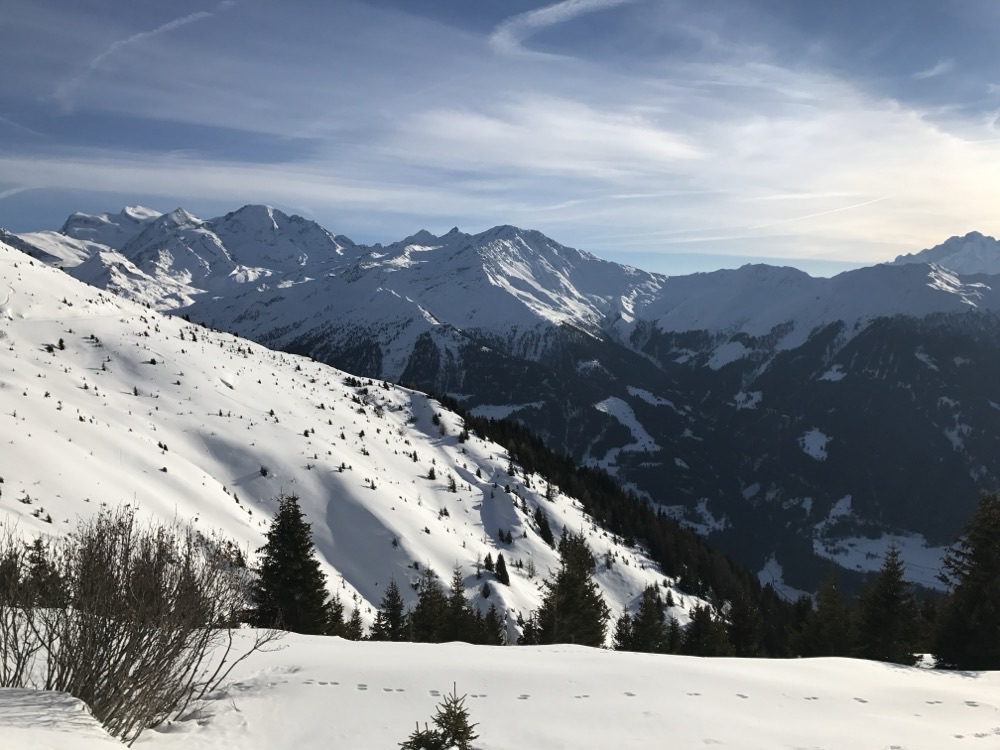
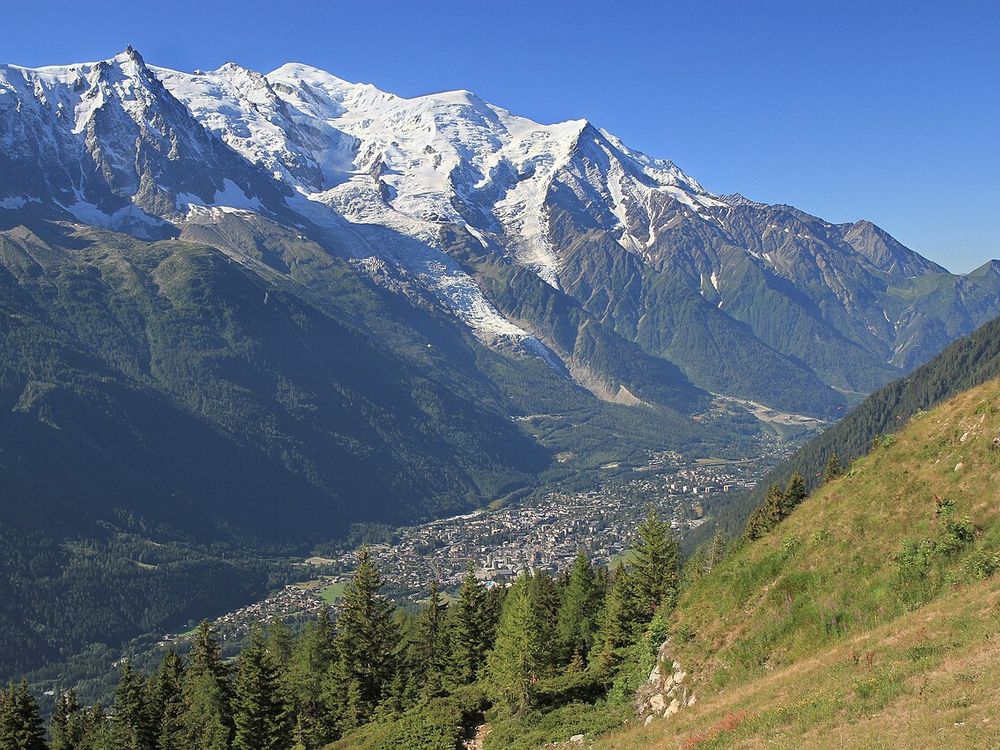
Chamonix, France. A town more than a resort, with the ski areas spread along the valley and buses between them. Coverage in town is good; the high lifts and the glacier routes are patchy, and the Vallée Blanche is no place to depend on a phone.
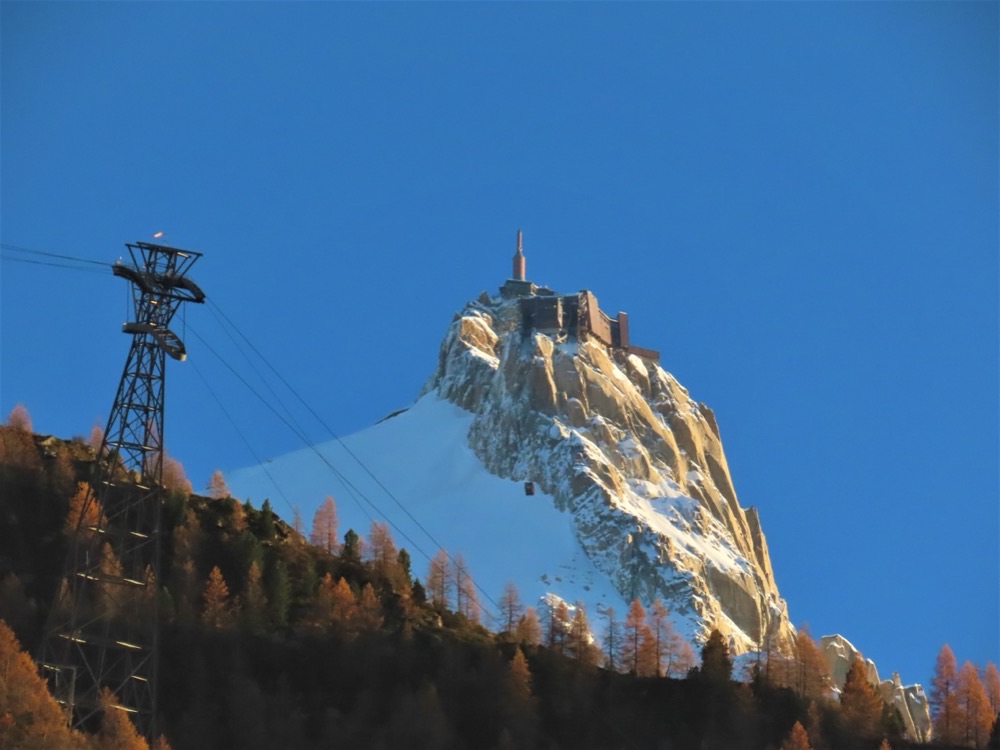
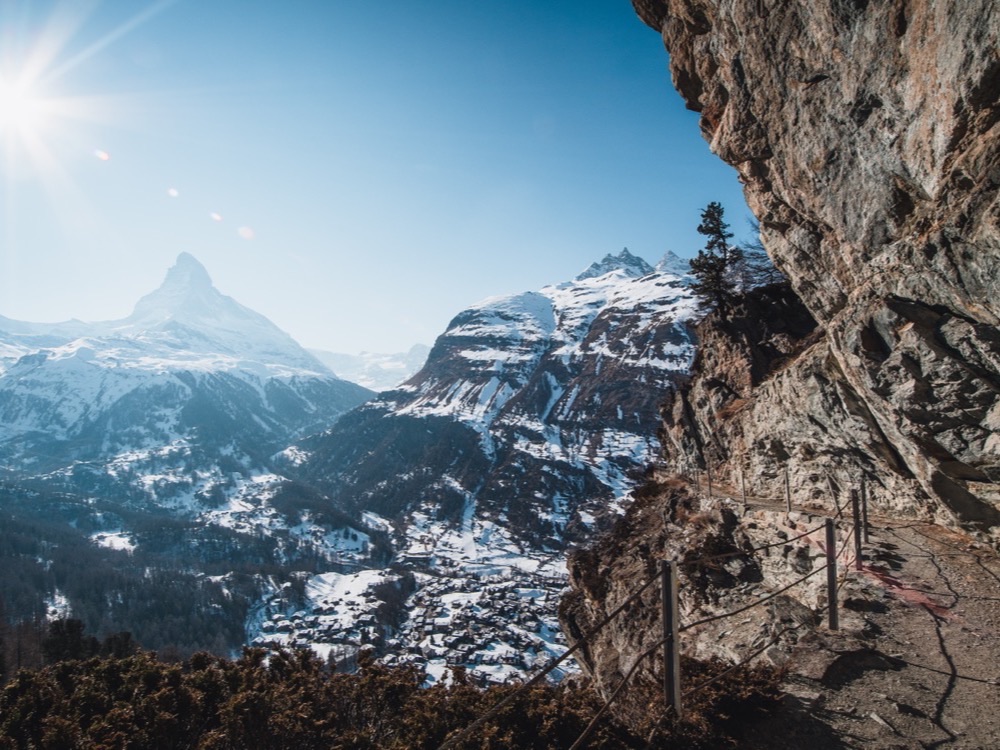
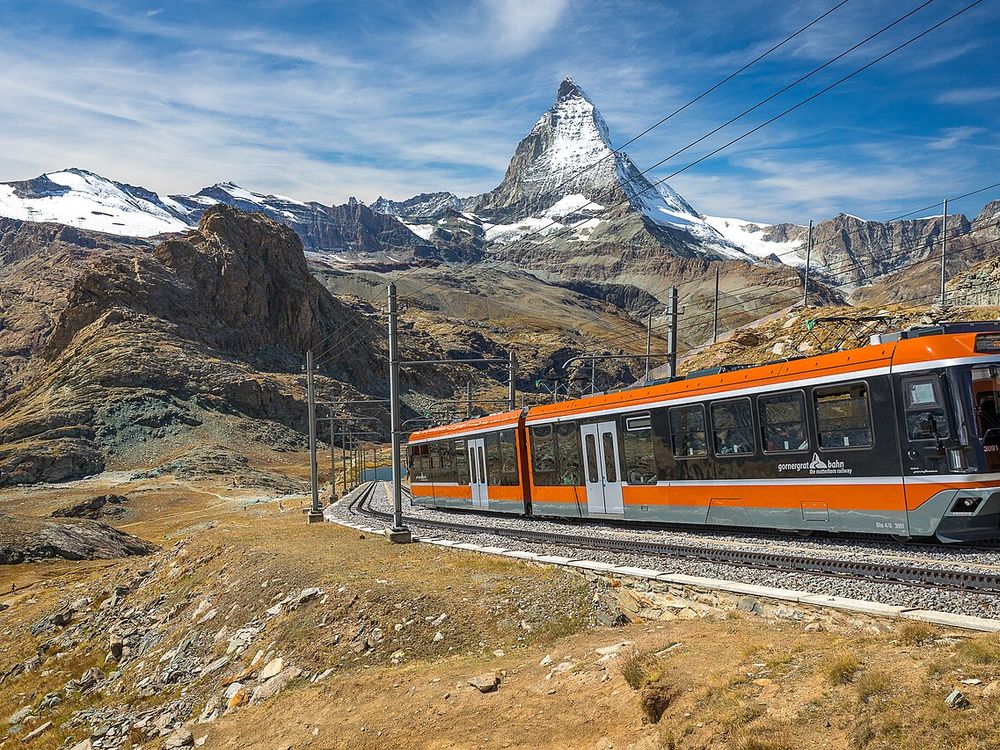
Zermatt and Verbier, Switzerland. The Swiss resorts are where the roaming question bites. Both have good coverage in the villages and at the main lift stations; the high, open terrain and the backcountry less so.
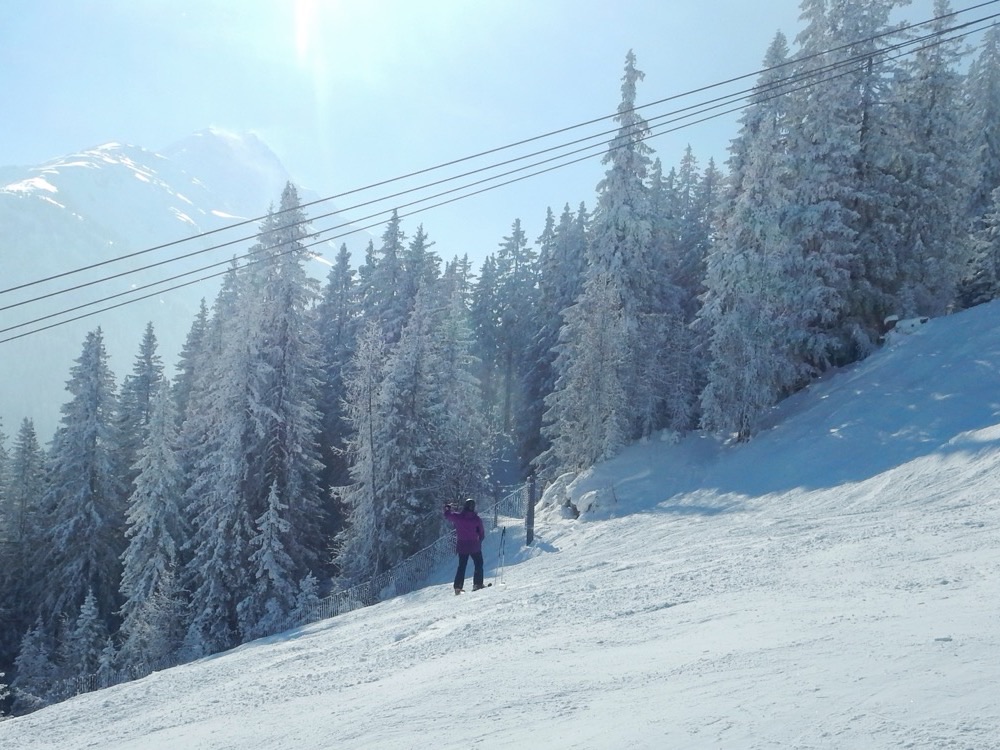
St Anton, Austria. The Arlberg, with lifts linking St Anton to St Christoph, Stuben, Lech and Zürs. Signal is good in the village and on the main runs; the off-piste and the long valley runs are where it thins.
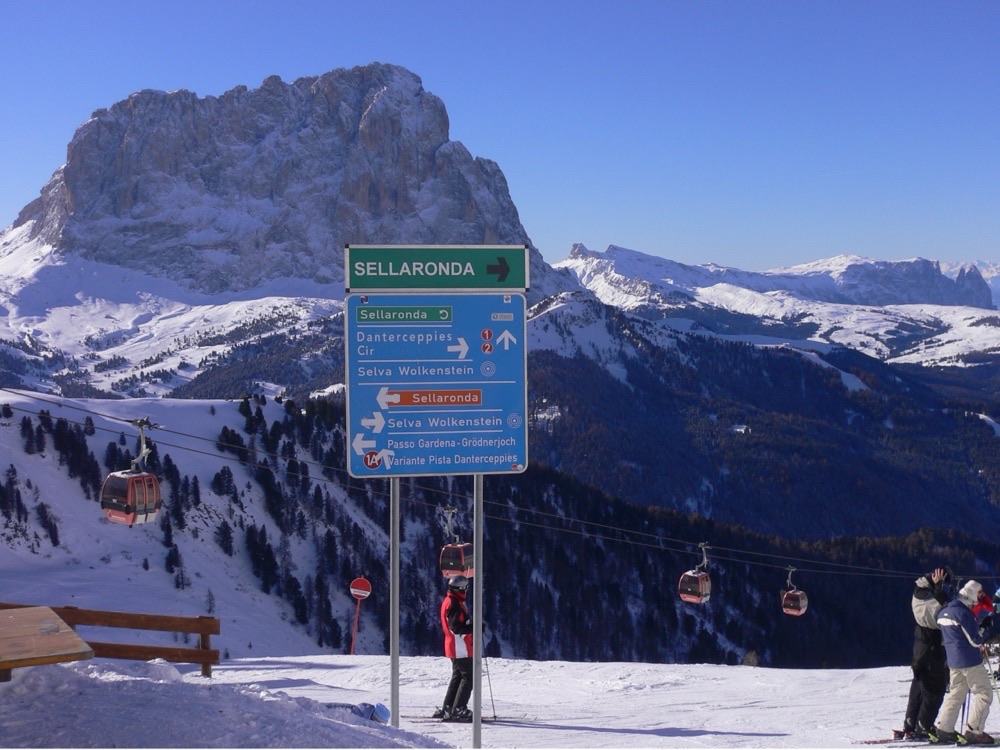
Val Gardena, Italy. Ortisei, Santa Cristina and Selva in the Dolomites, on the Sella Ronda circuit around the Sella massif, with the Dolomiti Superski pass covering a dozen valleys. Coverage is good in the villages and the main lifts, thinner on the passes between valleys.
5 · On the slopes: cold, lift passes, piste maps and hut Wi-Fi
- Cold batteries. A lithium-ion battery loses usable charge well below freezing, and a phone in an outer pocket on a chairlift can switch itself off at 30% or more. Keep it in an inside pocket against your body, carry a small power bank, and turn the brightness down. The charge comes back once it warms up.
- Lift passes. Most big resorts sell passes online, often cheaper in advance, and many run an app with live lift status, queues and weather. Buy and load the pass at the hotel on Wi-Fi or data, not in the queue at the ticket office.
- Piste maps offline. Download the resort's piste map and an offline map of the valley before the first lift. Signal is good near the lift stations and patchy in the bowls, in the trees and behind ridges.
- Mountain-hut Wi-Fi. Many huts and mountain restaurants have Wi-Fi, often slow and shared by everyone at lunch. Treat it as a bonus; the data line is what you rely on.
- Emergencies. 112 works in all four countries, from any phone, and your own SIM stays on for calls. Ringo Light is data only, so save the resort's piste rescue number in your contacts and call it on your own line.
A ski day stays well under 1 GB unless you upload a lot of video. On Ringo Light you get unlimited data at full speed for the length of the plan: 2 weeks for $22.99 or 30 days for $35.99, nothing that renews.
6 · Which Ringo plan, and what it costs
- The Europe plan, for a trip across the Alps or a resort on a border: 2 weeks for $22.99 or 30 days for $35.99, 33 countries, nothing that renews. ringoesim.com/europe
- The France plan, for a week in Chamonix alone: 2 weeks for $14.99 or 30 days for $26.99.
- The Switzerland plan, for a week in Zermatt and Verbier alone: 2 weeks for $16.99 or 30 days for $32.99.
- The Austria plan, for a week in St Anton alone: 2 weeks for $14.99 or 30 days for $26.99.
- The Italy plan, for a week in Val Gardena alone: 2 weeks for $14.99 or 30 days for $26.99.
- The Global plan, for a whole season or a trip beyond Europe: $49.99 a month for 133 countries, renewing until you cancel.
Pay by card, Apple Pay or Google Pay and the eSIM arrives by email within seconds. Install it at home on Wi-Fi, switch its data on when you arrive, and turn Data Roaming on for it. Travelling to the resort by train? eSIM for Interrail covers the borders on the way. Not sure your phone takes an eSIM? See which phones support eSIM.