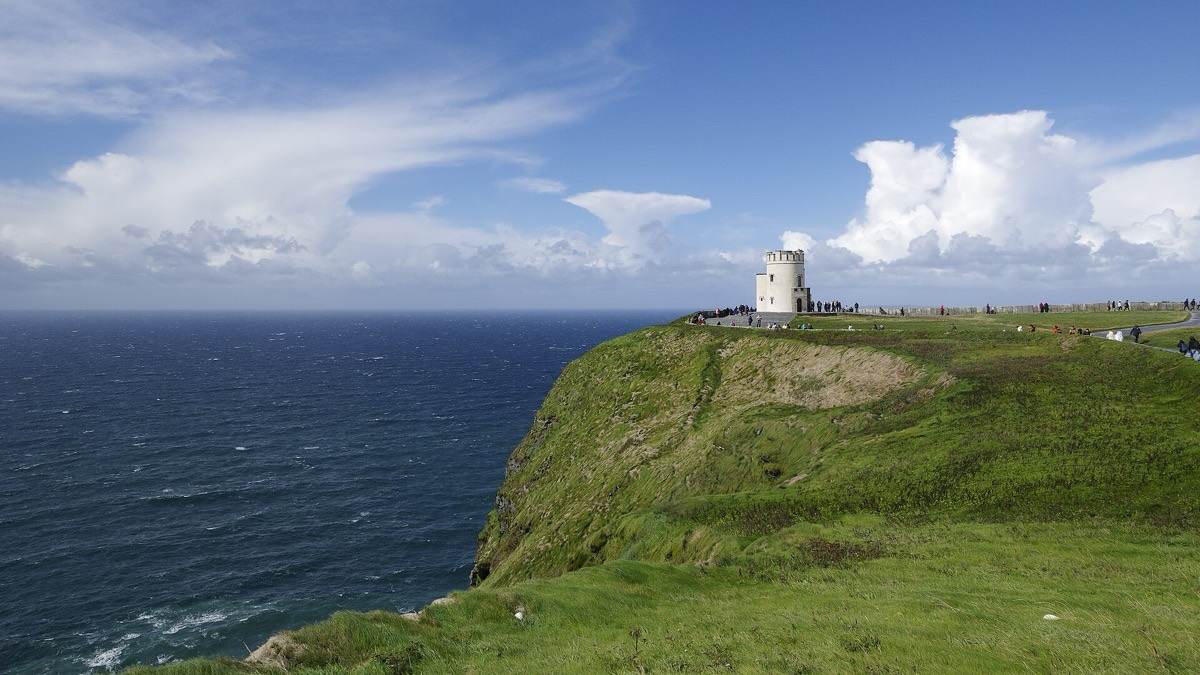
1 · The short answer
For the Camino Francés, buy Ringo Light's Spain plan and install it before you leave home: unlimited data at full speed across Spain, 2 weeks for $14.99 or 30 days for $26.99, with nothing that renews. Saint-Jean-Pied-de-Port is in France and not on the Spain plan, so the first morning is the one exception; the Europe plan covers both countries, 2 weeks for $22.99 or 30 days for $35.99. Most walkers take about five weeks from Saint-Jean, so plan on a 30-day plan and a 2-week one, $41.98 in all on the Spain plan.
What the phone does on the Camino is simple: it books the next bed, finds the next fountain, messages home and backs up the photos. What makes it hard is battery, crowded albergue Wi-Fi and a few stretches with no mast in sight. This guide takes the route stage by stage, then the habits that keep the phone useful for five weeks.
2 · The Spain plan or the Europe plan
The question is real only for the first day. Saint-Jean-Pied-de-Port is in the French Basque Country; the border is on the mountain, and you sleep in Spain from Roncesvalles on. Read from our catalogue when this page is built:
Swipe to compare →
- Arriving from the EU, your own SIM roams in France under roam-like-at-home, so the Spain plan is all you need: switch the eSIM's data on once you are over the pass.
- Arriving from the UK, the US or anywhere else, your own SIM charges roaming in Saint-Jean. Either live with Wi-Fi for one evening, or buy the Europe plan, which covers the French morning too.
- Walking the Camino Portugués instead, the Europe plan covers Portugal and Spain on one eSIM.
3 · Stage by stage
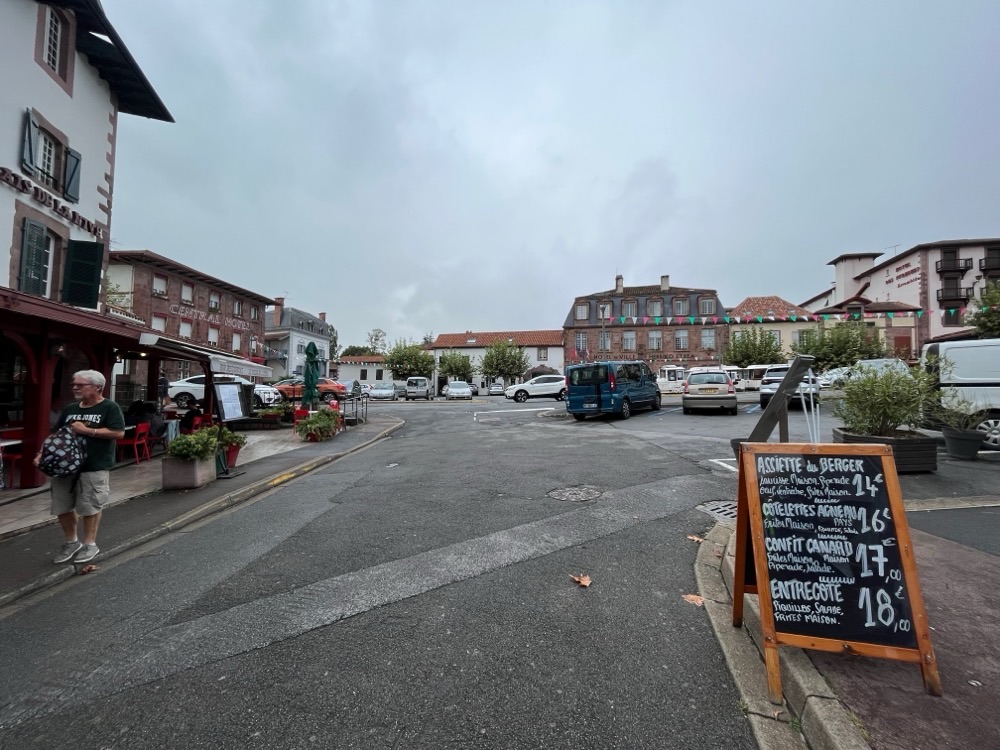
Saint-Jean-Pied-de-Port. The pilgrim office on the Rue de la Citadelle stamps your first credential, and most people book the first night in Roncesvalles before they arrive, because beds there are limited. Download the stage over the Pyrenees here, on the albergue's Wi-Fi. On the Route Napoléon, signal comes and goes, and in fog or snow the offline map is the one that matters.
Pamplona. The first city, three days in. Full city coverage, shops for a power bank if you forgot one, and the Plaza del Castillo for the first café con leche in a proper chair.

Alto del Perdón. The ridge of wind turbines a morning out of Pamplona, with the iron pilgrims everyone photographs. Usually good signal on top, which is why so many people call home from it.
Burgos. A little under two weeks in for most people, and a common rest day. The cathedral is worth the ticket; the city is a good place to sort out anything phone shaped before the meseta.

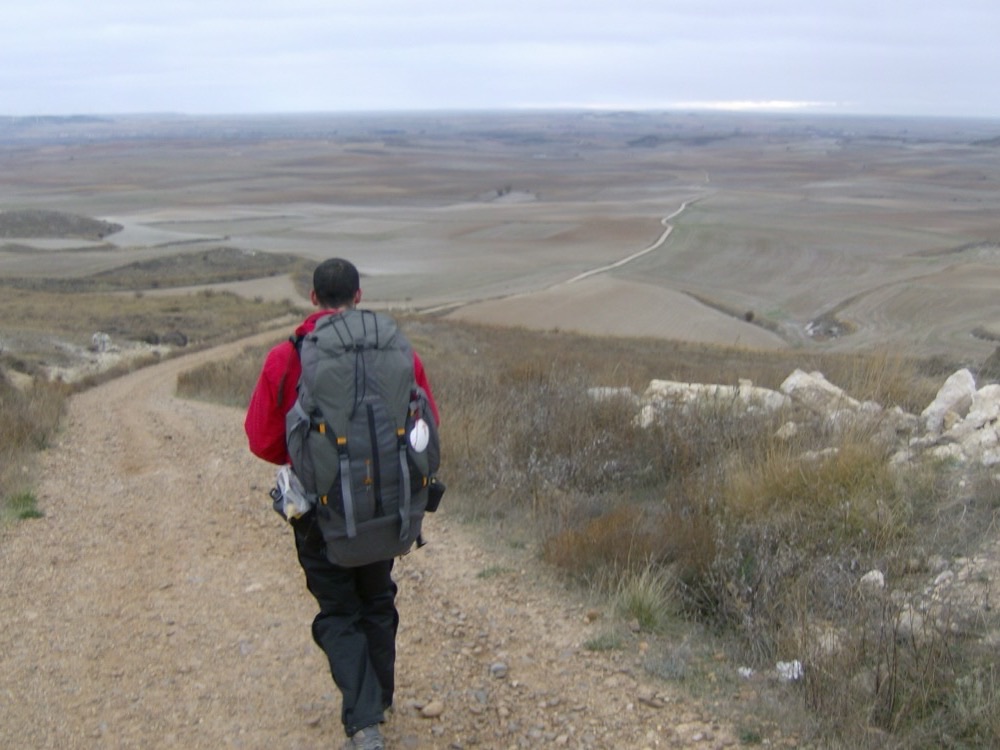
The meseta. From Burgos to León the land opens into wheat fields and long straight tracks, with villages far enough apart that signal can drop between them. It rarely matters on foot, but it matters if you planned to book tonight's bed from the trail at noon: do it in the village before.
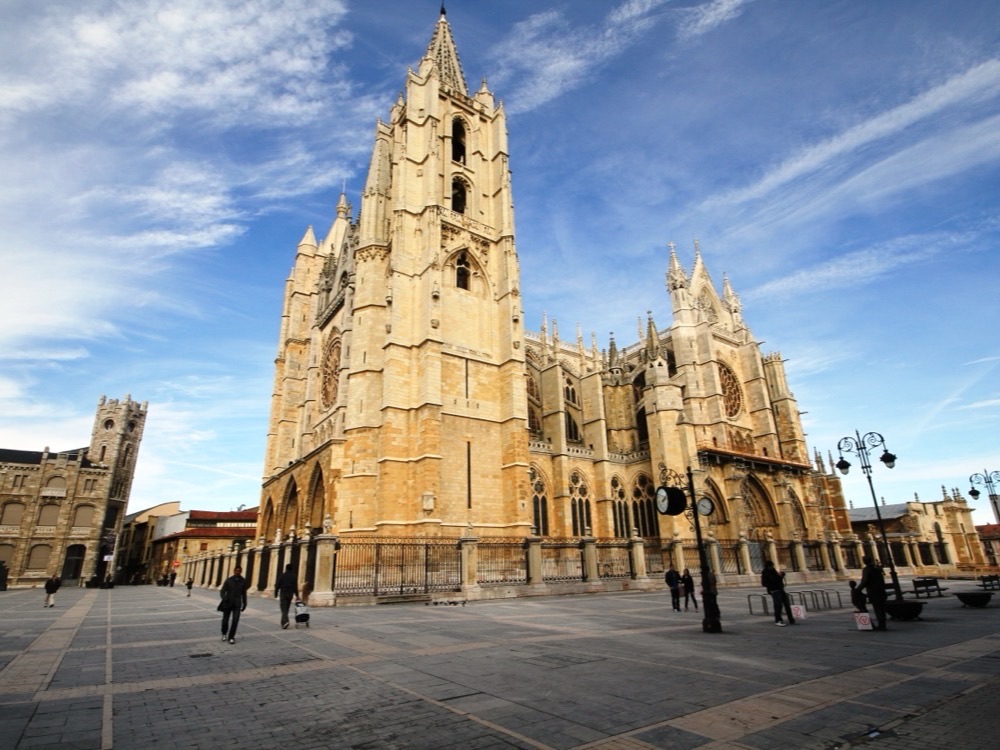
León. The second big city, with the stained glass of the cathedral and a choice of albergues in the old town. Full coverage, fast Wi-Fi in the cafés, and the place to back up three weeks of photos.
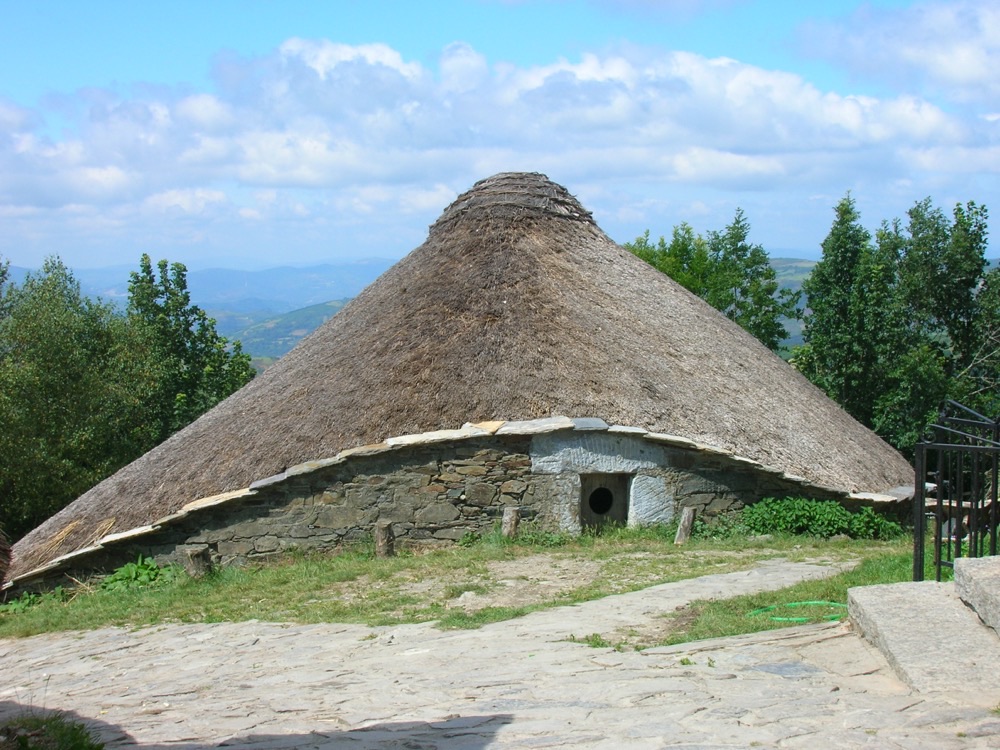
O Cebreiro. The steep climb into Galicia, a village of stone and thatched pallozas on top of the pass. Signal in the village is usually fine; on the climb and in the weather that often sits on the hill, it can thin out. From Sarria, a few days on, the last 100 km fill with new walkers and beds are worth booking ahead.
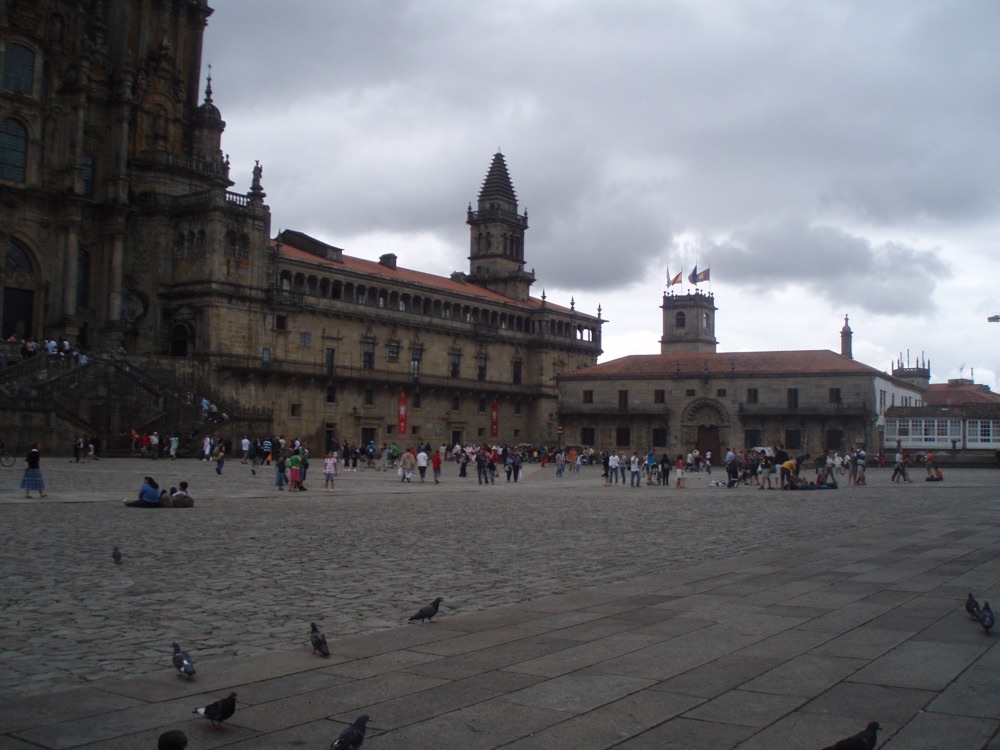
Santiago de Compostela. The Praza do Obradoiro, the cathedral, and the pilgrim office for the Compostela. The office has moved much of its queue onto your phone in recent years, so arrive with a working line and the battery above a third.
4 · Albergue Wi-Fi, offline maps and battery
- Albergue Wi-Fi is real but crowded. Most albergues have it. At seven in the evening forty pilgrims share it and it crawls. Let the photo backup run overnight on Wi-Fi; use mobile data for everything you need now.
- Offline maps first. Apps such as Buen Camino and Wise Pilgrim carry stage maps and albergue lists that work without a connection once downloaded; Google Maps and Maps.me let you save the whole route region. Check the offline option works before you leave home.
- Booking the next bed. Municipal albergues mostly work on arrival, first come first served. Private ones take bookings by phone, WhatsApp or a booking site, and in summer and on the last 100 km that is how you get a bed. This is what the data line is really for.
- Battery. Dorms have few sockets and many chargers. Carry a power bank, charge it at lunch stops, and walk with the screen off and the map on offline. Low power mode for the day, normal at night.
- Your own SIM. Keep it in the phone for your bank's text codes, with data roaming off so it cannot bill you; the eSIM carries the data. Our has the settings.
5 · How much data a month of walking uses
Less than people fear, as long as the heavy things wait for Wi-Fi. A walking day is messages, a few searches, tomorrow's booking and a map that is already offline. The evening is where it grows: a video call home, social feeds in the bunk, a film on a rest day. Photos are the big one if the phone backs them up on mobile data, so set the backup to Wi-Fi only.
On Ringo Light you get unlimited data at full speed for the length of the plan: 2 weeks for $14.99 or 30 days for $26.99, nothing that renews.
6 · What two weeks of unlimited data costs in Spain
Priced on the same day, 27 September 2026, for two weeks of unlimited data in Spain. The rivals sell 15 days; Ringo Light sells 2 weeks.
Swipe to compare →
The cheapest other brand was Ubigi, at $34.00. Every brand, every chart and the fine print are in .
7 · Which Ringo plan, and what it costs
Ringo Light is our own data eSIM, sold to fund the full Ringo, one plan that works everywhere with your own number ported onto it. Installed once, next to your own SIM.
- The Spain plan, from Roncesvalles to Santiago: 2 weeks for $14.99 or 30 days for $26.99, nothing that renews. A 30-day plan then a 2-week one is $41.98 for 44 days.
- The Europe plan, if you want the French morning covered too: 2 weeks for $22.99 or 30 days for $35.99. A 30-day Europe plan followed by a 2-week Spain plan is $50.98.
- The Global plan, if the Camino is part of a longer trip: $49.99 a month for 133 countries, renewing until you cancel.
The eSIM arrives by email within seconds. Install it at home on Wi-Fi, and turn Data Roaming on for it when you switch it on; that toggle is how a travel eSIM connects. Not sure your phone takes an eSIM? . Going on by train afterwards? Our covers the rest of Europe.