1 · The short answer
Buy one eSIM that covers both countries, install it on Wi-Fi before you fly, and drive across the border without touching your phone. Ringo Light's Americas plan covers the United States and Canada, plus Mexico, on one eSIM as a trip plan: unlimited data at full speed, 2 weeks for $37.99 or 30 days for $55.99, with nothing that renews. The honest caveat is the mountains: no network covers the backcountry, so download offline maps before you leave Seattle.
For a trip longer than a month, or one that flies on from Vancouver to somewhere else, the Global plan is $49.99 a month for 133 countries and renews until you cancel. The card to buy either is below this article.
2 · The loop, stop by stop
The classic version runs north from Seattle, crosses at Blaine, spends a few days in Vancouver, then drives the Trans-Canada over the mountains to Banff and comes back south through British Columbia. Ten days is tight; two weeks is comfortable.
Seattle. You land at Sea-Tac, airplane mode goes off, and the eSIM you installed at home joins an American network before you reach the rental desk. The car's navigation is optional; your phone with live traffic is not, because the I-5 out of Seattle on a Friday afternoon is its own trip.

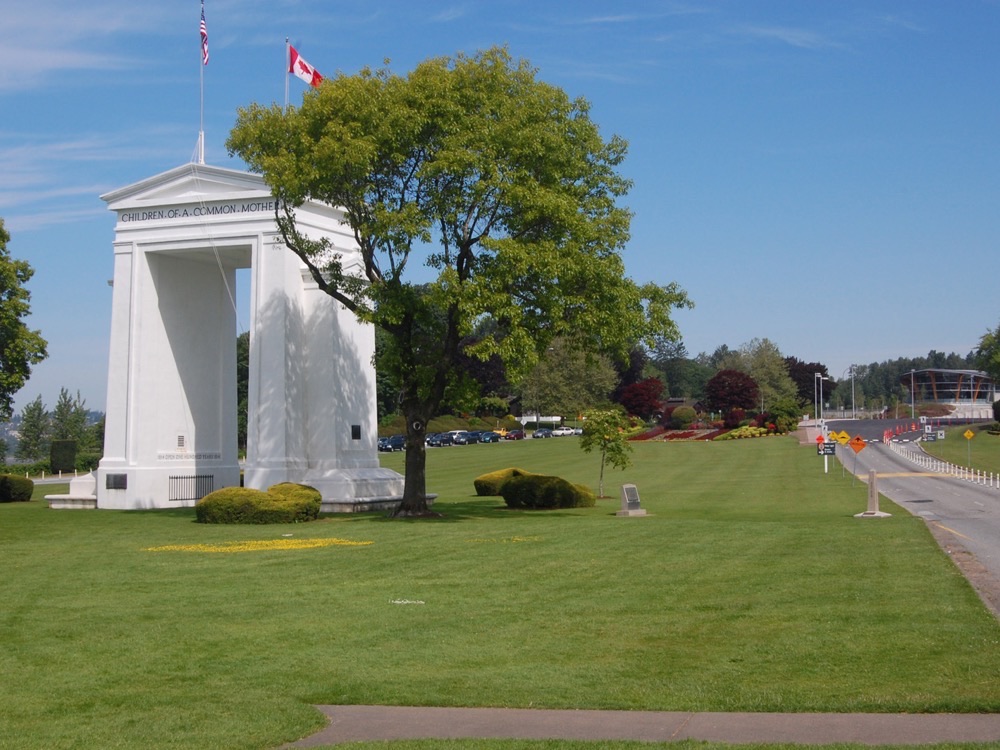
The border at Blaine. Two hours or so north on the I-5 is the Peace Arch crossing, the main road into British Columbia. Queue times swing from minutes to over an hour; both border agencies publish live waits, so check on data before you commit to a lane. Your phone does the rest: a few minutes after the booth, it hands over to a Canadian partner network.
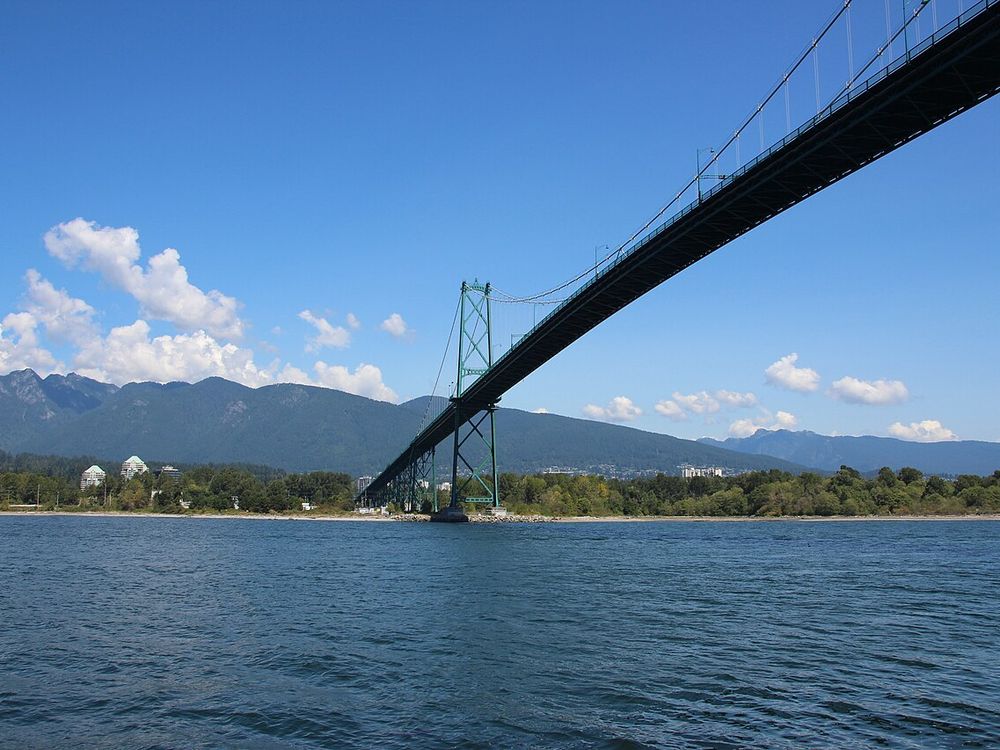
Vancouver. City coverage is excellent, and the city rewards a day on foot and a day on a bike round the seawall. Parking apps and transit fares want data; so does every restaurant that has replaced its menu with a QR code.
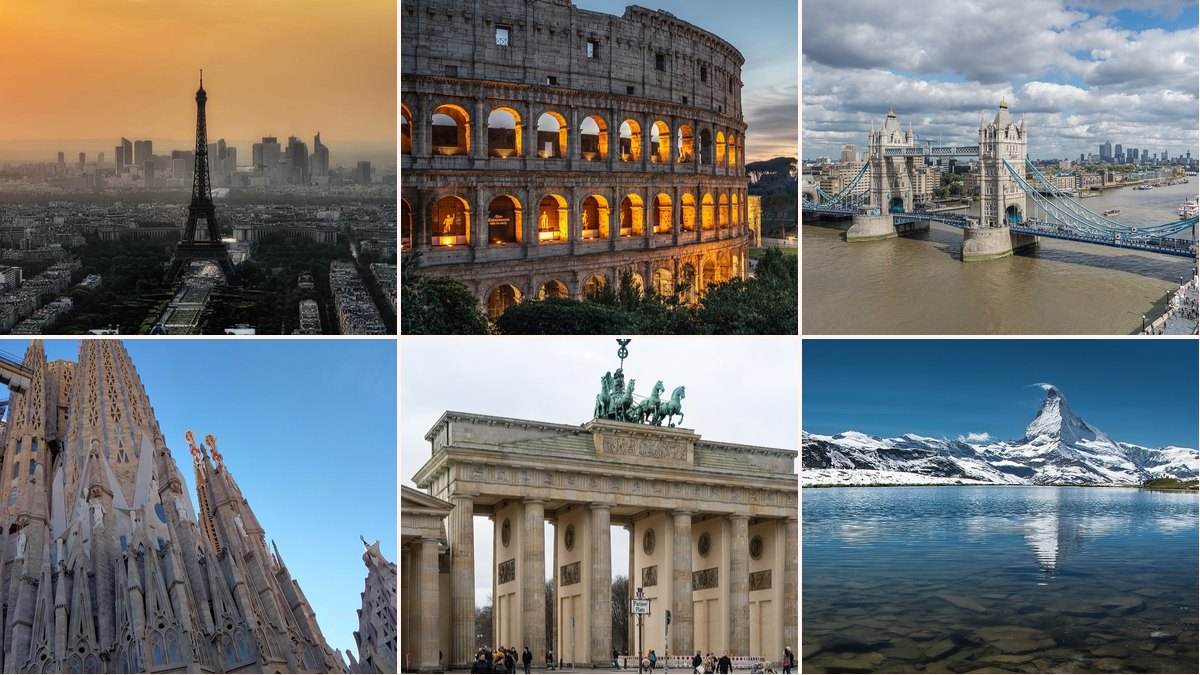
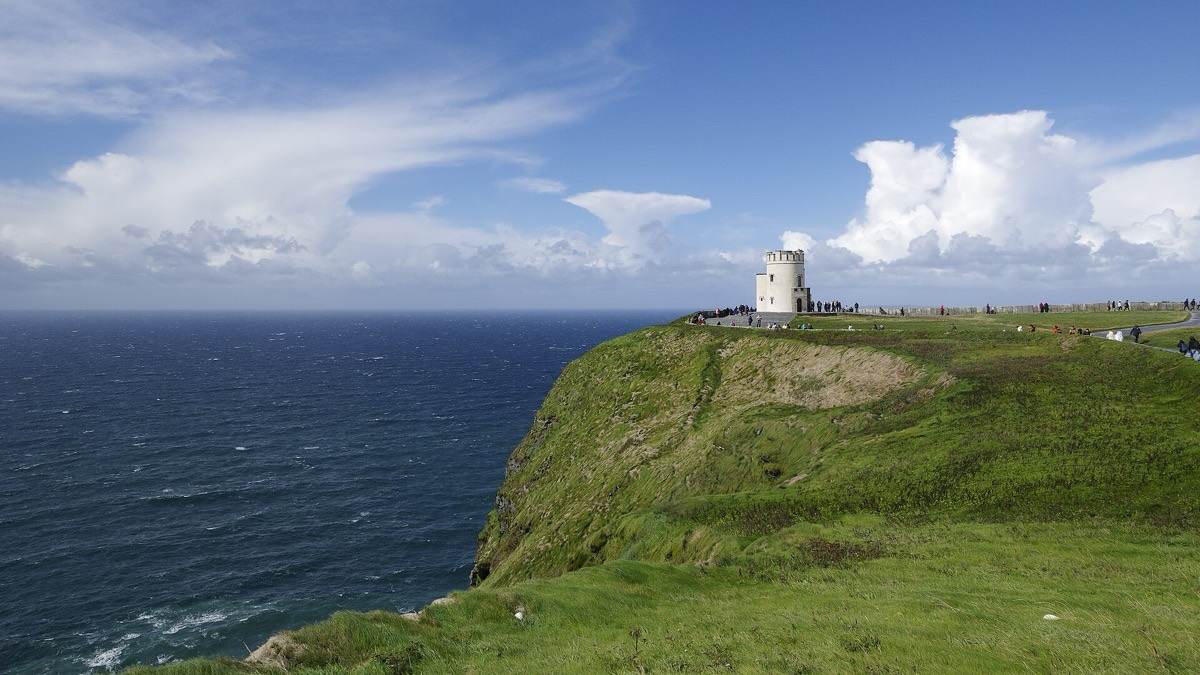
Over the mountains to Banff. The drive is a long day through Hope, Kamloops, Revelstoke and Rogers Pass, or two with a night in Revelstoke. Expect signal in the towns and gaps between them, longest in the passes. Banff itself is a connected town; at the lakes around it, like Moraine Lake in the picture at the top, signal comes and goes.
The Icefields Parkway. If you go on to Jasper, this is the road people fly across the world to drive, and for most of its length there is no mobile signal on any network. Fill the tank at Lake Louise, download the map, and tell someone your plan.
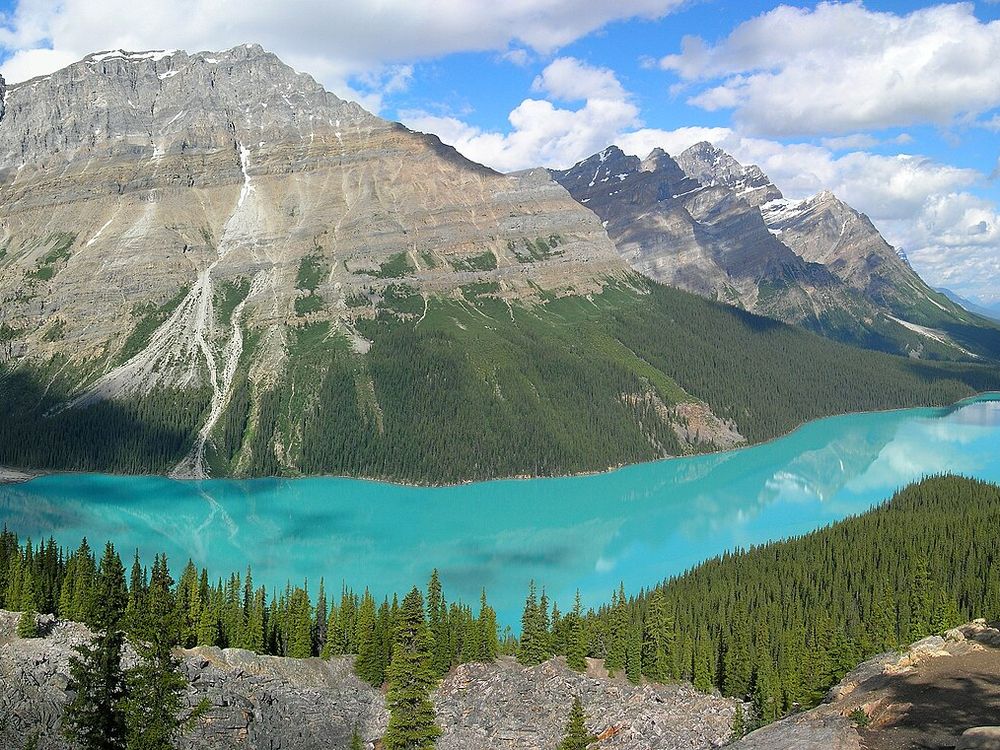
And back. South through the Okanagan and across at one of the smaller crossings into Washington, or back the way you came. The eSIM does the same thing at every crossing: nothing you need to touch.
3 · The longer versions
The same eSIM covers the rest of the road. Three extensions people add, and what they mean for your phone.
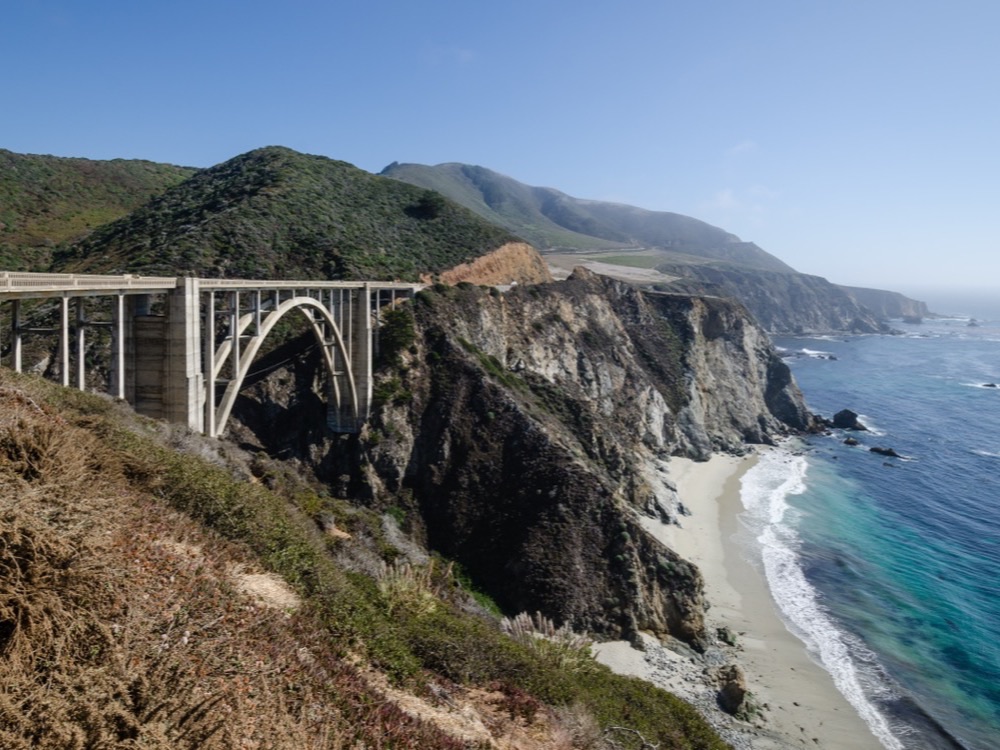
South on the Pacific Coast Highway. From Seattle it is a long day to the Oregon coast, then Highway 1 down California. Big Sur is the stretch to plan for: towns are far apart, the road hugs the cliffs, and signal drops for long stretches between Carmel and San Simeon.
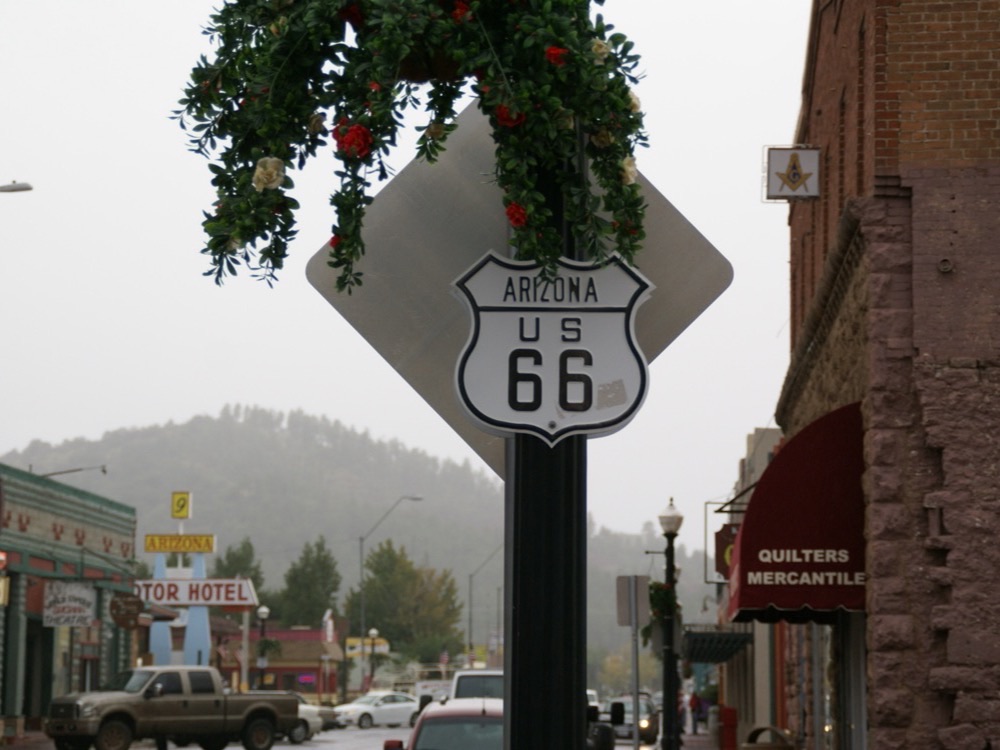
Route 66. Chicago to Santa Monica, or the Arizona part of it on its own between Williams, Seligman and Kingman. The towns are connected; the desert between them is patchier than the old road's fame suggests.
The eastern crossing at Niagara. Toronto to Niagara Falls, across the Rainbow Bridge, and on into New York State. The falls are a city on both sides, with full coverage, and the bridge works like Blaine: the phone changes network by itself a few minutes after the booth.

4 · Where the signal stops, and what to do about it
No eSIM fixes geography. North America is huge, the national parks are protected from masts on purpose, and the networks build where people live. Every SIM in your car, ours included, goes quiet in the same places. What changes the trip is preparing for it.
Swipe to compare →
- Download offline maps for the whole route before you leave the city, not the morning of the drive. Google Maps and Apple Maps both do it; a whole province takes a few hundred megabytes on Wi-Fi.
- Download your playlists and podcasts. Streaming stops at the same moment the map does.
- Screenshot every booking. The motel confirmation and the park pass load with no signal at all.
- For hiking, carry a satellite messenger. iPhones from the 14 on, and some recent Android phones, can reach emergency services by satellite in the United States and Canada; check what yours does before you rely on it.
5 · What happens to your phone at the border
Three ways to stay connected on a trip through both countries.
Swipe to compare →
If your own SIM is American or Canadian, check your plan before you buy anything: many include the other country. Visitors from Europe, the UK, Australia or Asia usually pay their carrier's roaming rate on both sides. With a travel eSIM, turn Data Roaming on for the eSIM, which is how it connects, and leave it off on your own SIM so your number keeps receiving calls and codes without a bill.
6 · How much data a road trip takes
Swipe to compare →
A driving day with music sits around 1 GB; downloaded playlists bring it well under. On Ringo Light you get unlimited data at full speed for the length of the plan: 2 weeks for $37.99 or 30 days for $55.99, nothing that renews.
7 · Which Ringo plan, and what it costs
Ringo Light is our own data eSIM, sold to fund the full Ringo, one plan that works everywhere with your own number ported onto it. Installed once, next to your own SIM. Your number stays on your own line for calls and messages; the eSIM carries the data.
- The Americas plan, for a road trip of up to a month through the United States and Canada: unlimited data at full speed, 2 weeks for $37.99 or 30 days for $55.99, nothing that renews. 3 countries on one eSIM.
- The United States plan, if the trip never crosses the border: 2 weeks for $17.99 or 30 days for $22.99.
- The Global plan, for a longer trip or one that keeps going: $49.99 a month for 133 countries, renewing until you cancel.
Pay by card, Apple Pay or Google Pay and the eSIM arrives by email within seconds. Install it on Wi-Fi before you fly, set it as your data line, and switch it on when you land.
The step-by-step is in our and .