1 · The short answer
A travel eSIM works on a cruise in port and close to shore, where it connects to the land networks of the country you are docked in. It does not work in open water, where the only signal is the ship's own maritime network, billed separately and expensively. So: eSIM on port days, airplane mode with Wi-Fi on at sea. For the Caribbean, Ringo Light's Caribbean plan covers 7 countries on one data eSIM, 2 weeks for $47.99 or 30 days for $90.99, with nothing that renews; for the Mediterranean, the Europe plan covers 33 countries, 2 weeks for $22.99 or 30 days for $35.99.
Which plan fits depends on the ports, not the sea, so section 5 checks three typical itineraries port by port against our catalogue.
2 · Port days and sea days
A cruise is two different trips for a phone, and they alternate.
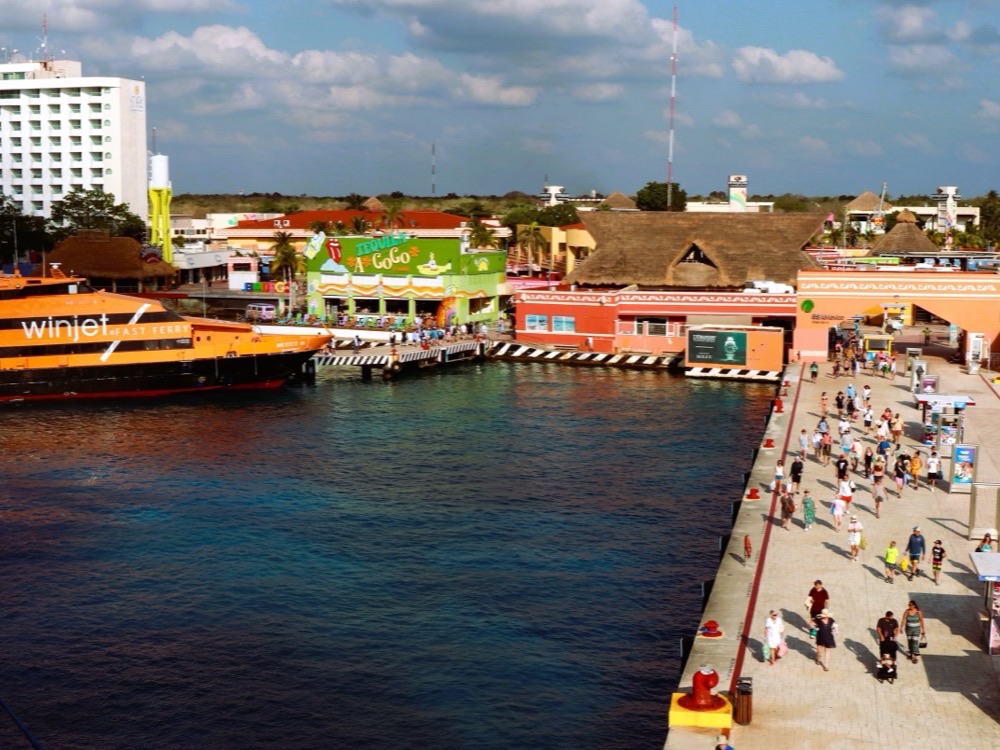
- Port days are ordinary travel. The ship is alongside or at anchor, land towers are in reach, and an eSIM that covers the country connects as it would in a hotel. This is when you want data most: maps for a few hours ashore, a taxi app, the excursion meeting point, the time the ship sails.
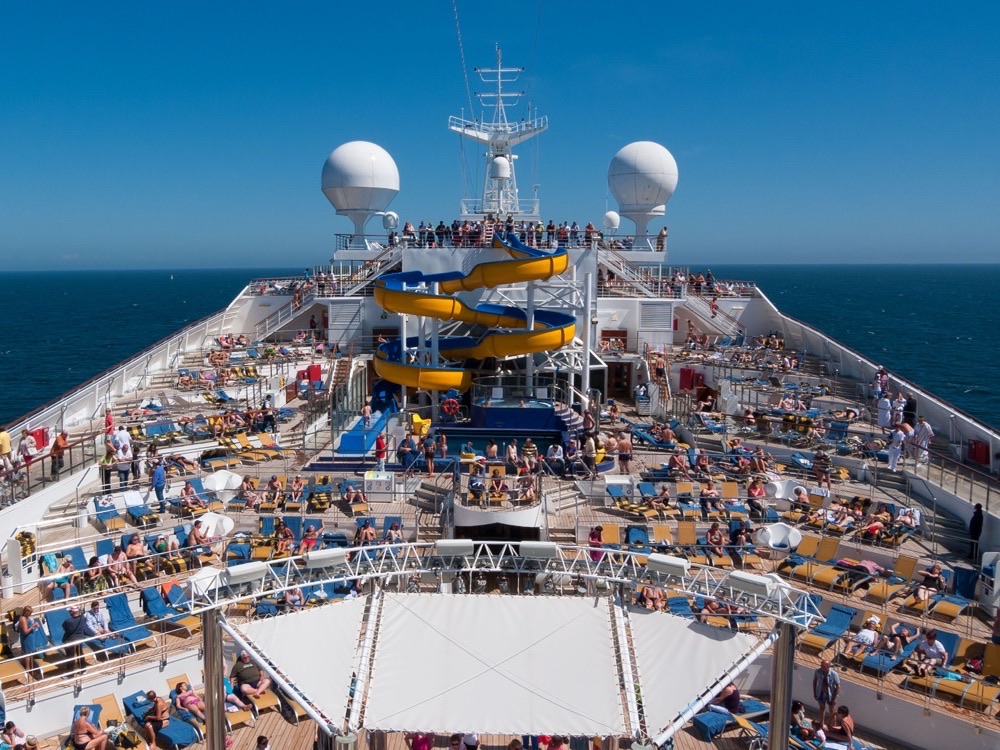
- Sea days are something else. A few miles off the coast the land signal fades, and in open water there is none. Your phone either finds the ship's maritime network or nothing at all.
- Sailing in and out is the grey zone. Close to shore the phone can flip between a land network and the ship's, and the phone does not tell you which one you are paying for.
So the plan length to buy is the length of the cruise, but the data you use is almost all on port days. A week in the Caribbean with four ports is four days of real use.
3 · The maritime network trap
Most large cruise ships carry a mobile network of their own: an onboard mast linked to shore by satellite, run by a maritime operator. It is switched on once the ship is far enough out, and it is the reason a phone at sea can show full bars hundreds of miles from land. The operator's name shows up in place of a land network; on many Caribbean ships it is something like Cellular at Sea.
Your home carrier treats that network as a roaming destination of its own, usually outside every roaming bundle and day pass you have, at rates well above ordinary roaming. Calls, texts and above all data are billed by the minute and the megabyte, and the bill arrives weeks after the cruise. A phone left on with data roaming on, quietly updating apps and backing up photos, is how the stories of four-figure bills start.
- Turn data roaming off on your own SIM for the whole cruise. Port days run on the eSIM anyway.
- Check the network name before you use data near a port. On iPhone it shows in Control Centre; on Android, in the SIM's page or the status bar. A land operator's name is fine; anything that names the sea or the ship is not.
- Do not count on a travel eSIM at sea. Plan on the eSIM working on land networks within reach of the coast, and not in open water.
4 · At sea: airplane mode, and whether to buy the ship Wi-Fi
The simplest safe setting for a sea day is airplane mode on, then Wi-Fi switched back on. Airplane mode cuts both lines off every mobile network, maritime included; Wi-Fi comes back on its own toggle, so the ship's Wi-Fi still works if you buy it, and the ship's own app usually works on its Wi-Fi without a package for the daily programme and onboard messaging.
Whether the ship's internet package is worth it is a fair question with no single answer. Packages are sold by the day or the voyage, often per device, and the price and speed vary by line and by ship; newer satellite links are much better than they were. If you need to work at sea, it is the only option. If you only want to post photos and read messages, waiting for the next port day and the eSIM is usually enough, and free once the plan is bought.
Two habits make port days go further: set your phone to download updates and back up photos on Wi-Fi only, and save offline maps of each port the night before.
5 · Which plan fits your itinerary, port by port
Below, three typical itineraries checked against our catalogue. The tables are read from the same coverage lists the eSIM is sold from, so they are current on the date at the top of this page.
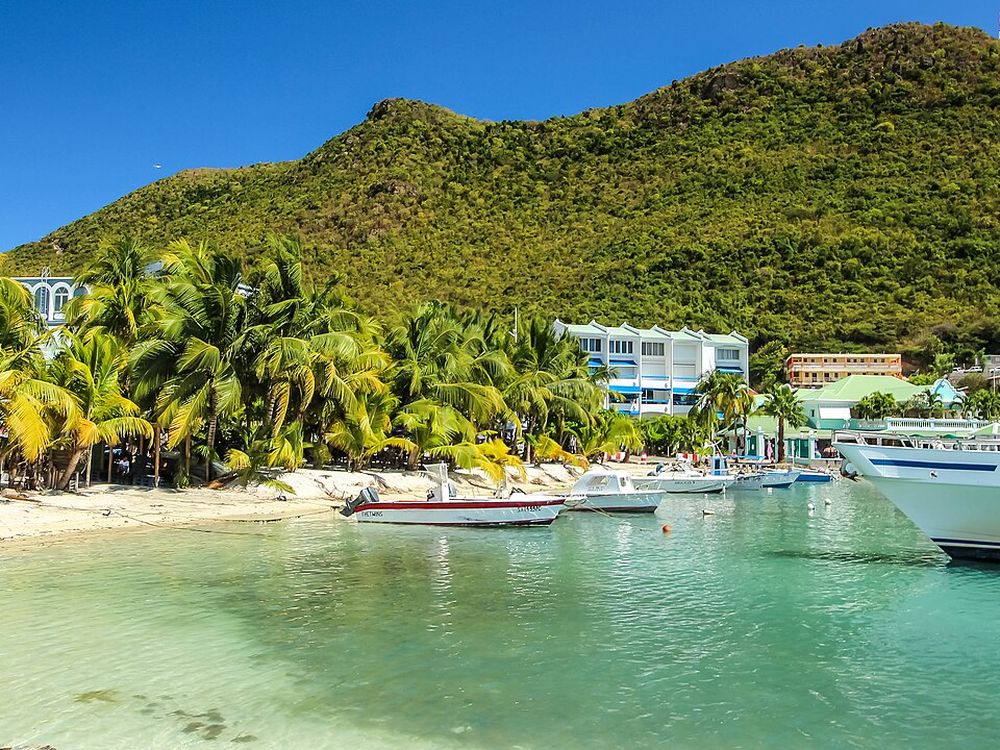
Eastern Caribbean: the Caribbean plan covers 3 of the 4 ports. Charlotte Amalie, St Thomas (US Virgin Islands) is not on it; the US Virgin Islands have a trip plan of their own, 2 weeks for $22.99 or 30 days for $35.99.
Swipe to compare →
Note the reverse case: Philipsburg, St Maarten and Charlotte Amalie, St Thomas are not on Global, so on this route Global is not the safe catch-all it is elsewhere.
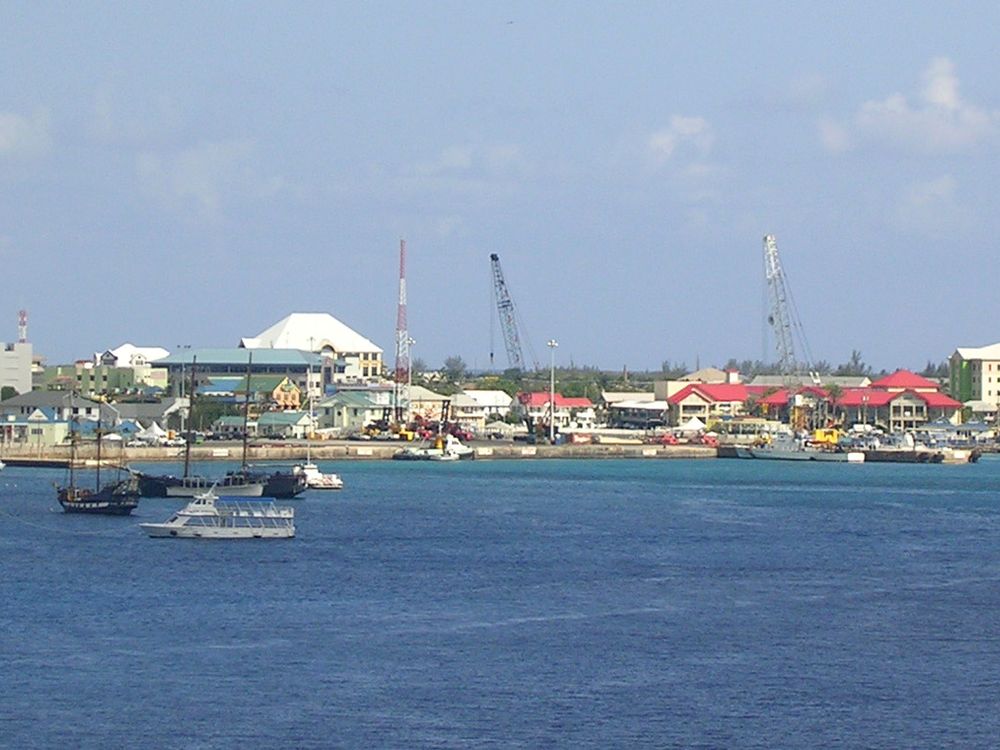
Western Caribbean: the Caribbean plan covers 2 of the 4 ports. Cozumel (Mexico) and Roatán (Honduras) are not on it; both are on the Global plan.
Swipe to compare →
Here the Global plan is the one eSIM that covers every port: $49.99 a month for 133 countries, renewing until you cancel, so cancel after the cruise if you do not want it again.
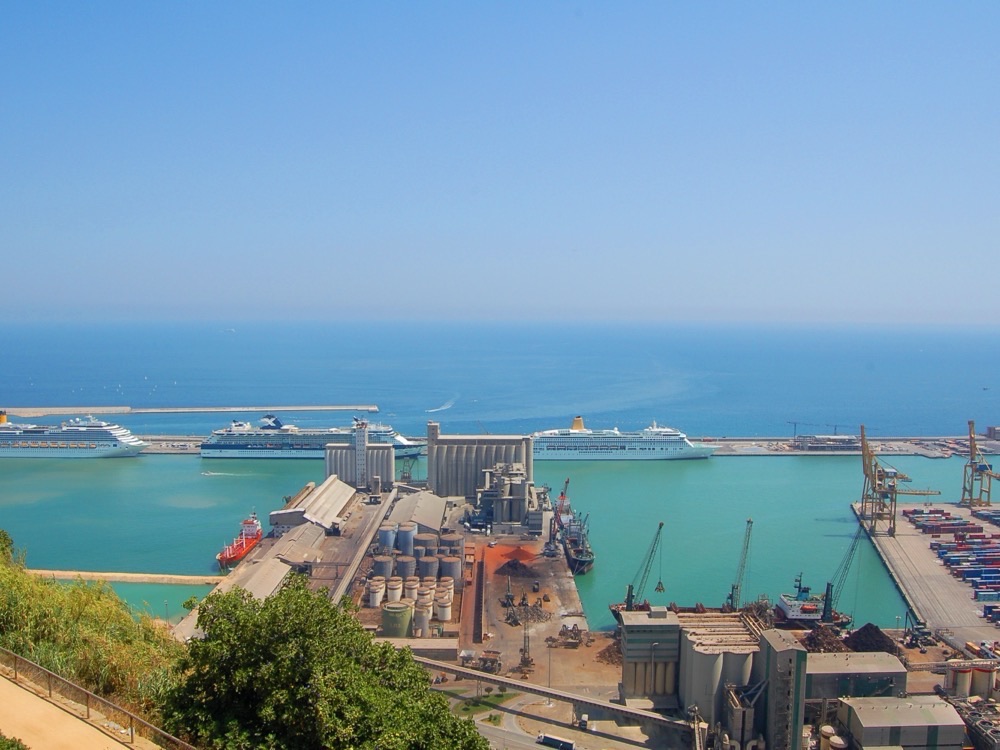
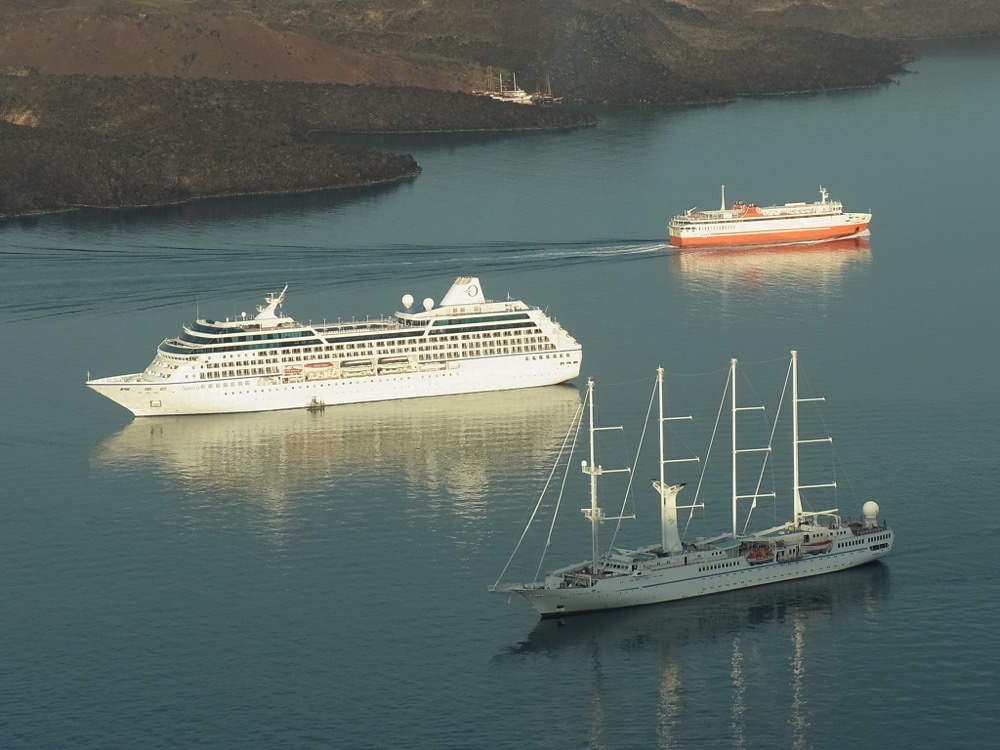
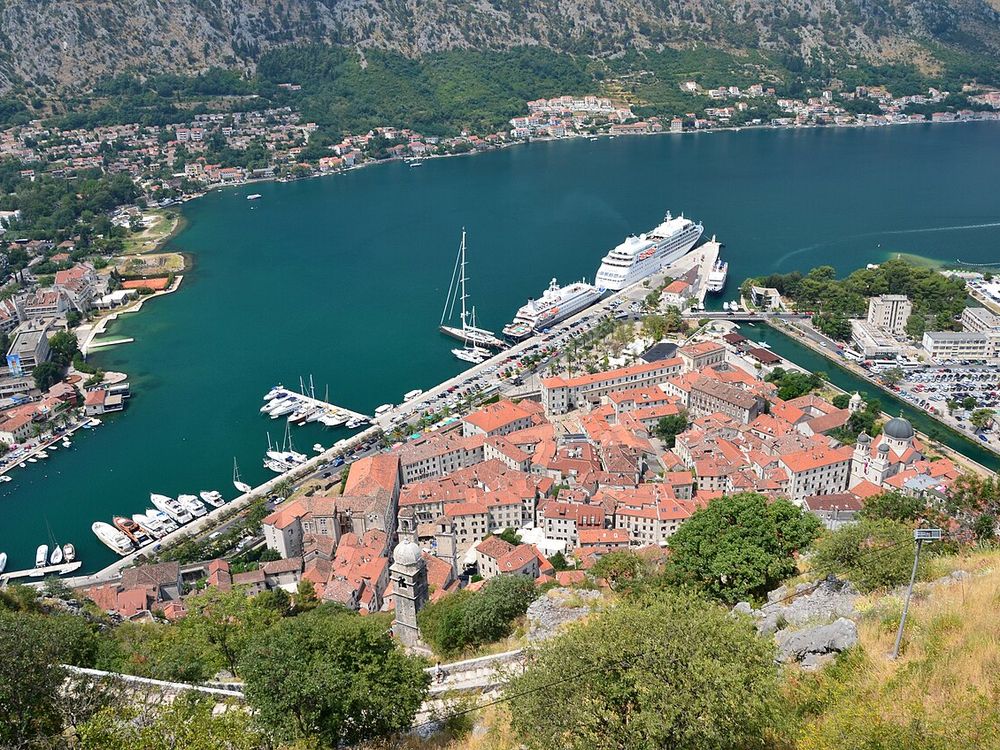
Mediterranean: the Europe plan covers 6 of the 8 ports. Kotor (Montenegro) and Kuşadası (Turkey) are not on it; both are on the Global plan.
Swipe to compare →
6 · Which Ringo plan, and what it costs
Ringo Light is our own data eSIM, sold to fund the full Ringo, one plan that works everywhere with your own number ported onto it. Installed once, next to your own SIM: your number stays on your own line for calls and messages, and the eSIM carries the data on port days.
- The Caribbean plan, for a route whose ports are on it: unlimited data at full speed, 2 weeks for $47.99 or 30 days for $90.99, nothing that renews. 7 countries on one eSIM.
- The Europe plan, for a Mediterranean or Northern European cruise: 2 weeks for $22.99 or 30 days for $35.99, 33 countries.
- The Global plan, for a Western Caribbean route, a world cruise, or ports on several continents: $49.99 a month for 133 countries, renewing until you cancel.
Pay by card, Apple Pay or Google Pay and the eSIM arrives by email within seconds. Install it at home on Wi-Fi, not on the ship's. Set it as your data line and turn Data Roaming on for it; turn Data Roaming off on your own SIM. The plan starts the first time the eSIM connects in a covered country, which is usually your first port.
If it does not connect on the pier, our go in the order that solves it fastest, and the covers keeping your own number for texts and codes.