1 · The short answer
For island hopping in Greece, buy Ringo Light's Greece plan before you fly: one data eSIM that works in Athens, on the ferries near port and on every island, with unlimited data at full speed for 2 weeks for $14.99 or 30 days for $26.99, with nothing that renews. It sits next to your own SIM, so your number stays on your own line for calls and texts. The plan has its own page at ringoesim.com/greece.
Greece is on the Europe plan too, at 2 weeks for $22.99 or 30 days for $35.99. For a trip that stays in Greece the Greece plan is the cheaper buy; the Europe plan is the one to pick if the trip runs on by sea to Italy.
The route below is the classic one: Athens and the port of Piraeus, then Mykonos, Paros, Naxos, Santorini and Milos in the Cyclades, and Crete to finish. What changes for your phone is not the islands, it is the water between them.
2 · What two weeks of unlimited data costs in Greece
On 27 September 2026, 2 weeks of unlimited data on Ringo Light cost $14.99, against $36.00 for Ubigi's 15 days, the next cheapest that day. Here is the whole chart from our comparison, every brand priced on the same day:
Swipe to compare →
US dollars, 27 September 2026. The rivals sell 15 days, Ringo Light 2 weeks. Ubigi's 15 days is 30 GB at full speed, then 2 Mbps. Nomad sells no 15-day unlimited.
What unlimited means at each brand, the month and the bucket prices, and which network each one rides are in the best eSIM for Greece.
3 · The route, island by island
Athens and Piraeus. You land at Athens airport, switch airplane mode off and the eSIM joins a Greek network within a minute or two. Most Cyclades ferries leave from Piraeus, some from Rafina, which is closer to the airport. Both ports are busy and confusing, with the gates for each company spread along the quay, so have the booking and the gate number on the phone before the taxi drops you.
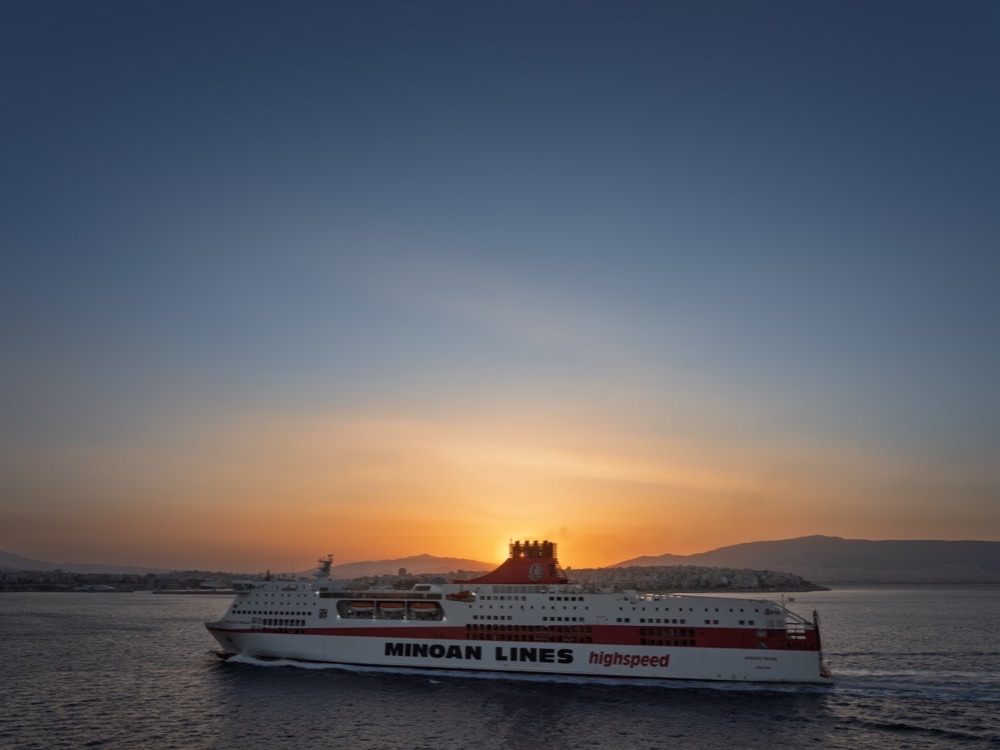

Mykonos. Busy, well covered and expensive. The town, the beaches on the south coast and the port all have good signal; the fast boats from Piraeus take about two and a half hours.
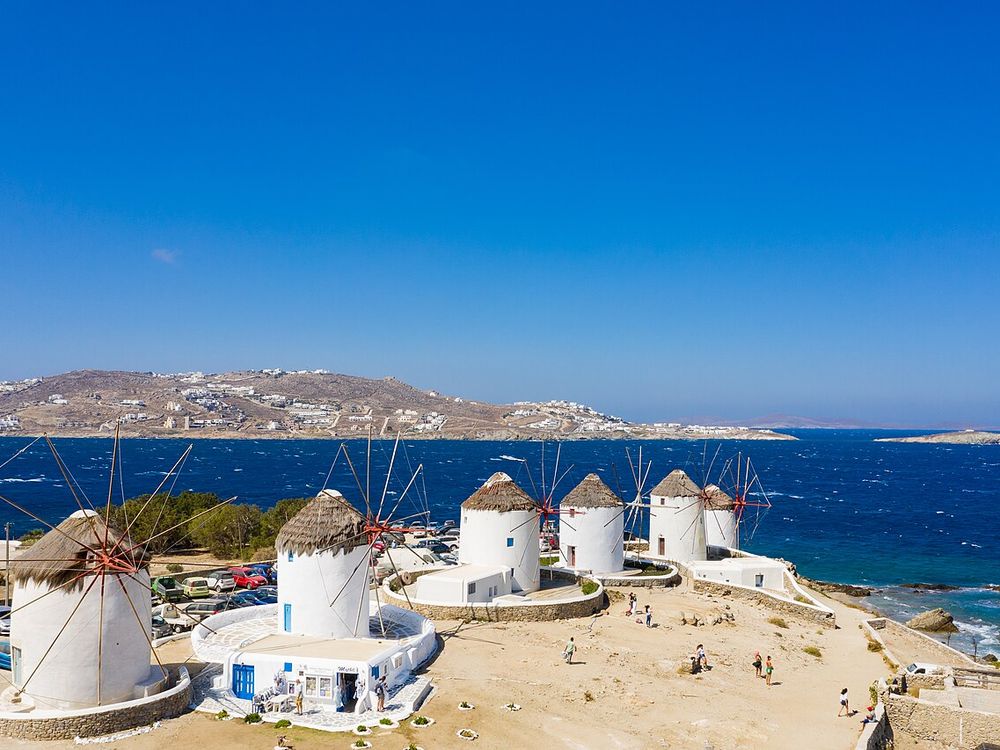
Paros and Naxos. The middle of the Cyclades and the easiest islands to hop between, with several boats a day in summer and a crossing short enough to keep signal most of the way. Naxos is big enough for a hire car; the mountain villages inland have weaker coverage than the coast.
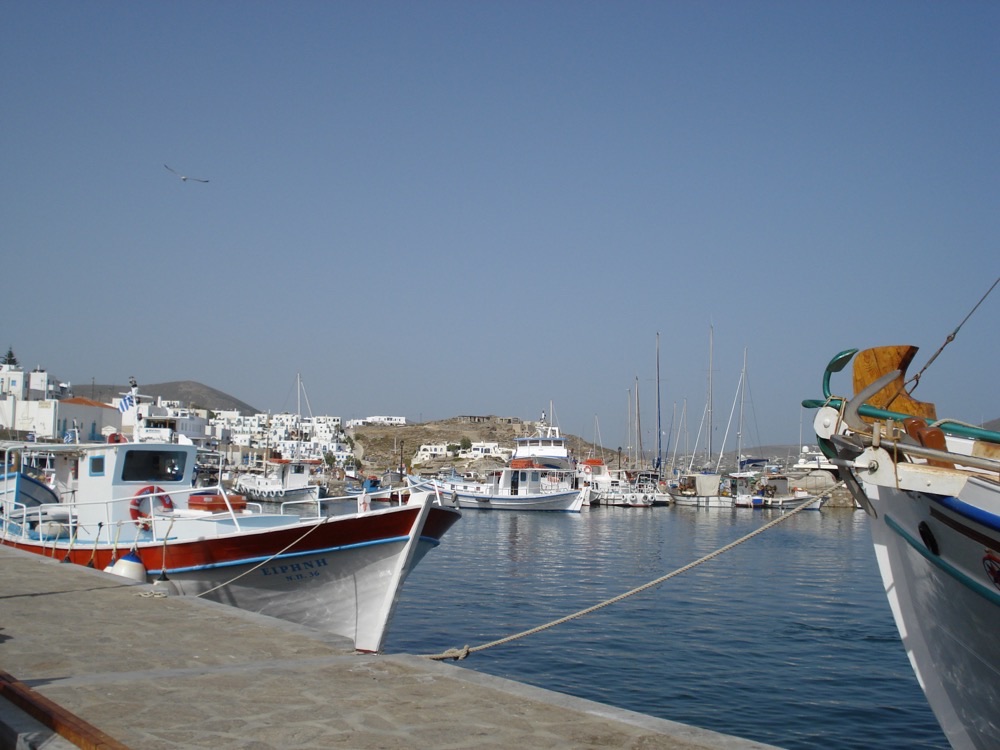

Santorini. The caldera villages are well covered. The ferry port at Athinios sits at the bottom of a cliff road, and the scrum of buses and taxis there is where a working map and a ride booked in advance pay for themselves.
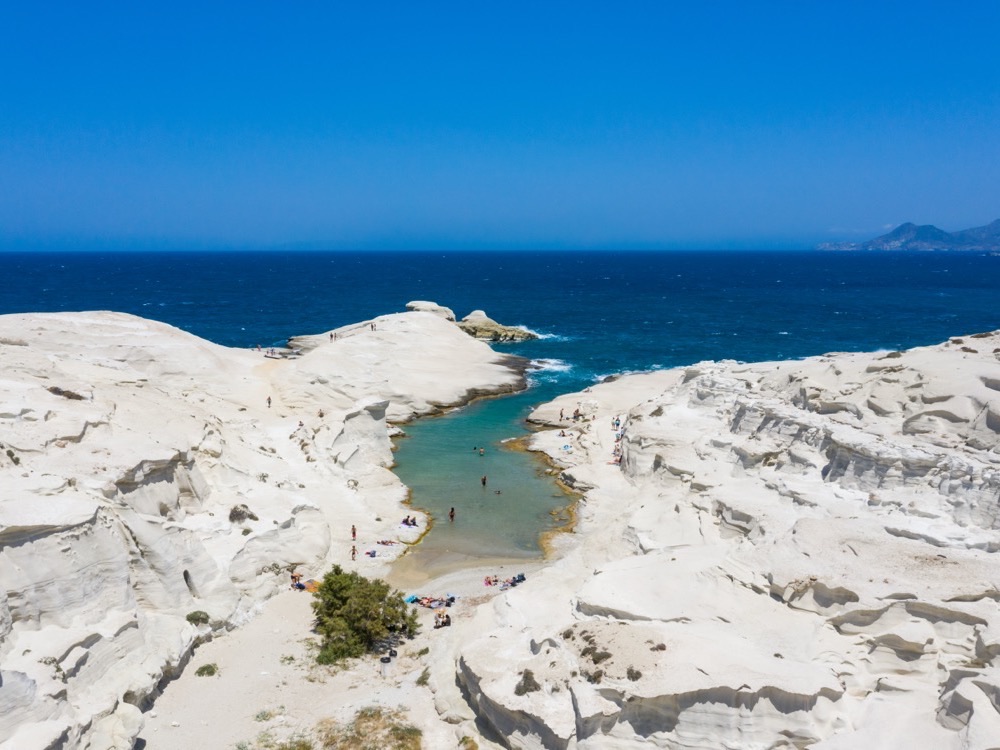
Milos. Quieter, with a small airport and boats to Piraeus and the other Cyclades. The famous beaches are reached on dirt roads, and some of the coves on the far side of the island have little or no signal: download the map of the island before you set off.
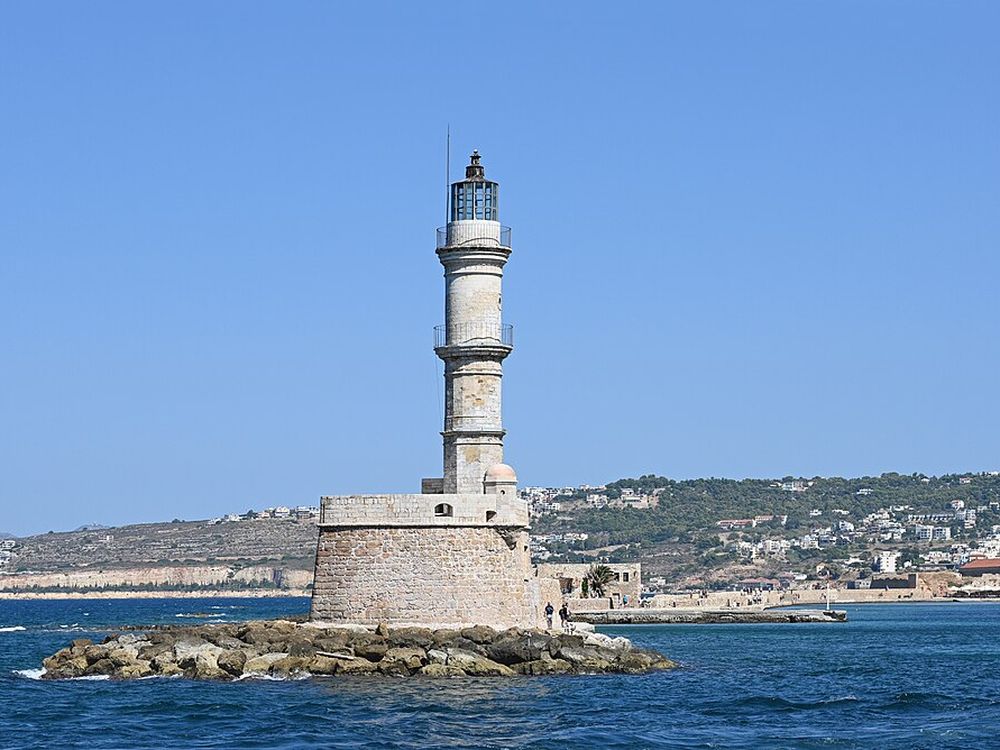
Crete. Big enough to need days, with ferries into Heraklion from Santorini and the Cyclades, and the overnight boats from Piraeus to Heraklion and to Chania. Coverage is good along the north coast; the gorges and the south coast are patchier.
4 · On the ferry: where the signal stops
The phone uses masts on land. Leaving port it holds on to the island's network for a while, then the signal fades in open water and comes back as you approach the next island. On a short hop such as Paros to Naxos the gap is short or there is none; on a long route such as Piraeus to Santorini, expect stretches of an hour or more without a network.
- Book and download tickets on land. Buy the ticket in the app or on the website while you have signal, download the boarding pass, and screenshot it as well. Do not count on loading it at the gate or on board.
- Watch for messages before you leave the hotel. In a strong summer meltemi wind boats run late or are cancelled, and the operator texts or emails the change. Check before you set off for the port, not on the quay.
- Mind the ship's own network. Some ships sell Wi-Fi, and some larger ones carry a satellite mobile network that bills like roaming on most SIMs. Turn your own SIM's data roaming off; your travel eSIM carries the data.
- Offline everything. The map of the next island, the hotel's address and the way from the port, downloaded before you board.
When the boat docks, the eSIM finds the island's network on its own within a minute or two; if it has not by the time you walk off, toggle airplane mode once.
5 · Heat, battery and a beach day
A Greek summer is hard on phones. In direct sun on a beach or a dashboard, a phone can overheat and dim the screen, stop charging or switch itself off until it cools. That is the phone protecting its battery, not the eSIM failing. Keep it in a bag in the shade, never in a parked car, and carry a power bank; maps, photos and the heat together drain a battery by mid afternoon.
A beach day sits well under 1 GB. On Ringo Light you get unlimited data at full speed for the length of the plan: 2 weeks for $14.99 or 30 days for $26.99, nothing that renews.
6 · Which Ringo plan, and what it costs
- The Greece plan, for a trip that stays in Greece: 2 weeks for $14.99 or 30 days for $26.99, nothing that renews. ringoesim.com/greece
- The Europe plan, for a trip that carries on to Italy (the overnight ferries from Patras and Igoumenitsa to Bari, Brindisi and Ancona): 2 weeks for $22.99 or 30 days for $35.99, 33 countries. ringoesim.com/europe
- The Global plan, for longer than a month or a route beyond Europe: $49.99 a month for 133 countries, renewing until you cancel.
Pay by card, Apple Pay or Google Pay and the eSIM arrives by email within seconds. Install it at home on Wi-Fi, switch its data on when you land, and turn Data Roaming on for it; that toggle is how a travel eSIM connects. Not sure your phone takes an eSIM? Which phones support eSIM has the 30-second check, and if the islands are part of a longer trip by train, see eSIM for Interrail.