1 · The short answer
Día de Muertos falls on 1 and 2 November every year, and Mexico City's Gran Desfile in 2026 is on Saturday 31 October 2026 at 14:00, along Paseo de la Reforma to the Zócalo. For the trip, buy one data eSIM before you fly and install it on Wi-Fi at home. Ringo Light's Mexico plan covers the whole country, from the parade on Reforma to the cemeteries of Oaxaca and the lake at Pátzcuaro: unlimited data at full speed, 2 weeks for $42.99 or 30 days for $57.99, with nothing that renews. The plan is at ringoesim.com/mexico.
Mexico is also on the Latin America plan (18 countries, 2 weeks for $47.99 or 30 days for $65.99) and on the Americas plan (3 countries, 2 weeks for $37.99 or 30 days for $55.99). The Americas plan costs less than the Mexico plan for the same lengths and includes Mexico, so if price is what matters, buy it instead. They are at ringoesim.com/americas.
Visitors from the US and Canada may find Mexico in their own carrier's plan; check the daily charge and the speed before you rely on it. EU and UK SIMs roam in Mexico at roaming prices, so an eSIM for data is the usual answer. The card to buy the Mexico plan is below this article.
2 · The dates, and why the days around them matter
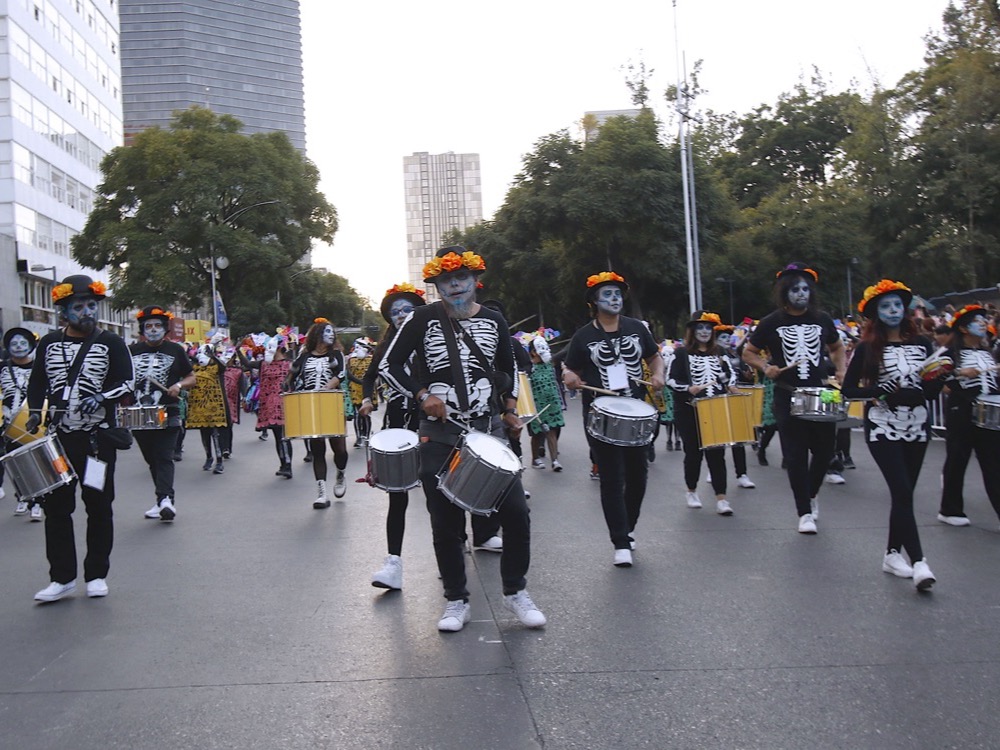
The two days are fixed: the first of November for the children who have died, the second for the adults. The vigils in the cemeteries run through the nights around them, and the altars, the marigold markets and the city events start in the last week of October. Mexico City's parade is the one thing on a set Saturday; for 2026 the city's guide gives Saturday 31 October 2026, 14:00, along Paseo de la Reforma to the Zócalo.
So the trip is longer than the two days. A week from the parade weekend to the second of November is the usual shape, which is why the plan that covers the whole stay matters more than the one that covers a night.
3 · Mexico City: the parade, the Zócalo and getting home
Reforma and the centre have good coverage on every network. What a parade does is put a very large crowd on one street, all filming at once, and data slows to a crawl when the floats go by. Three things that help:
- Agree a meeting point. A corner, a statue, a café, chosen before you arrive. Messages arrive late in a crowd; a plan does not.
- Upload later. Shoot now, send the video from the hotel. It saves battery as well as patience.
- Walk out before you book a car. Uber and DiDi both run in Mexico City and both need data, but the streets round the route are closed. Walk a few blocks clear of the crowd, then book.
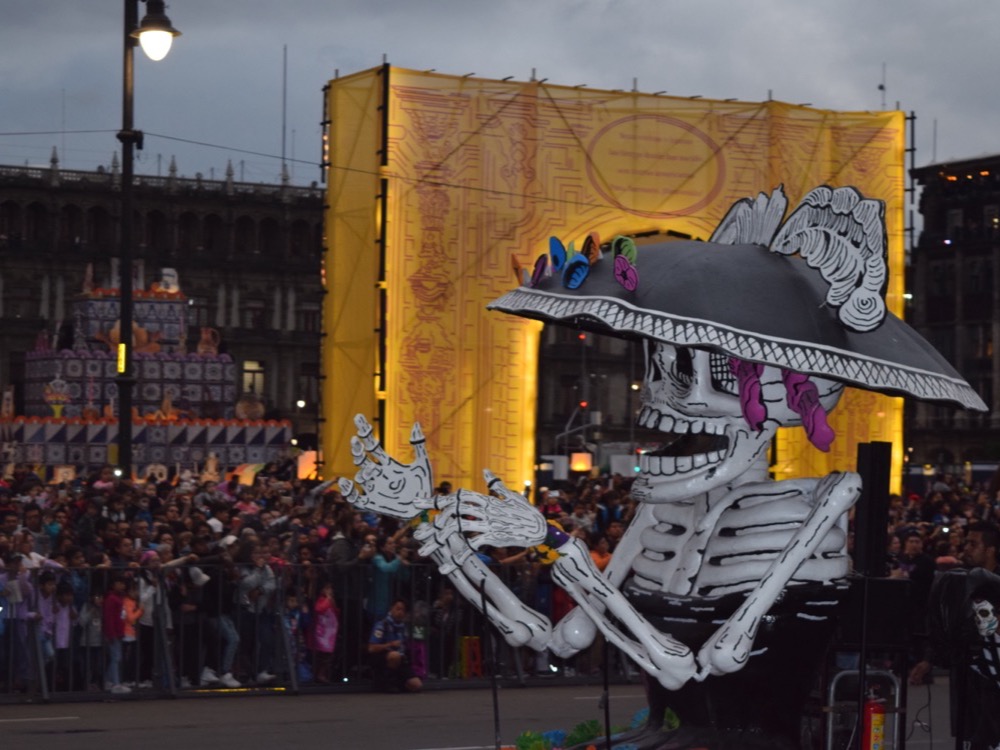
The metro is the fastest way across the city and carries signal in many stations; the car is easier late at night. Either way, the map wants data, and a phone that dies at the Zócalo is a long walk home. Bring a power bank.
4 · Mixquic
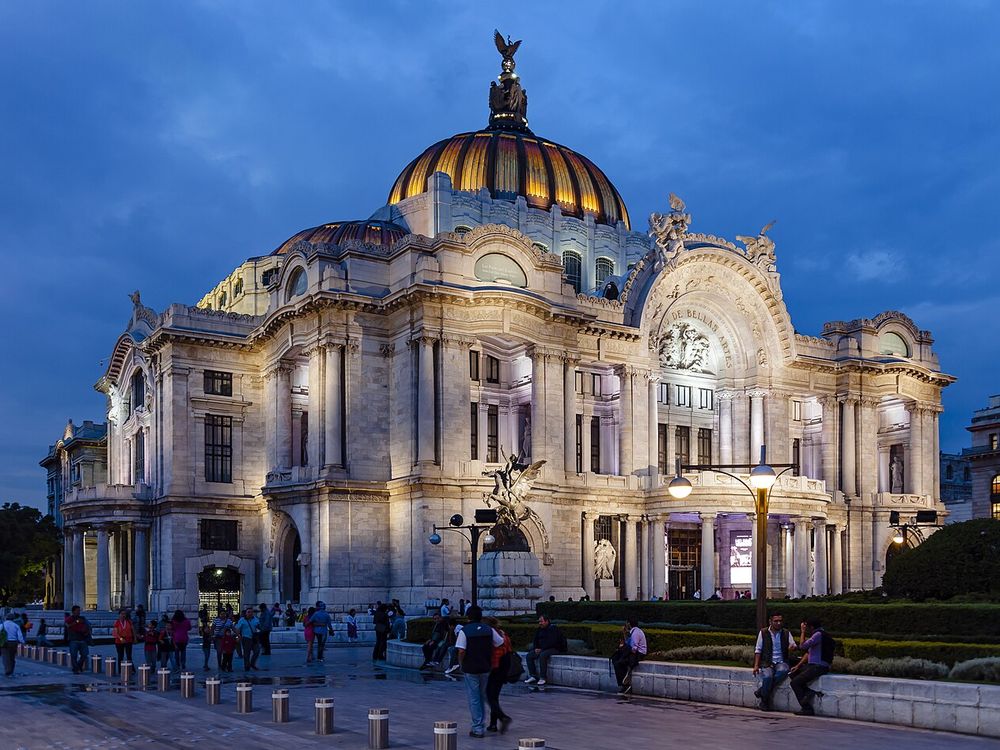
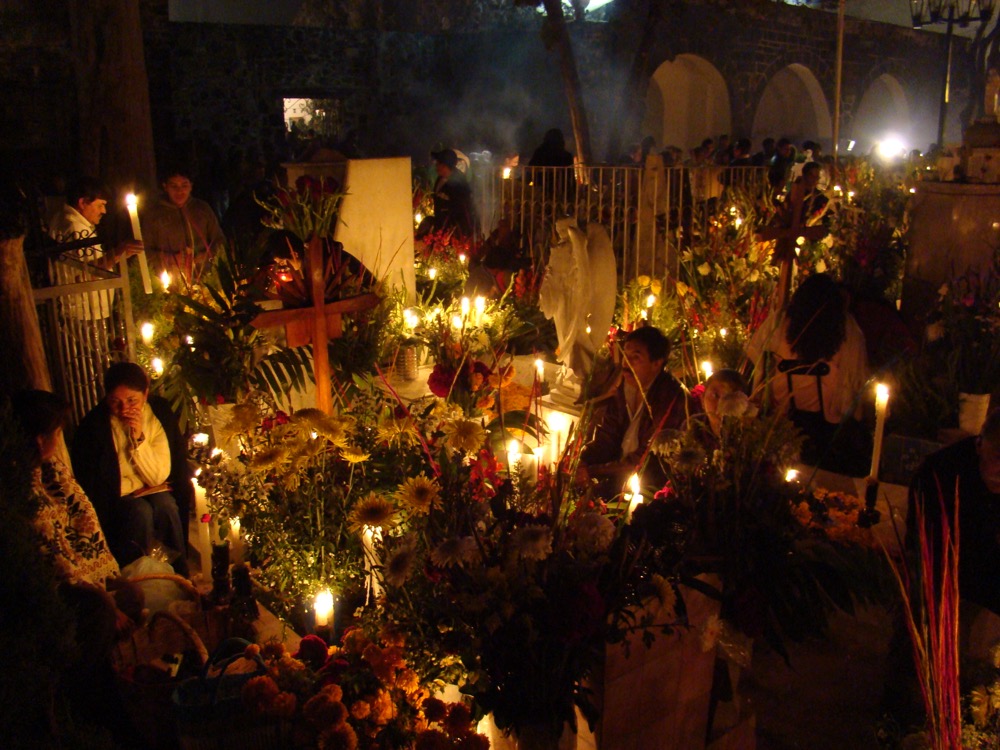
San Andrés Mixquic, in the borough of Tláhuac at the south-eastern edge of the city, is where people from the capital go for a village celebration: the cemetery round the church lit with candles, the market selling bread and flowers. It is a long ride from the centre and the roads in are slow on the night itself, so book the car back before you lose patience, or go with a tour that brings you home.
5 · Oaxaca
Oaxaca is the other great centre of the celebration: comparsas, the street processions with brass bands, wind through the old town, and families keep vigil in the cemeteries round the city. The Panteón de Xoxocotlán is the best known and the one most visitors are taken to at night.
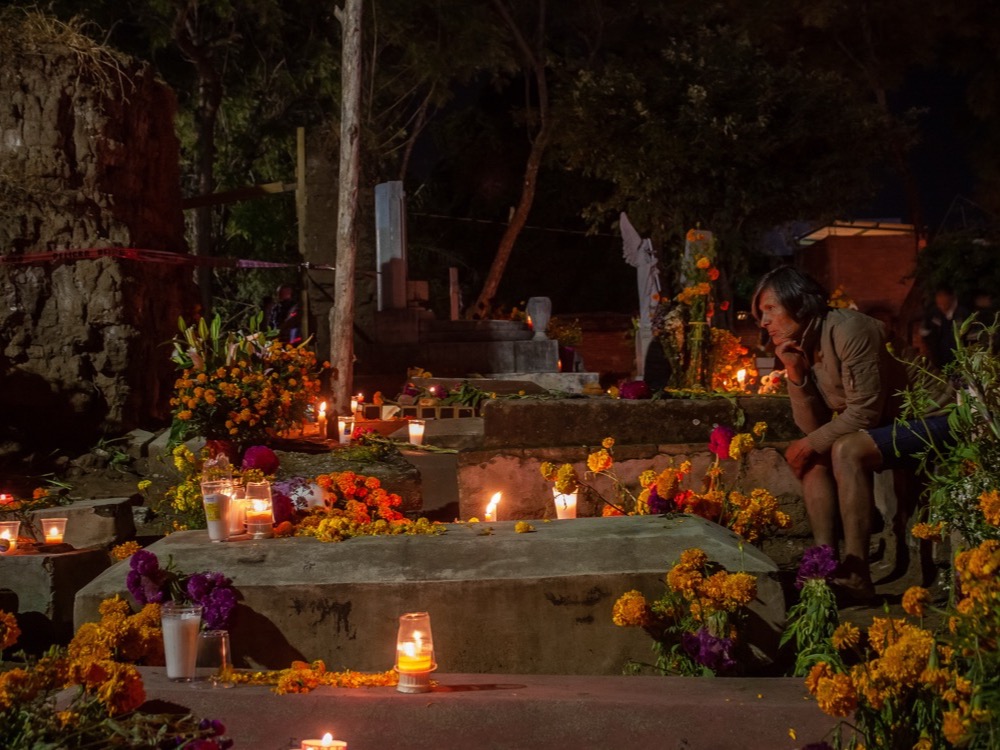
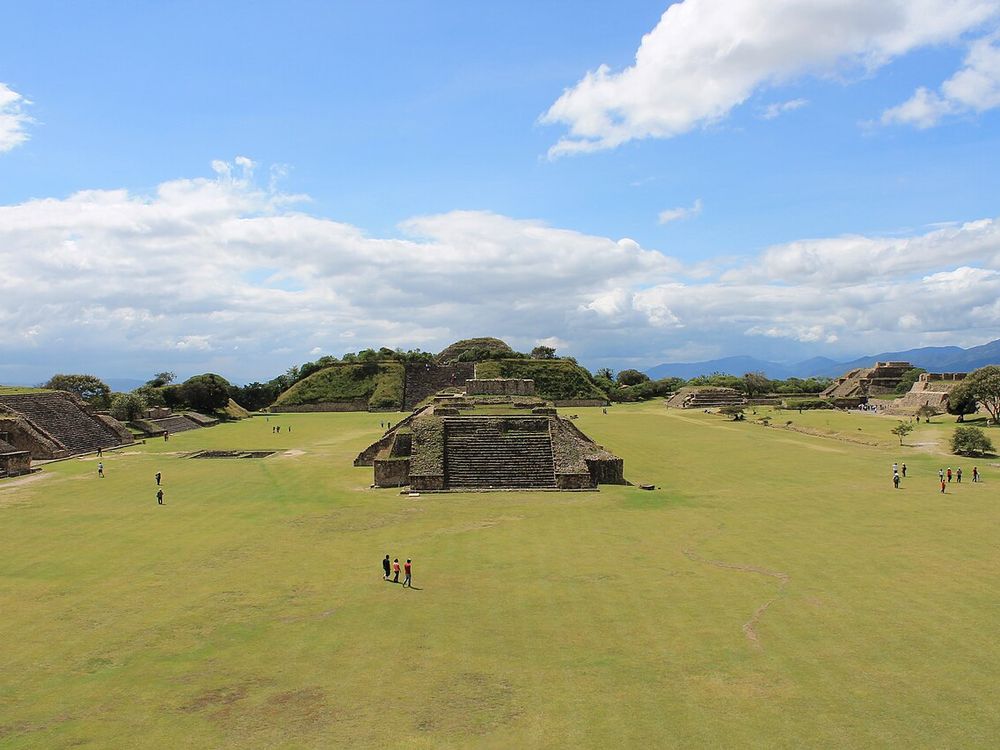
The city centre is well covered. Out at the cemeteries and in the villages of the valley the signal is thinner, and ride apps are thin on the ground; most visitors use a hotel driver, a taxi from a rank or a tour. Arrange the ride back before you go. The ruins of Monte Albán, on the hill above the city, are a good morning after a long night.
6 · Pátzcuaro and Janitzio
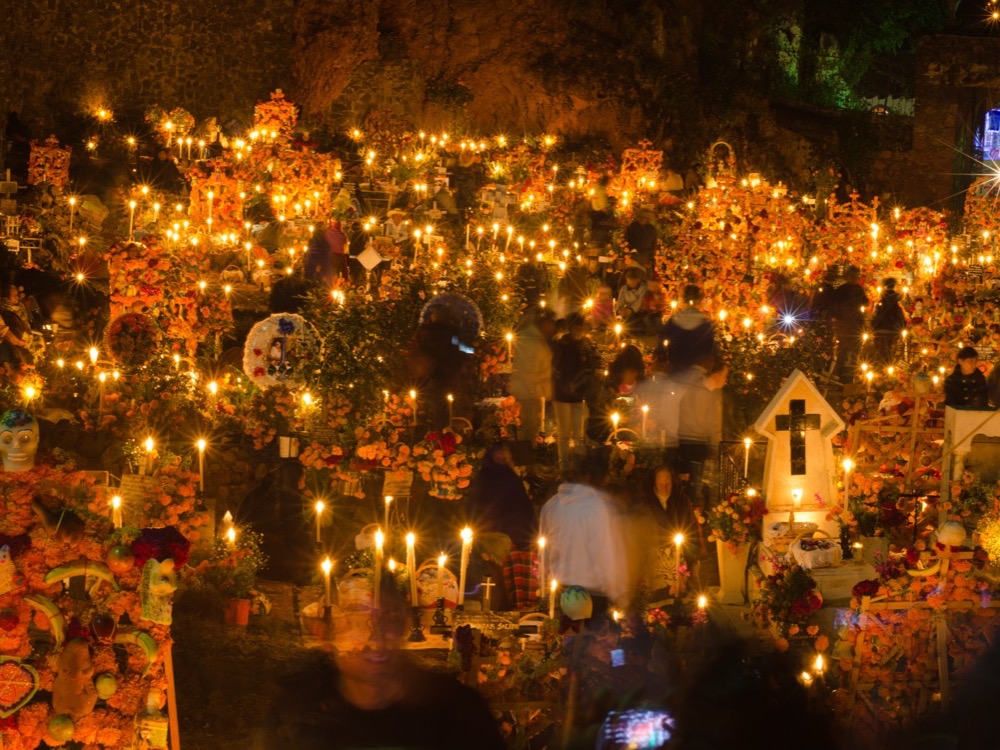
In Michoacán, the towns round Lake Pátzcuaro keep one of the best known vigils of all. The boats to the island of Janitzio leave from the Pátzcuaro pier, and on the night itself the island fills with candles and people. Pátzcuaro town has coverage; the lake and the island are patchier, and very busy that night.
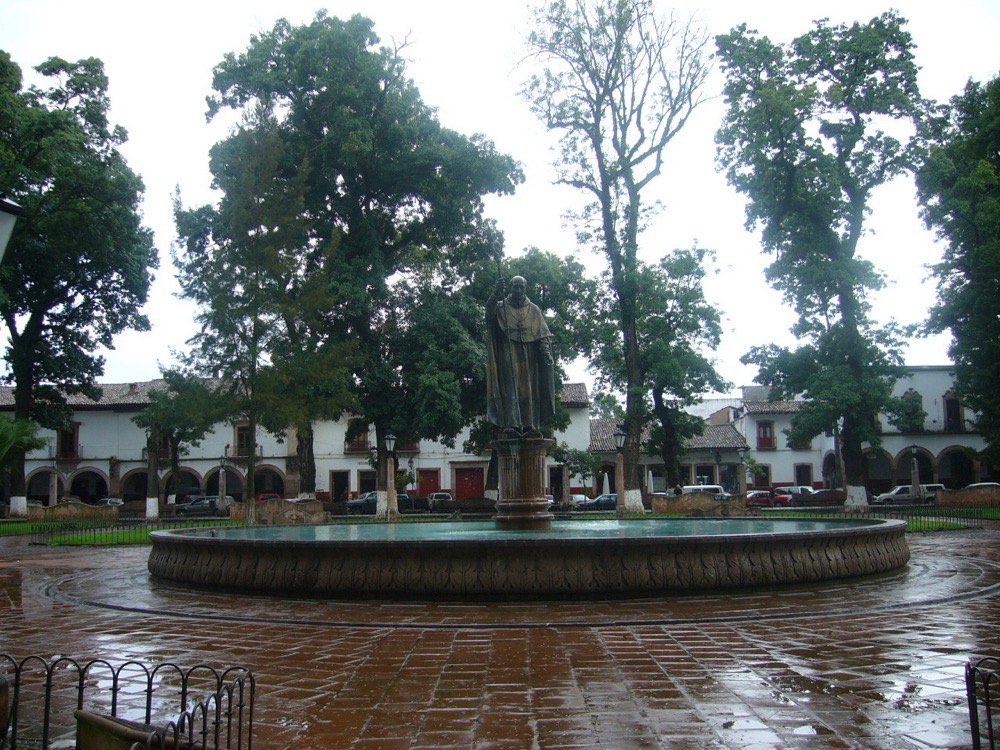
Pátzcuaro is a drive of several hours from Mexico City, or a shorter one from Morelia. Before you travel to Michoacán, read your government's current travel advice for the state; it changes, and it is the right place to check.
7 · Tickets, battery and photos at night
- Tickets and bookings offline. Tours, event passes and transport tickets often come as a QR code. Screenshot them; a code that needs to load is a code that fails in a crowd.
- Battery. Night photos, maps and a weak signal drain a phone fast. A power bank and a phone at full charge when you leave the hotel.
- Respect in the cemeteries. Ask before photographing a family's altar, and no flash on the graves. It is a celebration, and it is still a vigil.
8 · What two weeks of unlimited data costs
Our priced the brands most people search for on the same day, 28 September 2026. Here is Ringo Light's Mexico plan against the cheapest rival in each unlimited chart, with the length each one sells. Mexico is not our cheapest country, and the table says so where it is true.
Swipe to compare →
Prices change; the comparison post has every brand and the full method. Our own Americas plan includes Mexico and costs less than the Mexico plan, as the first section says.
9 · Which Ringo plan, and how to set it up
Ringo Light is our own data eSIM, sold to fund the full Ringo, one plan that works everywhere with your own number ported onto it. Installed once, next to your own SIM. Your number stays on your own line for calls and messages; the eSIM carries the data.
- The Mexico plan, for a trip of up to a month: unlimited data at full speed, 2 weeks for $42.99 or 30 days for $57.99, nothing that renews.
- The Latin America plan, which includes Mexico: 18 countries, 2 weeks for $47.99 or 30 days for $65.99. At ringoesim.com/latin-america.
- The Americas plan, which includes Mexico: 3 countries, 2 weeks for $37.99 or 30 days for $55.99. At ringoesim.com/americas.
- The Global plan, for a stay of months: $49.99 a month for 133 countries, renewing until you cancel.
Install the eSIM on Wi-Fi before you fly, turn Data Roaming on for the eSIM line, and set it as your data line. The step-by-step is in our and . Going on through Central and South America? The covers the route, and the covers a longer stay.
The card below sells the Mexico plan; the same plan is at ringoesim.com/mexico.