1 · The short answer
Buy one regional eSIM before you fly, install it on Wi-Fi at home, and cross every border between Mexico and Patagonia without a new SIM. Ringo Light's Latin America plan covers Mexico, Guatemala, Colombia, Peru, Bolivia, Argentina and Chile on one eSIM, 18 countries in all, as a trip plan: unlimited data at full speed, 2 weeks for $47.99 or 30 days for $65.99, with nothing that renews. Expect long stretches with no signal on the salt flat tour, the high trails and in the Patagonian parks, on any network; plan for it rather than against it.
The route is long, and most people take three months or more. For anything over a month the Global plan is the simpler buy: $49.99 a month for 133 countries, renewing until you cancel. The card to buy either is below this article.
2 · The route, and what your phone does at each stop
North to south is the usual direction, chasing the Patagonian summer at the end. Here is the route as the phone sees it.
Mexico City. You land, airplane mode goes off, and the eSIM you installed at home joins a Mexican network before immigration. Ride apps work across the city and are the easy way in from the airport. Coverage is good everywhere you are likely to go, including Teotihuacan.

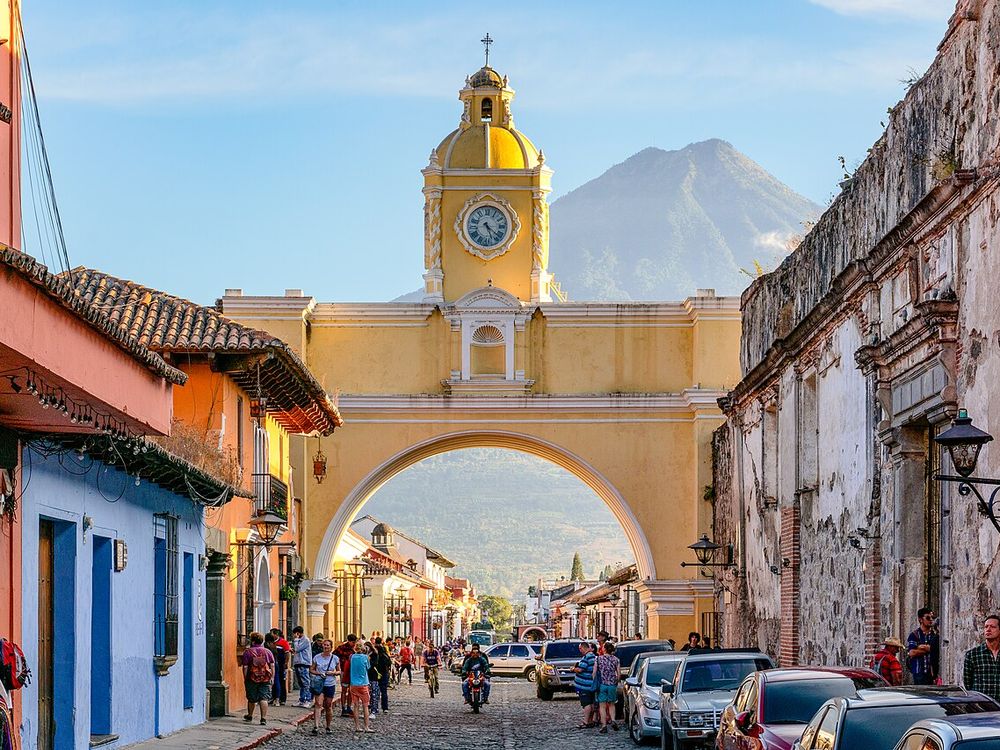
Into Guatemala, to Antigua. Most people go overland from San Cristóbal de las Casas by shuttle, across the border at La Mesilla, and on to Lake Atitlán and Antigua. The border is a long stop with paperwork on both sides; the eSIM re-registers on a Guatemalan network while you are still in the queue. Antigua is cobbles, volcanoes and good coverage.
Through Central America, then the jump to Colombia. There is no road through the Darién Gap, so everybody flies from Panama City or sails through the San Blas islands. For the slow way down the isthmus, the plan covers El Salvador, Honduras, Nicaragua, Costa Rica and Panama as well. Belize is not on the Latin America plan; it has its own trip plan.
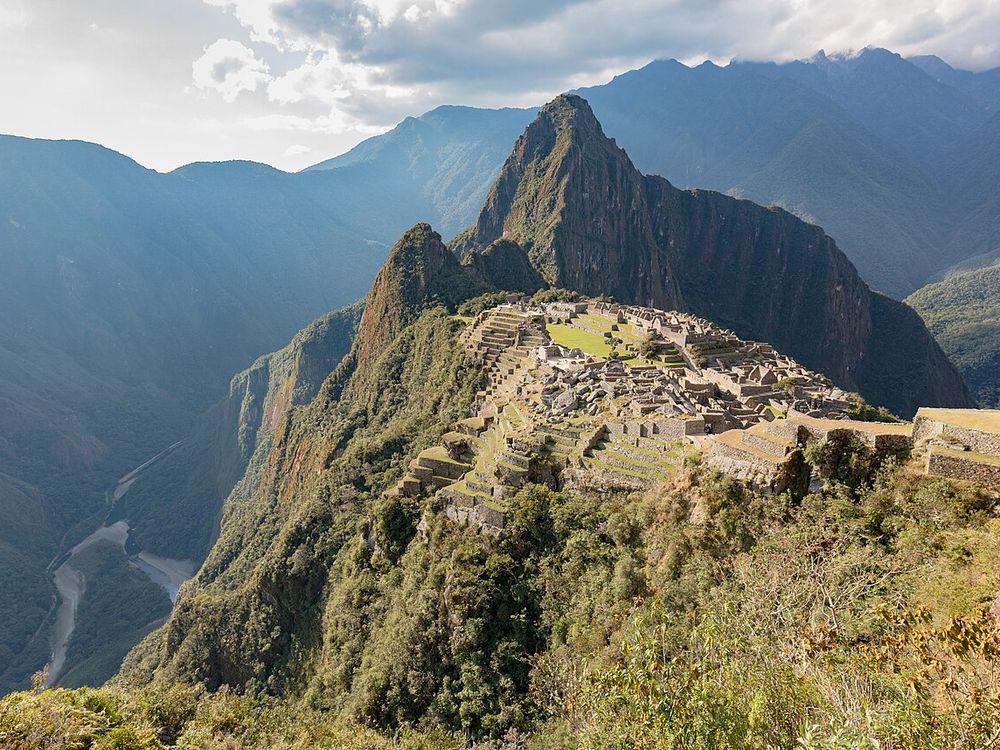
Cusco and Machu Picchu. Most people fly from Bogotá or Medellín to Lima or Cusco. Cusco sits at about 3,400 metres; take the first days slowly. The town has good coverage. Machu Picchu tickets are timed and the Inca Trail permits sell out months ahead, so book on data well before you arrive. On the trail itself, and at the citadel, do not count on a signal.
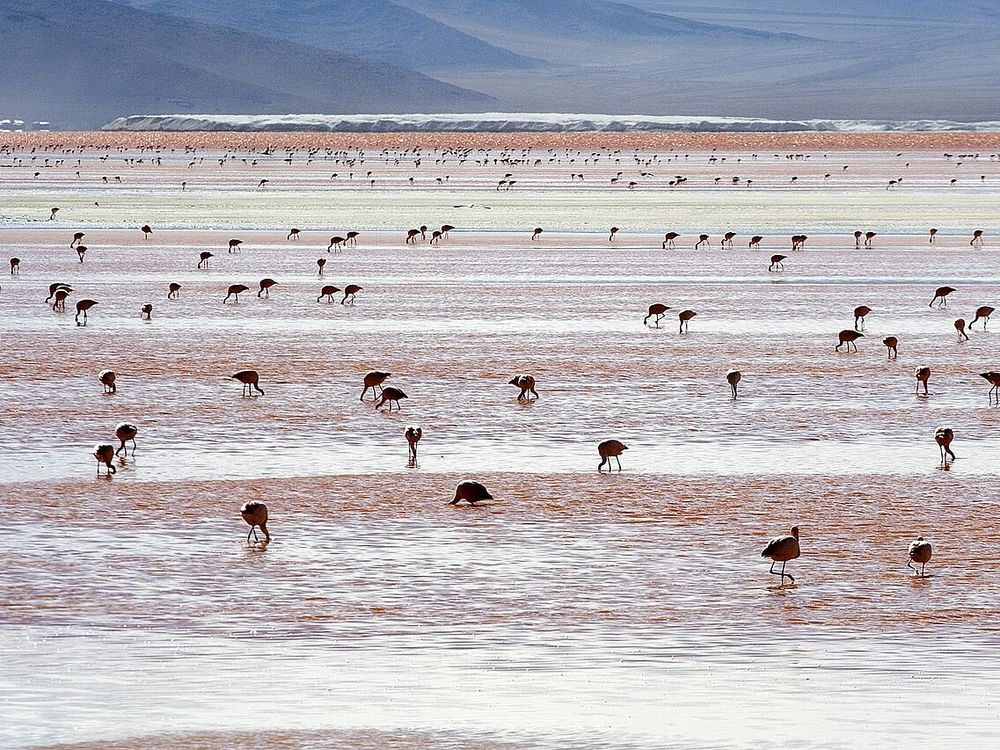
Lake Titicaca to La Paz, then the Salar de Uyuni. From Puno you cross into Bolivia at Copacabana and ride on to La Paz, where the cable cars give you one of the best views on the whole route. Then the salt flat: the classic three-day jeep tour from Uyuni crosses lagoons and deserts to the Chilean border near San Pedro de Atacama. For most of it there is no signal on any network. Download everything the night before in Uyuni.
Buenos Aires. From San Pedro, south through Salta by bus or by air. Buenos Aires is a city you live in for a week: good coverage, ride apps, and a phone you will use for every restaurant and milonga.

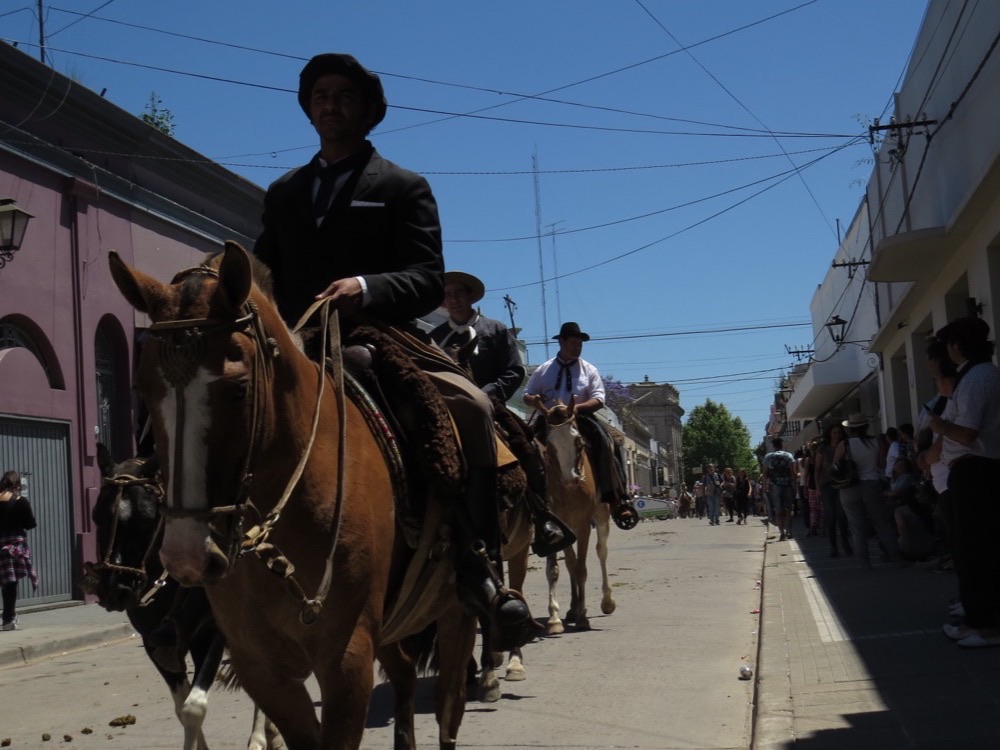
A day with the gauchos. Do not leave Argentina without it. San Antonio de Areco, a couple of hours west of Buenos Aires by bus, is the classic gaucho town: silversmiths, saddlers, an old pulpería or two, and estancias around it that run a día de campo, a day of riding, an asado that takes all morning, and horsemanship in the afternoon. In November the town holds its Fiesta de la Tradición and the gauchos ride through the streets. If you are coming down from the north instead, the gauchos of Salta, in their red ponchos, are the other great tradition. Either way, the estancia is out on the Pampa or in the hills, and coverage there is patchy: download the map, the estancia's address and the pick-up details in the city, and screenshot the booking before you leave.
Patagonia and Torres del Paine. From Buenos Aires, fly to El Calafate for the Perito Moreno glacier, bus to El Chaltén for the Fitz Roy trails, then cross into Chile to Puerto Natales for Torres del Paine. Expect almost no signal inside the park; some refugios sell Wi-Fi. The eSIM picks up again in Puerto Natales.

3 · Where the masts run out
The best parts of this route are the emptiest, and empty places have no masts. No SIM or eSIM changes that; what changes the trip is knowing where the gaps are.
Swipe to compare →
- Altitude does nothing to the phone, but it does plenty to you. In Cusco, La Paz and on the salt flat, take it slowly for a day or two.
- Cold does a lot to the battery. Nights on the Uyuni tour fall well below freezing, and a cold phone can die at half charge. Sleep with it, and the power bank, inside your sleeping bag.
- Download offline maps country by country on hostel Wi-Fi, before the bus rather than on it.
4 · What happens to your phone at a border
A route like this crosses six or more borders. Three ways to deal with them.
Swipe to compare →
Local SIMs are cheap here, and in a country where you stay for months they can make sense. The cost is the hour in a shop at each border and a new number every time, which breaks WhatsApp verification and every booking confirmation sent to the old one. With a regional eSIM the handover is automatic. If the phone has not found the new network by the next town, toggle airplane mode; if it still sulks, pick a network by hand in the eSIM's settings, then put automatic back on.
5 · How much data a day on the road
Swipe to compare →
A normal travelling day sits under 1 GB; the heavy days are the ones in a city after a week offline. On Ringo Light you get unlimited data at full speed for the length of the plan: 2 weeks for $47.99 or 30 days for $65.99, nothing that renews.
6 · Which Ringo plan, and what it costs
Ringo Light is our own data eSIM, sold to fund the full Ringo, one plan that works everywhere with your own number ported onto it. Installed once, next to your own SIM. Your number stays on your own line for calls and messages; the eSIM carries the data.
- The Latin America plan, for up to a month of the route through Mexico, Guatemala, Colombia, Peru, Bolivia, Argentina and Chile: unlimited data at full speed, 2 weeks for $47.99 or 30 days for $65.99, nothing that renews. 18 countries on one eSIM. For a longer trip, buy the next one when the first ends.
- The Global plan, for three months on the road or a trip that carries on: $49.99 a month for 133 countries, renewing until you cancel, so the same eSIM keeps working from Mexico to wherever you fly next.
Pay by card, Apple Pay or Google Pay and the eSIM arrives by email within seconds. Install it at home on Wi-Fi, switch its data on when you land in Mexico City, and turn Data Roaming on for it; that toggle is how a travel eSIM connects.
The step-by-step is in our and .