1 · The short answer
If your phone is an iPhone XS or newer, a Pixel 3 or newer, or a Galaxy S20 or newer, it has an eSIM. That covers the large majority of phones in people's pockets in 2026. The exceptions are regional: iPhones bought in mainland China, and some carrier and budget variants of Android phones that shipped with the eSIM left out.
An eSIM is a SIM built into the phone that downloads its profile instead of taking a plastic card. Your phone can hold several profiles at once and run two lines at the same time, which is what makes a travel eSIM next to your own SIM possible.
Thirty seconds of checking beats any list, so that comes first.
2 · How to check in thirty seconds
- Dial *#06# in the phone app. The screen that opens lists the phone's identifiers. If one of them is an EID, a 32-digit number, the phone has an eSIM. No EID, no eSIM.
- On iPhone, Settings, then General, then About, and scroll: an EID line and an "Available SIMs" or "Digital SIM" line mean you are set. Settings, then Cellular (Mobile Service outside the US) also shows "Add eSIM" when the phone has one.
- On Android, Settings, then About phone, then SIM status or IMEI information. An EID entry is the sign. Or open the SIM menu (Network and internet, or Connections) and look for "Add eSIM" or "Download a SIM instead".
One more thing to check while you are there: whether the phone is network locked. A locked phone can have a perfectly good eSIM and still refuse another carrier's profile. Settings, then General, then About on iPhone shows "No SIM restrictions" when it is unlocked; on Android ask your carrier.
3 · iPhone
Apple added eSIM to the iPhone XS, XS Max and XR in September 2018 and has shipped it in every model since. The table is the whole story.
Swipe to compare →
Two details worth knowing. US iPhones from the 14 onwards have no tray, so an eSIM is the only way to add a line. And iPhones bought in mainland China have no eSIM at all, whatever the model; Hong Kong and Macau models vary by generation, so check *#06# on those.
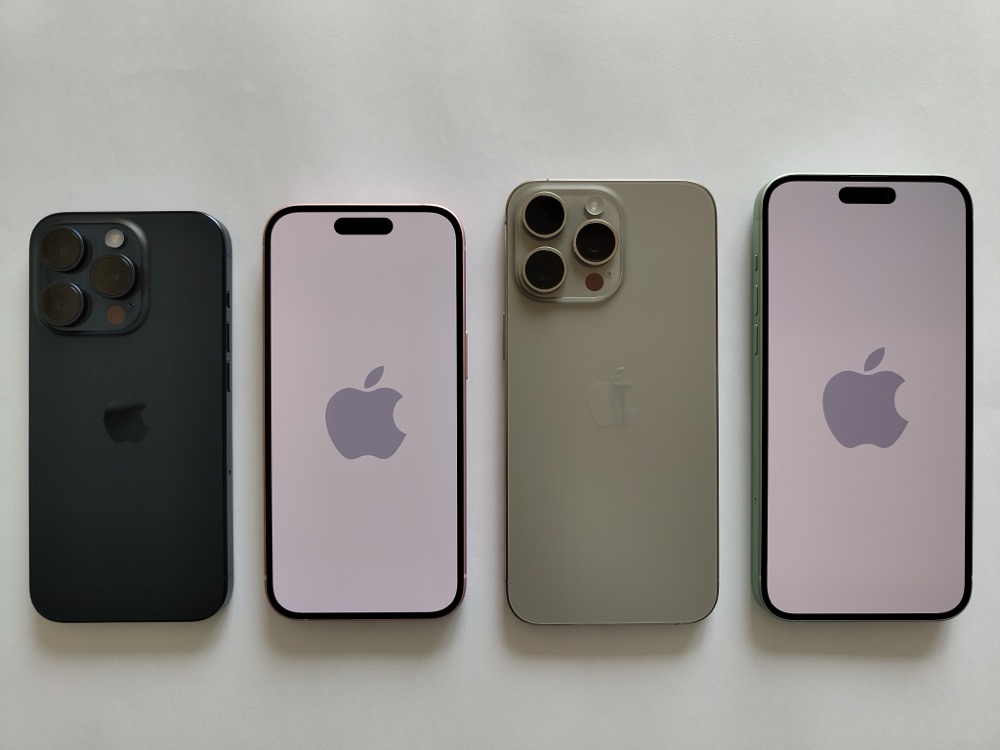
Installing on an iPhone is three taps; our walks through each screen.
4 · Google Pixel
Google's own phones have carried an eSIM since the Pixel 2, but the Pixel 2's only worked with Google Fi. The useful line is the Pixel 3.
Swipe to compare →
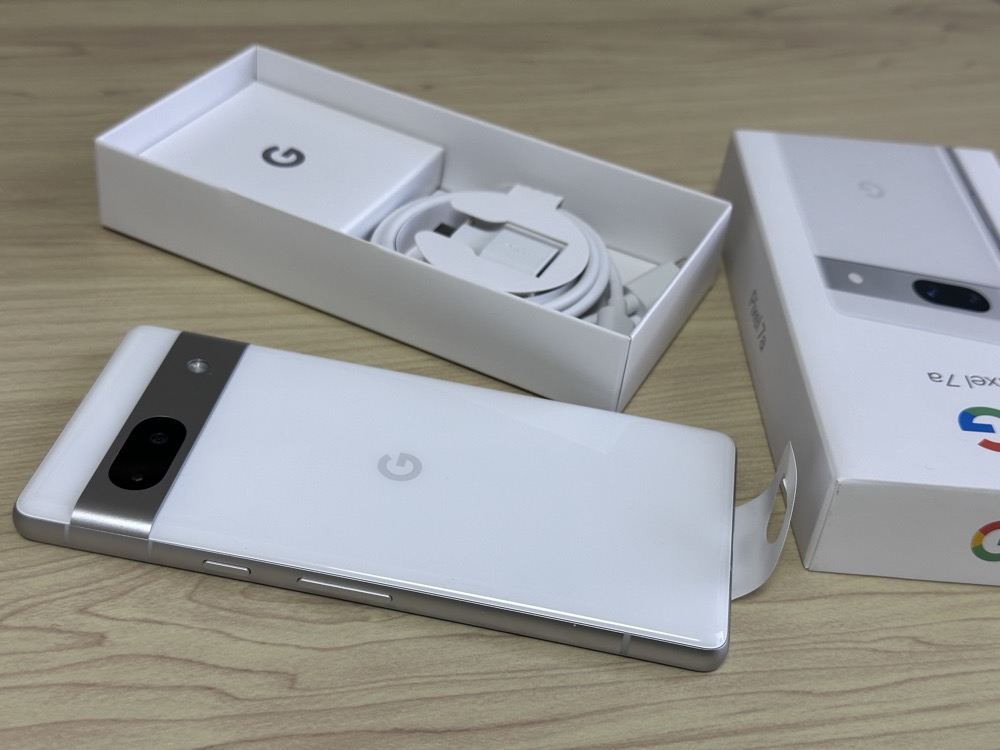
If you bought a Pixel through a carrier years ago and the Add SIM option is missing, a software update usually brings it back; a locked unit needs the carrier to unlock it.
5 · Samsung Galaxy
Samsung is where the list needs the most care. The flagships have had eSIM since the Galaxy S20 of 2020, but Samsung sells many regional and carrier variants, and some of them shipped without it.
Swipe to compare →
The S20 FE and most of the older A range are the common surprises: good phones, no eSIM. Dial *#06# before you buy a plan for a Samsung and the question is settled.

6 · Other Android brands
Beyond Google and Samsung the picture is model by model, and a brand having eSIM on its flagship says nothing about its cheaper phones. Models we see working with travel eSIMs, with the usual check-your-own-unit caveat:
- Motorola: the Razr from the 2019 model, and the Edge line in most markets.
- OnePlus: the 11 and later flagships, and recent Nord models in Europe and India.
- Oppo: the Find X3 Pro and later flagships, and a growing part of the Reno line.
- Xiaomi: the 12T Pro, 13 and 14 series in Europe; many Chinese and Indian variants without.
- Sony: the Xperia 1 IV, 5 IV, 10 IV and later.
- Fairphone 4 and 5, Nothing Phone (2) and later.
- Huawei: the P40 and Mate 40 in their global versions; nothing sold in China.
If your phone is not in any list, the *#06# test is the answer, and it is faster than reading one.
7 · The exceptions that catch people out
- Mainland China. No phone sold there has a usable eSIM for travel, iPhone included. If your phone came from a Chinese retailer, assume not until *#06# says otherwise.
- Carrier locks. A phone financed through a carrier is often locked to it until it is paid off. The eSIM hardware is there; the phone refuses other profiles. Ask the carrier to unlock it before you travel, not at the airport.
- Carrier variants. The same Samsung model number can have eSIM in Europe and not on a US carrier build. The model name tells you nothing; the EID does.
- Old software. On some early eSIM phones the menu only appears after an update. Update first, then look again.
- Hong Kong and Macau iPhones. Some generations carry an eSIM and some do not. Check the unit.

8 · What two lines at once means for travel
Every phone in the tables above runs two lines at the same time. For a trip that means your own SIM stays in and switched on for calls and messages, and a travel eSIM sits next to it carrying the data. Nothing is swapped, nothing is posted, and your number keeps working.
That is exactly how Ringo Light works: a data-only eSIM you install once, on Wi-Fi, before you fly. When you land you set it as the data line and turn Data Roaming on for it. Your own line stays for calls and texts. It is not the full Ringo service, which ports your number onto one plan that works everywhere and is still being built.
The card below this article sells it; the and the take it from there.