
1 · The short answer
Every island is its own country, or its own territory, with its own networks, so a trip across the Caribbean is a string of borders even when it feels like one long beach. One eSIM installed before you fly takes care of them. Ringo Light's Caribbean plan covers Puerto Rico, the Dominican Republic, Jamaica and the Bahamas on one eSIM, 7 places in all, as a trip plan: unlimited data at full speed, 2 weeks for $47.99 or 30 days for $90.99, with nothing that renews.
Barbados, Saint Lucia, Antigua and Curaçao are not on the Caribbean plan today, and I would rather say so here than let you find out at the airport. Each has a trip plan of its own, and the Global plan covers all of them along with the rest of the route.
If your route takes in more than one of the islands the Caribbean plan leaves out, the Global plan is the simpler buy: $49.99 a month for 133 countries, every island on this page included, renewing until you cancel. The card to buy either is below this article.
2 · The islands against the plans
Eight islands people combine, and what covers each. I read this from the Ringo catalogue when the page is built, so it is current as of the date at the top.
Swipe to compare →
The Caribbean plan also covers Cayman Islands, Nicaragua and Sint Maarten, which is useful if the trip runs on from there.
3 · Island by island
No one does all eight in one go. Most trips are some piece of this arc, from the southeast up to the Bahamas, with Curaçao off to the southwest, and that is how I have ordered them.
Barbados. The usual way in from Europe, with long-haul flights from London. You land, airplane mode goes off, and the phone looks for a network. Bridgetown, the west coast beaches and the rum shops all have coverage. The rugged east coast at Bathsheba is quieter.

St Lucia. A short flight from Barbados. The international airport is at the southern tip, the hotels are mostly in the north, and the road between is slow and winding. I would load the map before the taxi leaves.

Antigua. Another short hop north, and a hub for flights onwards. English Harbour and Nelson's Dockyard are in the south. The Sunday evening view from Shirley Heights is the one everyone photographs, and the one I would plan around.

Puerto Rico. A United States territory, and for many American phone plans no roaming at all, so check yours. For everyone else it is a separate network to join. Old San Juan has good coverage. El Yunque rainforest and the far corners of the island have less.
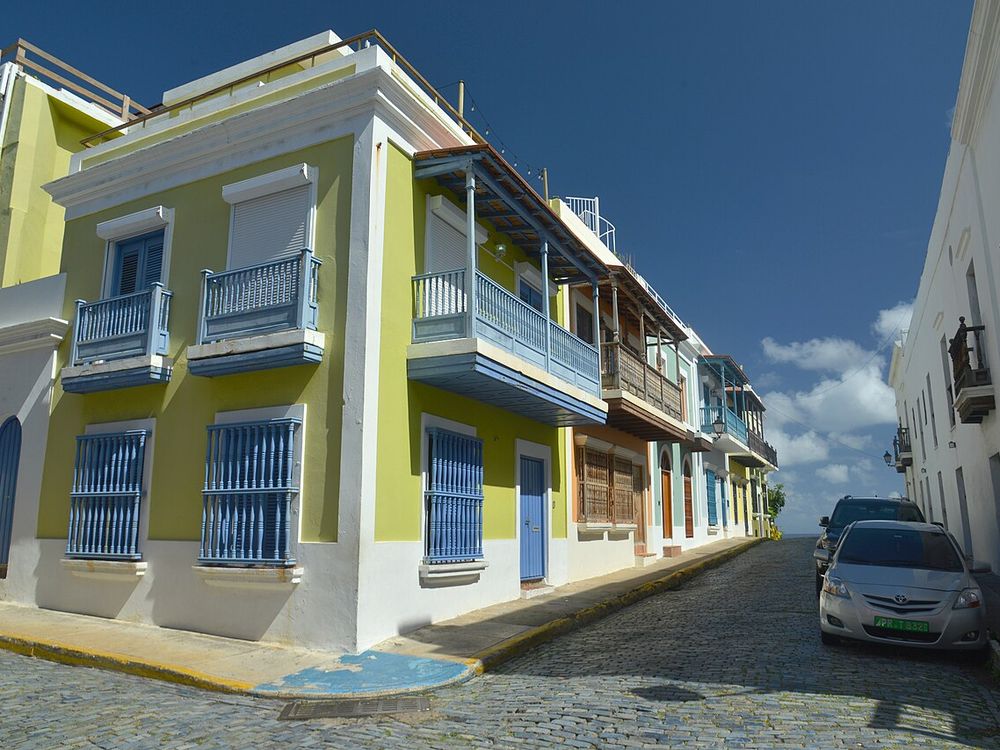
The Dominican Republic. About an hour's flight from San Juan. Most visitors stay in Punta Cana, but Santo Domingo's colonial zone is the reason I would go further. Coverage is good in the cities and resort areas and thinner in the mountains around Jarabacoa.

Jamaica. Montego Bay airport is the way in for most people, and Negril is a drive of an hour or more to the west. Ride and delivery apps are thinner on the ground than on the bigger islands. I would save the hotel's taxi number in my phone.
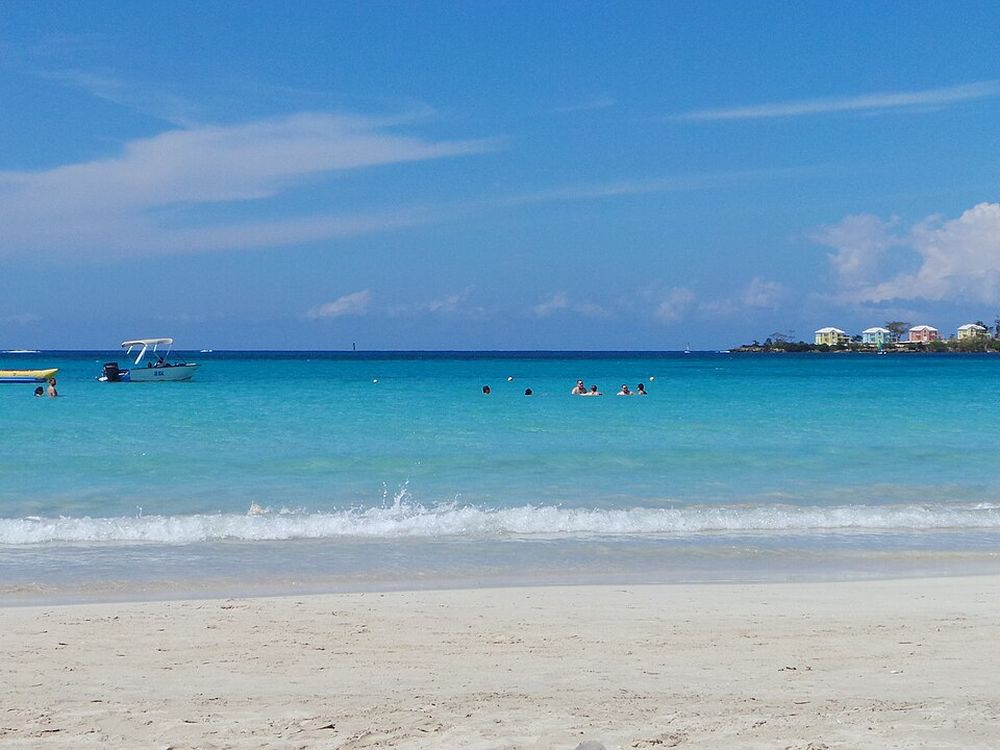
The Bahamas. Nassau is the hub, and the out islands are reached by small planes and fast ferries. Coverage is good in Nassau and patchier on the smaller cays, where the hotel's Wi-Fi may be the better line.

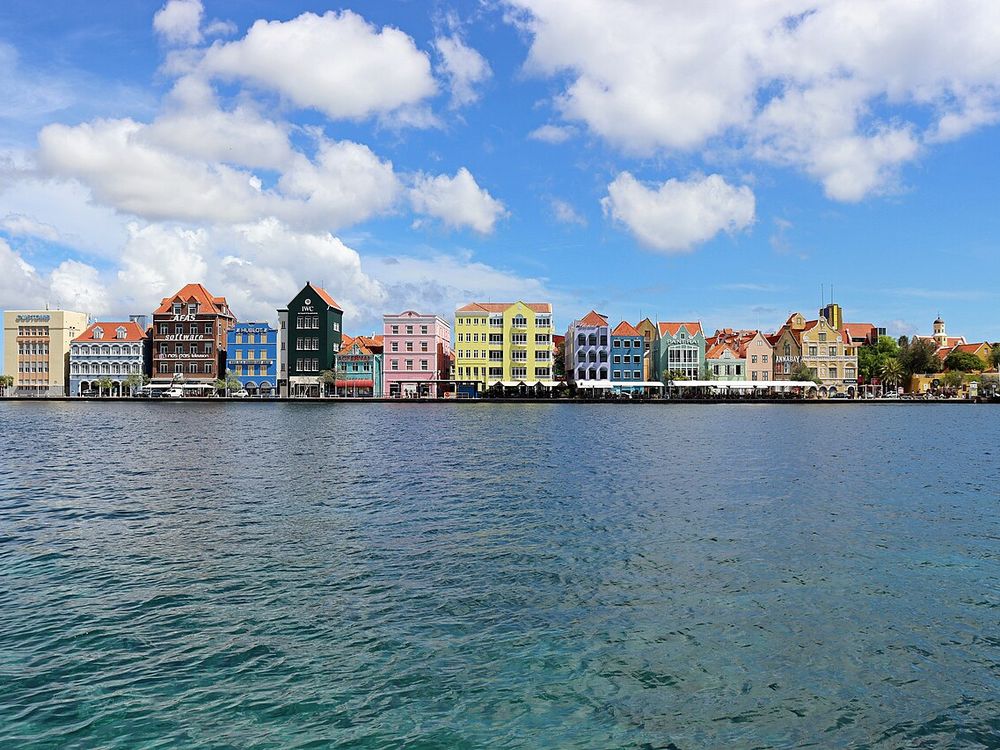
Curaçao. Off the coast of Venezuela, generally reckoned to sit south of the hurricane belt, and Dutch in its architecture and its banks. Willemstad is compact and well covered. The beaches of the west end are a drive away.
4 · Ferries, short flights and the phone
Between these islands you mostly fly. A few ferry links exist, such as the fast ferries between St Lucia and Martinique or from Nassau to the out islands. The classic hops are thirty to ninety minutes on a regional airline, often through a hub like San Juan, Antigua or Barbados. Both kinds of hop look the same to your phone, with one network on departure and a new one on arrival. That is what I plan for.
- On landing, switch airplane mode off and give the eSIM a few minutes to register. If nothing has happened by the taxi rank, I would toggle airplane mode once.
- On a cruise, the eSIM works in port and near shore on the island networks. At sea the ship runs its own satellite network, which bills like roaming on most SIMs. I would switch my own SIM's data roaming off before the ship sails.
- Regional schedules change, and flights get moved. I would keep the airline's app and my booking on the phone, and check on data the morning of the flight.
- Hurricane season runs from June to November. If you travel then, a phone that works on every island is how you get the airline's rebooking message.
5 · How much data a day on the islands
Swipe to compare →
A beach day sits well under 1 GB. Hotel Wi-Fi on the islands ranges from excellent to theoretical, which is why people lean on mobile data more than they expect. On Ringo Light you get unlimited data at full speed for the length of the plan: 2 weeks for $47.99 or 30 days for $90.99, nothing that renews.
6 · Which Ringo plan, and what it costs
Ringo Light is the data eSIM I write for. It is sold to fund the full Ringo, one plan that works everywhere with your own number ported onto it. You install it once, next to your own SIM. Your number stays on your own line for calls and messages; the eSIM carries the data.
- The Caribbean plan, for a trip of up to a month through Puerto Rico, the Dominican Republic, Jamaica and the Bahamas: unlimited data at full speed, 2 weeks for $47.99 or 30 days for $90.99, nothing that renews.
- The Barbados plan, for a stay on Barbados alone: 7 days for $38.99, 2 weeks for $44.99 or 30 days for $86.99.
- The Saint Lucia plan, for a stay on Saint Lucia alone: 7 days for $38.99, 2 weeks for $51.99 or 30 days for $101.99.
- The Antigua and Barbuda plan, for a stay on Antigua alone: 7 days for $38.99, 2 weeks for $44.99 or 30 days for $86.99.
- The Curaçao plan, for a stay on Curaçao alone: 7 days for $38.99, 2 weeks for $48.99 or 30 days for $93.99.
- The Global plan, for a route across islands on and off the Caribbean plan: $49.99 a month for 133 countries, renewing until you cancel. One eSIM, every island on this page.
Pay by card, Apple Pay or Google Pay and the eSIM arrives by email within seconds. I would install it at home on Wi-Fi, switch its data on when I land, and turn Data Roaming on for it, because that toggle is how a travel eSIM connects.
I put the step-by-step in the and .