1 · The short answer
Since 1 January 2021 the United Kingdom is outside the EU roaming rules, so the roam-like-at-home allowance on your EU SIM no longer protects you in London, Edinburgh or Cornwall. Some EU carriers still include Britain by choice; many charge a daily fee or a smaller allowance. The simple fix is a data eSIM: Ringo Light's United Kingdom plan is unlimited data at full speed, 2 weeks for $14.99 or 30 days for $26.99, with nothing that renews, installed next to your own SIM. The plan is at ringoesim.com/united-kingdom.
The United Kingdom is also on the Europe plan, 33 countries for 2 weeks for $22.99 or 30 days for $35.99, which is the one to buy if the trip carries on to Paris, Amsterdam or Dublin. For a UK trip alone, the United Kingdom plan is the cheaper one.
For a longer stay or a trip that keeps going, the Global plan is $49.99 a month for 133 countries and renews until you cancel. The card to buy any of them is below this article.
2 · From the EU: what changed in 2021
Until Brexit, a French, German or Dutch SIM worked in London exactly as it did at home. The EU rule that made that happen, roam-like-at-home, covers the EU and the EEA, and the United Kingdom left both. Since then, whether your SIM works in Britain at home prices is your carrier's commercial choice, not your right.
- Some carriers still include the UK in their EU allowance, sometimes only on their more expensive plans.
- Many have moved Britain to a paid zone: a daily pass, a separate smaller allowance, or a price per megabyte.
- The EU allowance in your plan is set by EU rules, so it says nothing about Britain: a big plan at home is no guide to what you get in London.
Look up the UK in your carrier's roaming page before you fly, not after the first text message about charges. If the answer is a daily fee, a two-week trip is where an eSIM pays for itself. The same is true the other way: most British carriers brought back charges in the EU, so a Londoner in Lisbon is in the same position.
3 · From the US and Australia
American and Australian visitors never had roam-like-at-home anywhere in Europe, so Brexit changed nothing for them. The big US carriers sell a daily international pass, and the main Australian carriers do the same; both are billed for every day the phone touches a network abroad, which adds up quickly over a fortnight.
Two things matter more for these visitors than for Europeans. First, a phone bought on a US or Australian contract can be carrier-locked, and a locked phone refuses any other eSIM; ask for an unlock before you leave. Second, US iPhones from the iPhone 14 on have no SIM tray at all, so the eSIM is the only way to add a second line. Our has the check, and explains how your own number keeps working for codes and calls.
4 · London, and the Underground
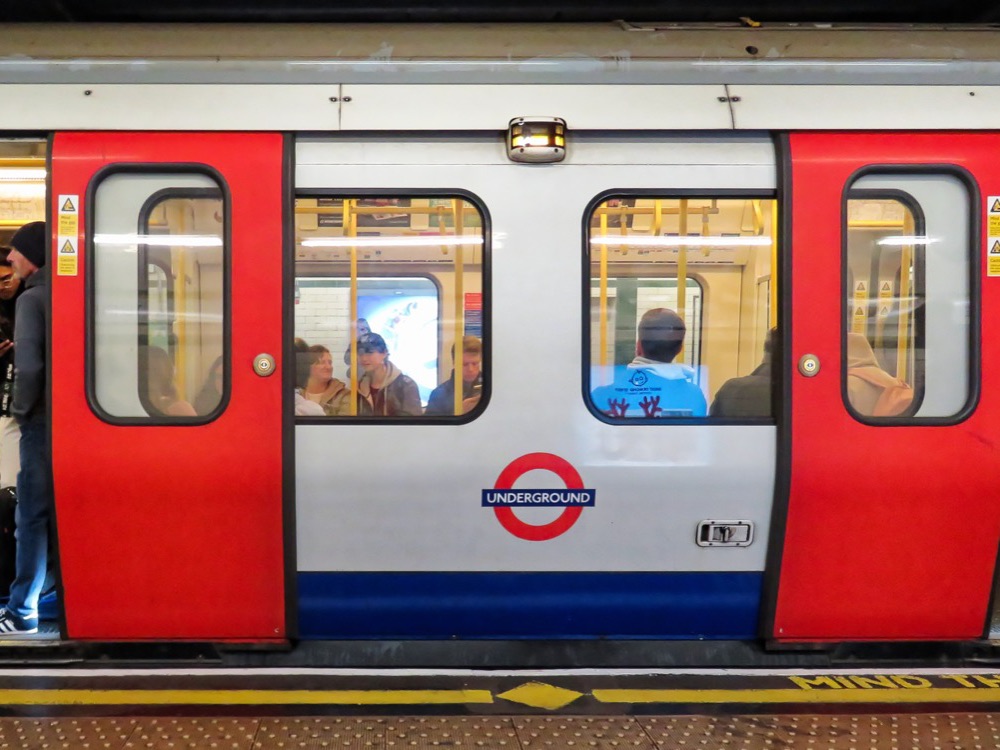
London has full coverage above ground, 5G across most of the centre, and a transport system that runs on your phone: contactless payment at every gate, live arrivals in the apps, and Citymapper or Google Maps telling you which carriage stops by the exit.
The change of the last few years is underground. Mobile coverage is being built into the Tube tunnels as well as the stations, line by line, and a growing part of central London now has 4G, and in places 5G, between stations. Some lines and stretches still go quiet, so treat a signal in the tunnel as useful but not guaranteed: download the day's tickets and directions before you go down. The coverage is shared between the UK networks, and a travel eSIM uses one of them as its partner, so it behaves the way a local phone does.
5 · Edinburgh, the Highlands and Cornwall
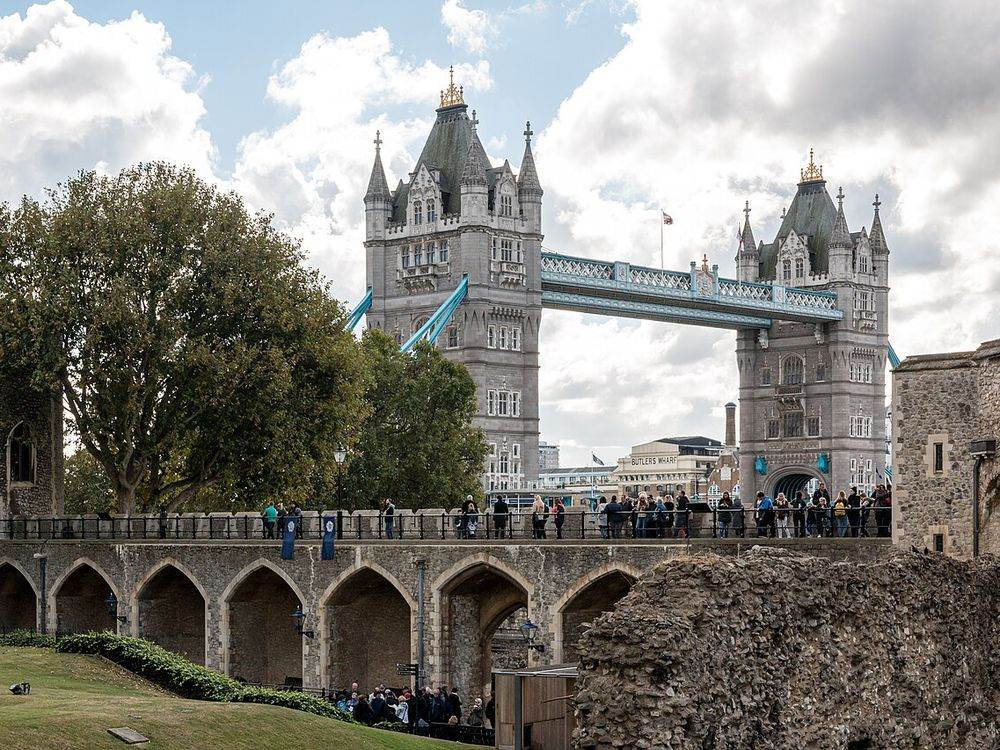
Britain is small, but its coverage is not even. Cities and the motorways between them are excellent. The far north of Scotland and the far west of England are where every network, ours included, gets honest.
Edinburgh. A city like any other for your phone, and a busy one in August when the festival fills it. Book the castle and the evening shows on data from the Royal Mile.

The West Highland line and Glenfinnan. The train from Glasgow to Fort William and on to Mallaig is one of the great rail journeys anywhere, and much of it runs through country with little or no signal. Glenfinnan has coverage in the village; on the moor before it, expect none.

Glencoe, Skye and the North Coast 500. Villages and the main road towns are covered. The single-track roads between them, the glens and the far north often are not, on any network. Download offline maps for the whole route on hotel Wi-Fi, and fill the tank when you can.

Cornwall. St Ives, Falmouth and Newquay are connected. The coast path between the coves, the deep valleys and the far west round Land's End drop in and out. A Cornish holiday with a phone that works in town and a map that works everywhere else is the realistic version.

6 · What two weeks of unlimited data costs
Our priced the brands most people search for on the same day, 26 September 2026. Here is Ringo Light against the cheapest rival in each unlimited chart, with the length each one sells.
Swipe to compare →
Prices change; the comparison post has every brand and the full method.
7 · Which Ringo plan, and how to set it up
Ringo Light is our own data eSIM, sold to fund the full Ringo, one plan that works everywhere with your own number ported onto it. Installed once, next to your own SIM. Your number stays on your own line for calls and messages; the eSIM carries the data.
- The United Kingdom plan, for a trip to Britain of up to a month: unlimited data at full speed, 2 weeks for $14.99 or 30 days for $26.99, nothing that renews.
- The Europe plan, which includes the United Kingdom, for a trip that crosses to the continent: 33 countries, 2 weeks for $22.99 or 30 days for $35.99.
- The Global plan, for a longer stay or a trip that keeps going: $49.99 a month for 133 countries, renewing until you cancel.
Install the eSIM on Wi-Fi before you fly, turn Data Roaming on for the eSIM line and off for your own SIM, and set the eSIM as your data line. The step-by-step is in our and ; if you are crossing by Eurostar or rail, the covers the borders.
The card below sells the United Kingdom plan; the same plan is at ringoesim.com/united-kingdom.