1 · The short answer
Cherry blossom season has no fixed dates. In Tokyo, Kyoto and Osaka the trees usually open in late March and peak around the start of April, and further north, in Hirosaki, it is usually late April; the forecasts come out in late winter from private forecasters such as Weathernews. For the trip, buy one data eSIM before you fly and install it on Wi-Fi at home. Ringo Light's Japan plan covers the whole country: unlimited data at full speed, 2 weeks for $26.99 or 30 days for $50.99, with nothing that renews. The plan is at ringoesim.com/japan.
Japan is also on the Asia plan (20 countries, 2 weeks for $34.99, 30 days for $59.99 or 90 days for $73.99). For Japan alone, the Japan plan is the cheaper one. If the trip goes on to Korea, Taiwan or Southeast Asia, the Asia plan is at ringoesim.com/asia.
Visitors from the EU, the UK and the US all pay roaming in Japan unless their plan says otherwise, and two weeks of daily charges cost more than the plan. The card to buy the Japan plan is below this article.
2 · The forecast, and who makes it
The bloom moves every year with the weather, by a week or more either way. The Japan Meteorological Agency watches a sample tree in each city and announces the day it opens; it stopped forecasting the date itself in 2010 and left that to private forecasters. Weathernews, the Japan Weather Association and others publish the forecasts from late winter and update them through the spring.
What that means for a trip: book flexible nights, check the forecast a few weeks before you go, and plan the route to follow the bloom. It opens in the south first and moves north, so a trip that starts in Kyoto or Osaka and ends in Tohoku can see it more than once. The forecast pages and the bloom maps all want data, every morning.
3 · Tokyo
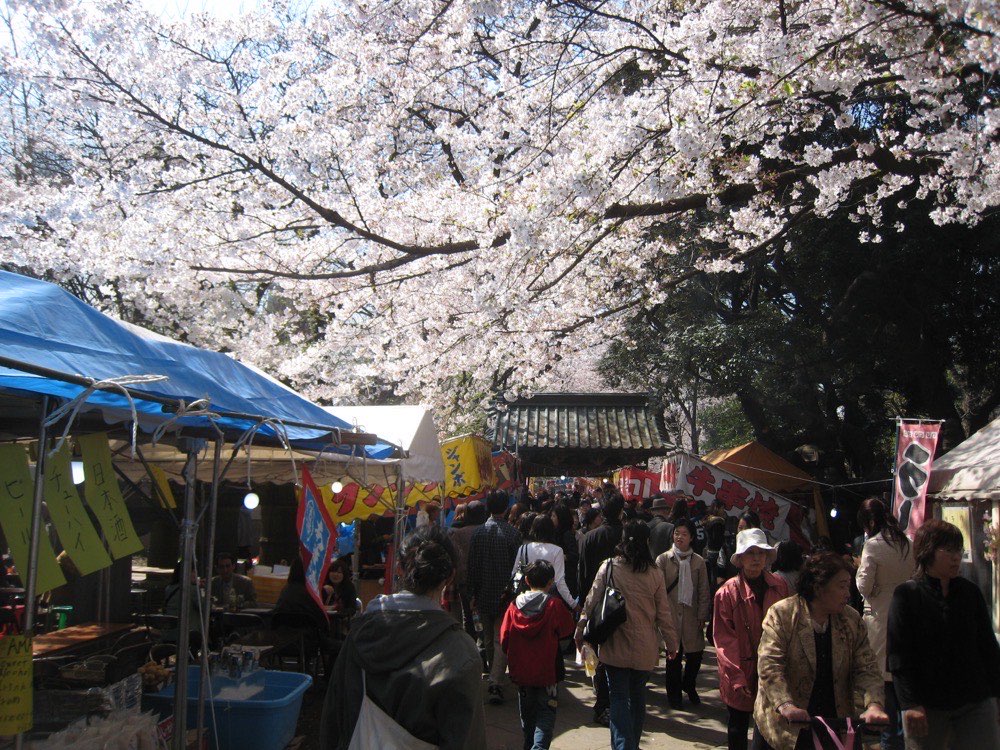
Japan's networks are among the best anywhere and the parks are well covered. The problem is the weekend afternoon at peak bloom, when everyone in Ueno Park, along the Meguro River or under the trees at Chidorigafuchi is sharing photos at once and data slows down. Three habits:
- A meeting point. A gate, a statue, a named bridge. In a hanami crowd a pin on a map is less use than a landmark.
- Go early or go at night. The morning is quieter, and many of the big spots light the trees in the evening.
- Upload later. Shoot in the park, send from the hotel. It saves battery too.
4 · Kyoto and Osaka
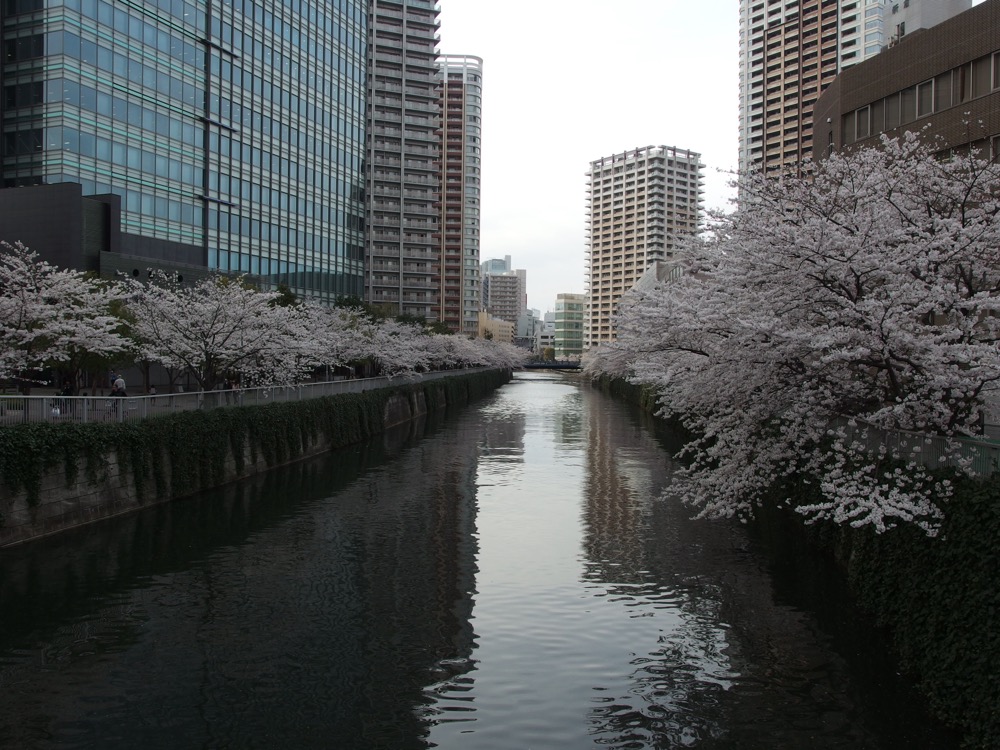
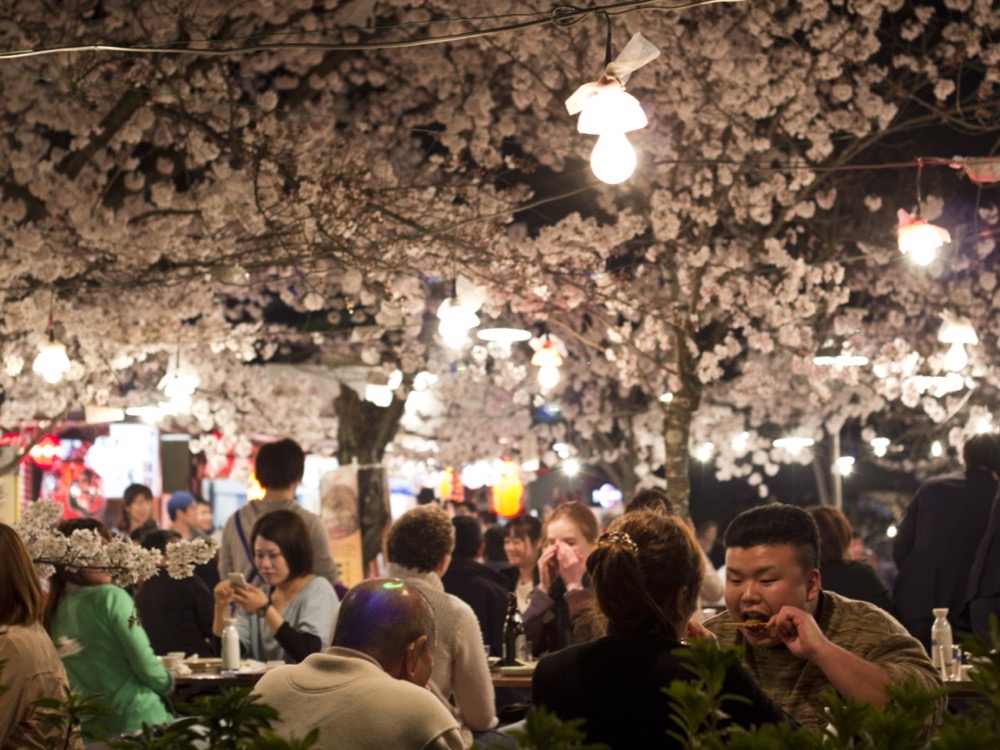
Kyoto in bloom is the busiest the city gets, and the temples that sell timed entry sell out. Book online, and keep the confirmation offline. Maruyama Park fills with hanami parties under its trees in the evening; the Philosopher's Path is a long, narrow walk of cherries along a canal that is best early.
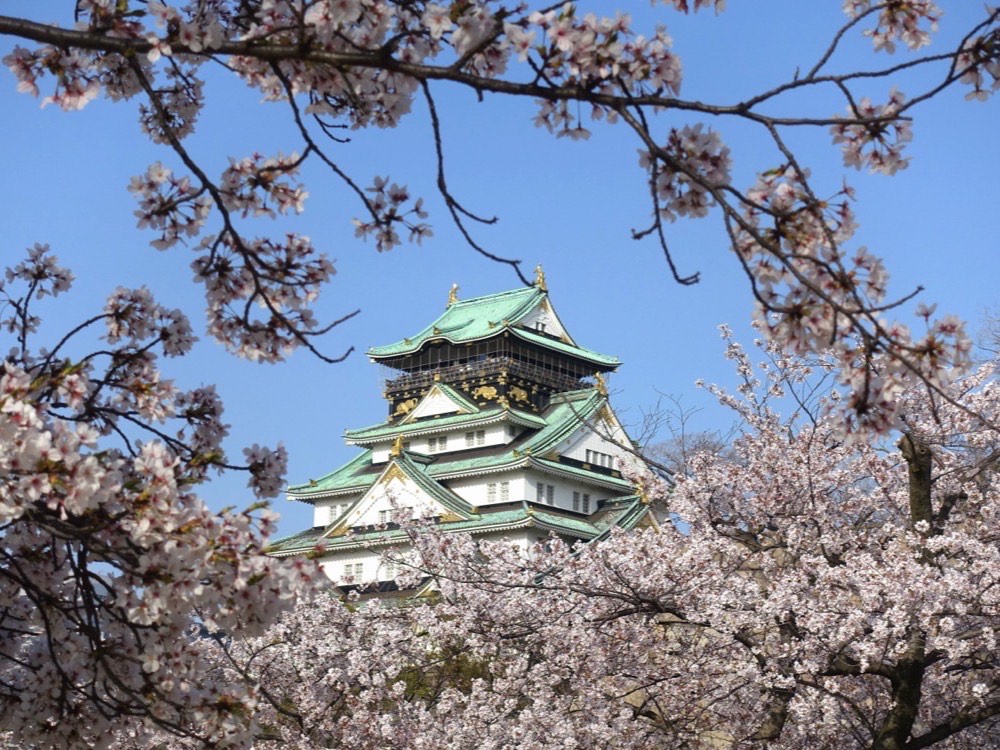
Osaka is half an hour away by train, and the park round Osaka Castle is its great hanami ground. The city is as well connected as Tokyo, with the same weekend slowdown in the park at peak bloom.
5 · Hirosaki and Yoshino
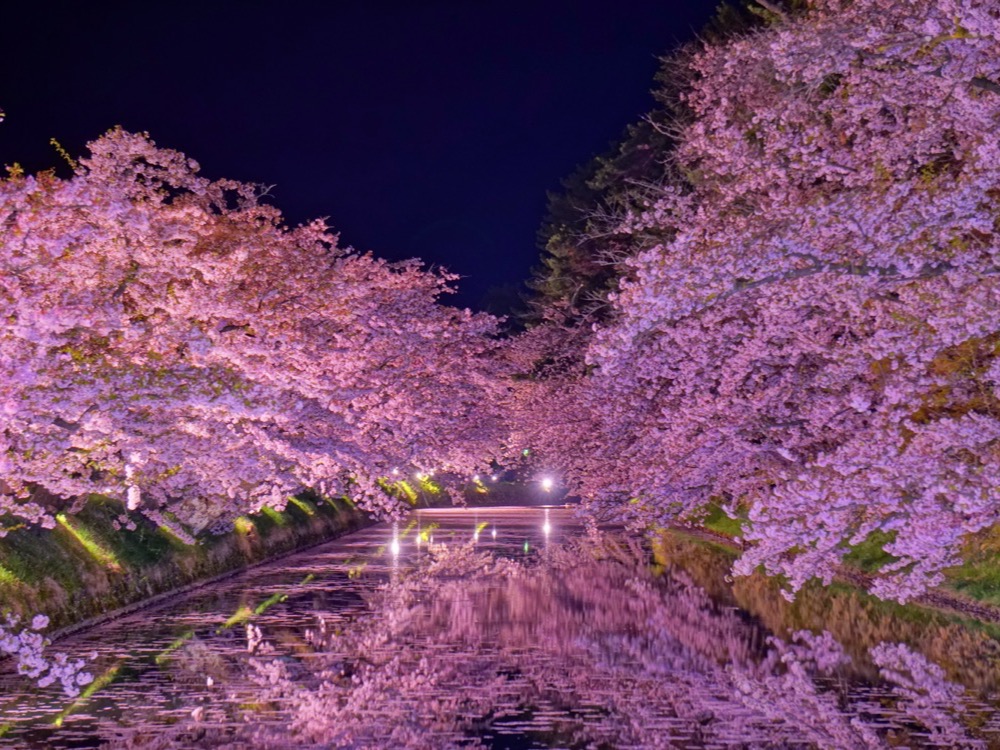
Hirosaki, in Aomori at the north of Honshu, blooms later than Tokyo, usually in late April, which is why people who miss the peak in the south go north. The park round the castle is lit at night and the moats fill with petals. The Shinkansen gets you to Aomori or Shin-Aomori and a local train does the rest; both are covered most of the way.
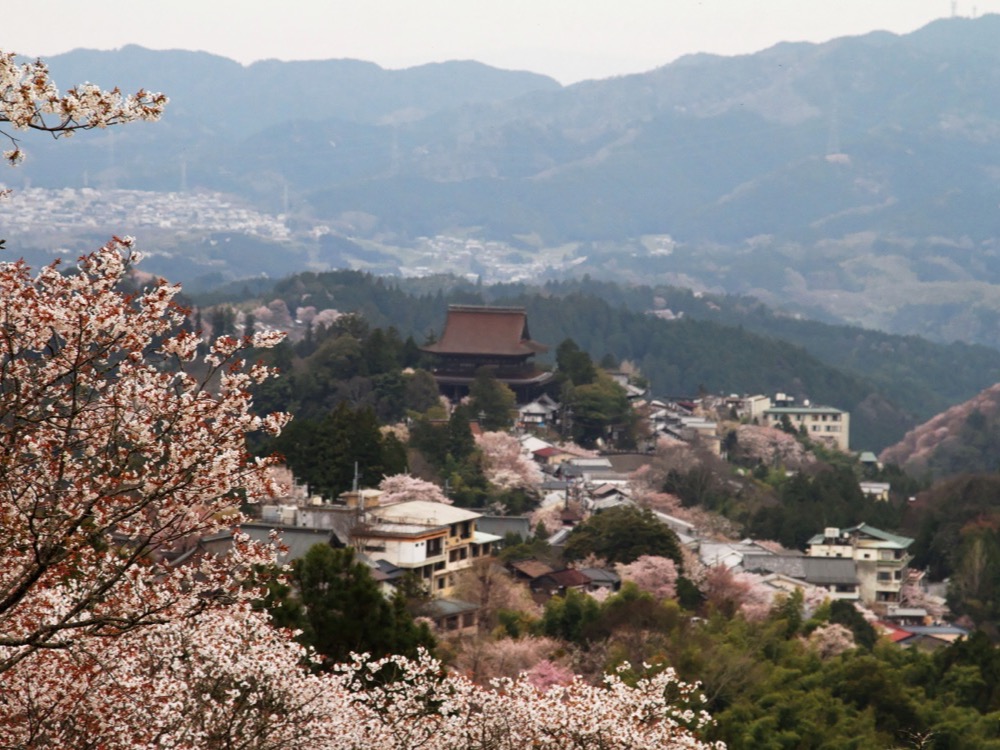
Mount Yoshino, in Nara prefecture, is covered in cherry trees that bloom in tiers, the lower slopes first and the upper ones later, so the season on the mountain lasts longer than in a city park. The village along the ridge has signal; the paths higher up are patchier, so download the map and the bus or train times before you climb.
6 · The rail pass, IC cards and offline tickets
- The Japan Rail Pass. The official site sells the pass online, and seats can be reserved there for many trains. Trains in bloom season are full, so reserve seats early; the confirmation and the QR code are worth a screenshot.
- IC cards on the phone. On an iPhone, Suica, PASMO and ICOCA can live in Apple Wallet and work at the gates without data. On Android it depends on the phone having the FeliCa chip Japanese models carry, which most phones sold elsewhere lack; a physical card such as the Welcome Suica sold to visitors is the fallback. Topping up in the wallet needs data.
- Route apps. Google Maps and the Japanese transit apps give live platforms and changes, and they need data to do it. The map of the park does not; download it.
7 · What two weeks of unlimited data costs
Our priced the brands most people search for on the same day, 27 September 2026. Here is Ringo Light's Japan plan against the cheapest rival in each unlimited chart, with the length each one sells.
Swipe to compare →
Prices change; the comparison post has every brand and the full method.
8 · Which Ringo plan, and how to set it up
Ringo Light is our own data eSIM, sold to fund the full Ringo, one plan that works everywhere with your own number ported onto it. Installed once, next to your own SIM. Your number stays on your own line for calls and messages; the eSIM carries the data.
- The Japan plan, for a trip of up to a month: unlimited data at full speed, 2 weeks for $26.99 or 30 days for $50.99, nothing that renews.
- The Asia plan, which includes Japan, for a trip that goes on: 20 countries, 2 weeks for $34.99, 30 days for $59.99 or 90 days for $73.99. At ringoesim.com/asia.
- The Global plan, for a stay of months: $49.99 a month for 133 countries, renewing until you cancel.
Install the eSIM on Wi-Fi before you fly, turn Data Roaming on for the eSIM line, and set it as your data line. The step-by-step is in our and . Flying on to Bangkok or Bali? The covers the route, and the covers a longer stay.
The card below sells the Japan plan; the same plan is at ringoesim.com/japan.