
1 · The short answer
For a trip round Portugal, I would buy one data eSIM before you fly and install it on Wi-Fi at home. Ringo Light's Portugal plan covers the whole country, from the trams of Lisbon to the surf towns of the Algarve. It is a trip plan with unlimited data at full speed, 3 days for $8.99, 2 weeks for $16.99 or 30 days for $26.99, and nothing renews. You can find it at ringoesim.com/portugal.
Portugal is also on the Europe plan, 33 countries for 2 weeks for $22.99 or 30 days for $35.99, which is the one I would buy if the trip crosses into Spain or flies on. For Portugal alone, the Portugal plan is the cheaper one.
If you are staying for months, I would look at the Global plan, which is $49.99 a month for 133 countries and renews until you cancel. Visitors with an EU SIM already roam in Portugal at home prices, within their carrier's allowance, and everyone else pays roaming. The card for any plan sits below this article.
2 · Lisbon: trams, Bolt and the hills
Lisbon has full coverage and 5G across most of the centre. Its hills make a phone more useful than in flatter cities. From what I read, these are the three things you will do on data every day:
- Ride apps. Bolt and Uber both run in Lisbon and Porto, and I would use them for the climb up from the river at night. Both need data to book and to show where the car is.
- Trams and the metro. The old trams up to Alfama and Graça, line 28 above all, are slow and full. The live arrivals in the maps apps tell you whether to wait or walk, and I would take the metro when they say wait. A contactless card or a rechargeable transport card works there.
- Bookings. Restaurants with a queue, the time slot for the Belém monastery, the train to Sintra or Cascais. All of it is easier on a phone that is always online.


3 · Sintra
The train from Lisbon takes under an hour, and the palaces on the hill above the town sell timed entry online. I would buy the slot on the train. The town is connected, but the forest paths between the palaces are patchier, so I would screenshot the ticket before you start up the hill.

4 · Porto and the Douro valley
The fast train from Lisbon reaches Porto in about three hours, with coverage most of the way. It stops at Coimbra, the old university town in the picture at the top, and I would give it a night of its own. Porto itself is a connected city. The wine lodges across the river in Gaia take bookings online, and so do the boats up the Douro.
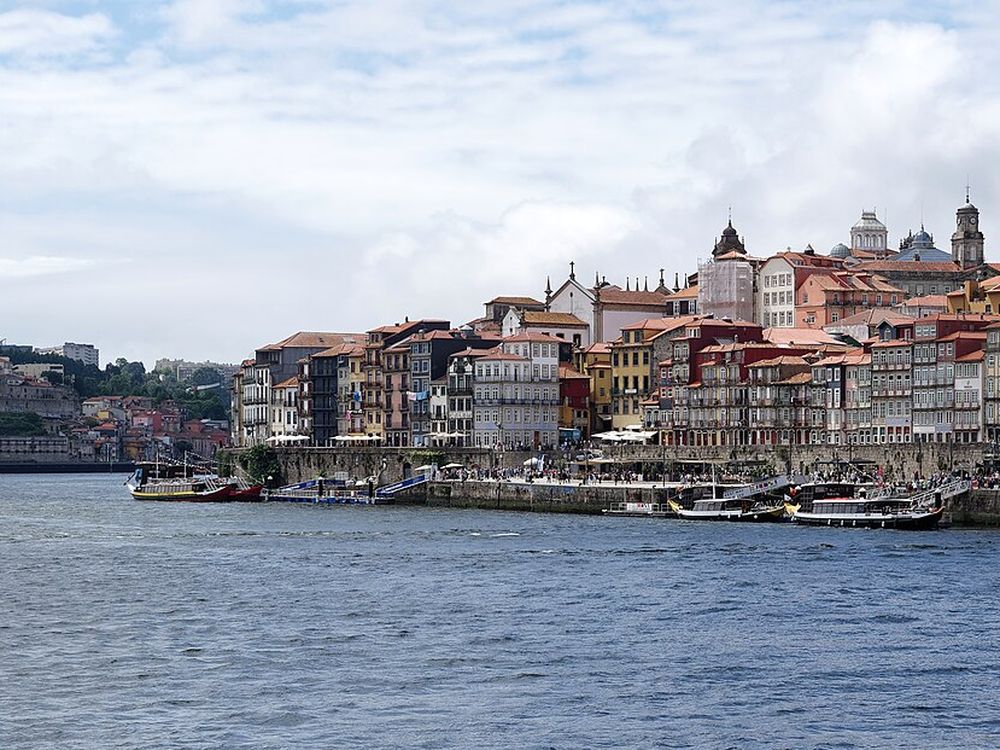
The Douro valley is where I have to be straight with you. Peso da Régua, Pinhão and the bigger quintas have signal. On the river and in the deeper bends of the valley it comes and goes, and the train along the river loses it in the cuttings. It is the most beautiful stretch of rail in the country, and a good reason to download your maps and bookings the day before you leave Porto.

5 · The Algarve and the surf towns
The south coast from Faro to Lagos is well covered, town to town. Boat trips to the Benagil cave leave from Portimão, Armação de Pêra and Benagil itself. I would book them on data the day before, because the good slots go early in summer.

The surf is on the west coast. Sagres, Aljezur and the beaches of the Costa Vicentina are emptier and wilder, and so is the coverage. It is fine in the villages, with gaps on the roads between them and on the beaches under the cliffs. Surf forecast apps are what every surfer opens at dawn, and they want data, so I would check them in the village before you drive to the break.
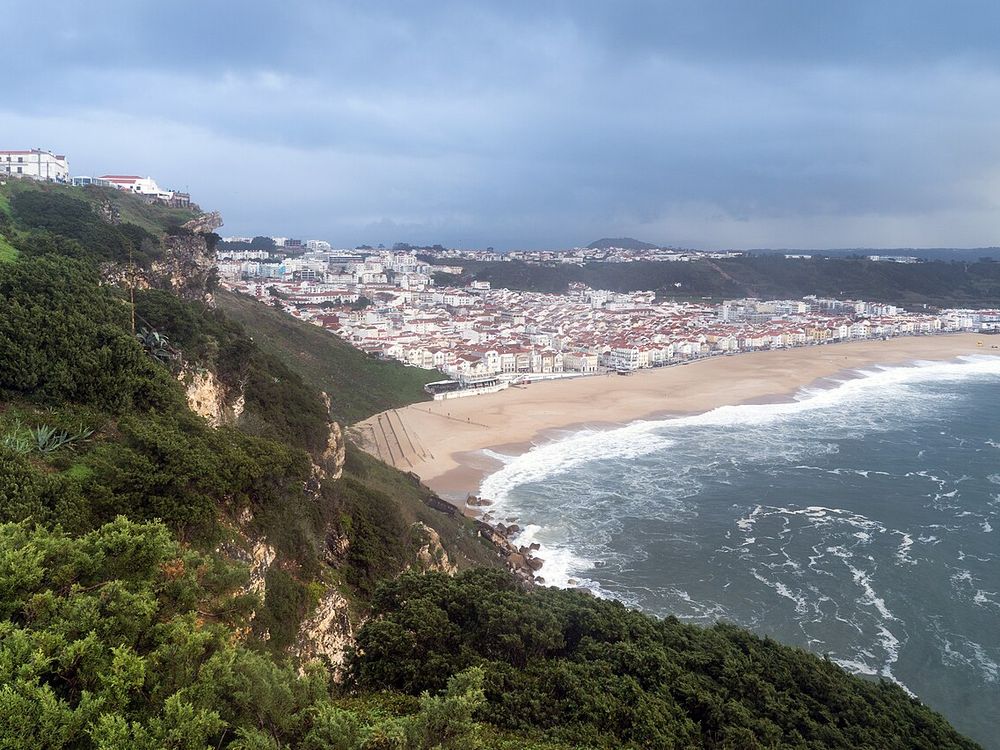
Further north, Ericeira and Peniche are a short drive from Lisbon and have town coverage. Nazaré is where the giant winter waves draw crowds to the lighthouse.
6 · Digital nomads in Lisbon
Lisbon is one of the cities where remote workers stay for months. The home fibre is usually good and coworking spaces are everywhere, so what I would want an eSIM for is the backup. Unlimited data at full speed gives you a hotspot for the laptop on the day the café Wi-Fi gives up, and a phone that works the moment you land instead of after a visit to a shop.
For a stay of up to 30 days, the Portugal trip plan covers it. For months, I would pick the Global plan, which renews each month and keeps working when you fly to Madrid or home for a weekend. Visas, budgets and neighbourhoods are in the .
7 · What two weeks of unlimited data costs
My priced the brands most people search for on the same day, 11 November 2026. Here is Ringo Light against the cheapest rival in each unlimited chart, with the length each one sells.
Swipe to compare →
Prices change, and the comparison post has every brand and my full method.
8 · Which Ringo plan, and how to set it up
Ringo Light is the data eSIM I write for. It is sold to fund the full Ringo, one plan that works everywhere with your own number ported onto it. You install it once, next to your own SIM. Your number stays on your own line for calls and messages, and the eSIM carries the data.
- The Portugal plan, the one I would buy for a trip of up to a month. It gives unlimited data at full speed for 3 days for $8.99, 2 weeks for $16.99 or 30 days for $26.99, and nothing renews.
- The Europe plan, which includes Portugal, the one for a trip that goes on into Spain or beyond. It covers 33 countries for 2 weeks for $22.99 or 30 days for $35.99.
- The Global plan, the one I would take for a stay of months. It is $49.99 a month for 133 countries, renewing until you cancel.
I would install the eSIM on Wi-Fi before you fly, turn Data Roaming on for the eSIM line, and set it as your data line. The step-by-step is in the and . Going on by train across Europe? I wrote the for every border.
The card below sells the Portugal plan, and the same plan is at ringoesim.com/portugal.