1 · The short answer
For a semester in Spain, install Ringo Light's Spain plan before you fly and buy a 30-day plan each month you are there: unlimited data at full speed, 2 weeks for $14.99 or 30 days for $26.99, with nothing that renews. Over 5 months that comes to $134.95. Keep your own SIM in the phone for your bank's codes. A Spanish SIM earns its place if you stay a full year or open a Spanish bank account; even then, the eSIM is what gets you through the first week.
The rest of this guide is the detail: what the first week asks of your phone, when a Spanish number matters, the NIE and the bank apps, and the sums for the whole semester on the Spain plan and on Global.
2 · The first week, when the phone does everything
The first week of an exchange is the busiest your phone will ever be. You land without a Spanish number, a flat or a bank account, and almost everything that fixes that happens on the phone:
- Flat hunting. Viewings are arranged on WhatsApp, often the same day, and the room goes to whoever answers first.
- The university. Registration, the learning agreement, timetables and the international office's emails, usually from a café, before you have Wi-Fi at home.
- Getting around. Maps, metro and bus apps, and the student or youth transport card each city sells.
- The groups. Your Erasmus and faculty group chats start the day you arrive. Being offline that week means missing the first invitations.
A Spanish SIM cannot help with any of that on day one: you need to find a shop, show your passport, and choose a plan in a language you may still be learning. An eSIM installed at home works the moment the plane lands.
3 · A Spanish SIM, an eSIM, or both
Swipe to compare →
A Spanish number matters when Spanish services want one. Banks send their codes to it, Bizum (the payment app everyone in Spain uses to split bills) is tied to a Spanish bank account and number, and some landlords and delivery services will only call a Spanish line. For a year abroad, that tips the balance to a Spanish SIM, and an eSIM covers the first week until you have it.
For a semester, most students never need one. Data on the eSIM, calls and texts on WhatsApp, and your own number kept for the codes from home.
4 · The NIE, bank apps and texts to your home number
The NIE is the foreigner's identity number in Spain. EU students staying longer than three months register for one, and students from outside the EU get theirs with the residence card that follows a student visa. The appointment (the cita previa) is booked online and can take weeks to find, so start early. A prepaid Spanish SIM does not need it; a phone contract, a Spanish bank account and most rental contracts do.
Your bank at home keeps sending its one-time codes to your home number, and that is the reason to keep your own SIM in the phone all semester. Leave it on for calls and texts with data roaming off, so it cannot run up a bill, and set the eSIM as the data line. The codes arrive as usual. Our has the settings for iPhone and Android.
Coming from the UK, the question of keeping your number for a semester or a year has its own guide: .
5 · City by city
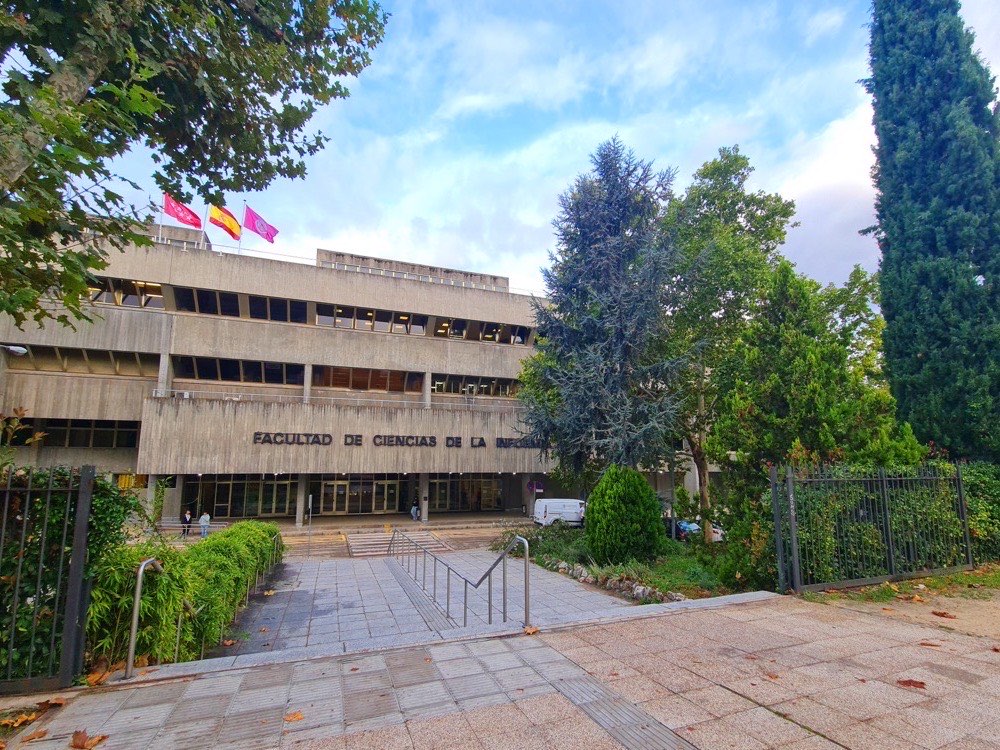
Madrid. The Complutense's campus at Ciudad Universitaria is big enough to need a map for the first week. The metro has mobile coverage in most stations and tunnels, which makes the commute the time you answer the flat messages.
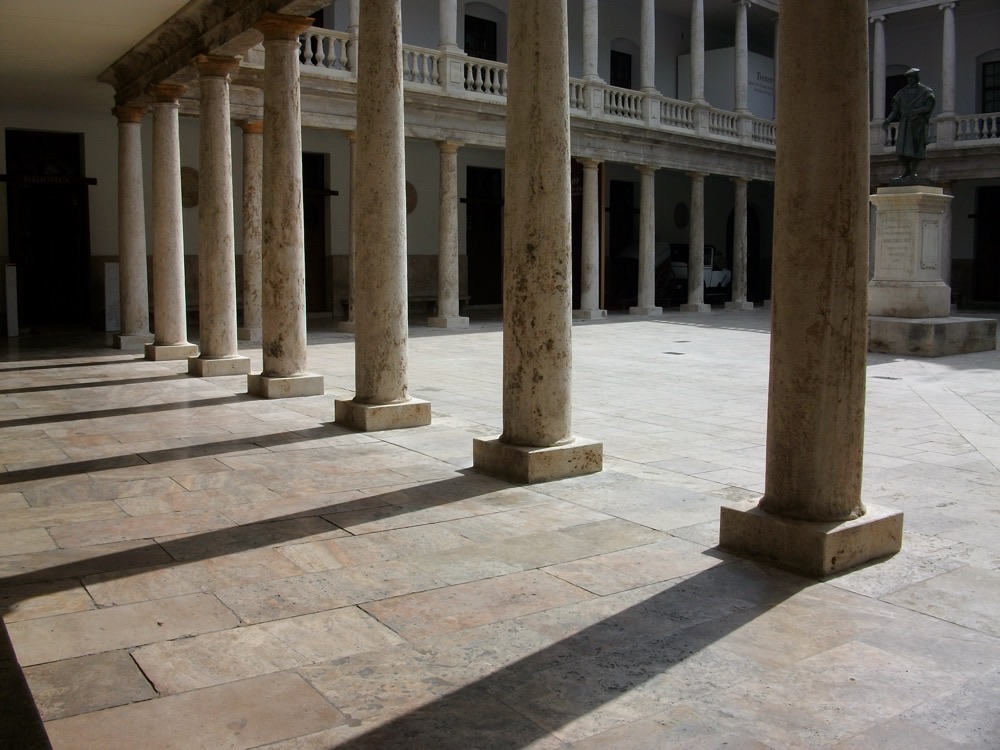
Barcelona. The University of Barcelona's historic building sits on the Plaça de la Universitat, in the middle of the city; the other universities are spread across it. Rooms go fast in September, so the WhatsApp viewing rule applies twice over. Pickpockets around the busiest sights target phones: keep yours zipped away on the metro.

Valencia. The old university building, La Nau, is in the centre; most teaching is on the campuses further out. A flat, compact city for cycling, and the city's bike scheme runs on its app.
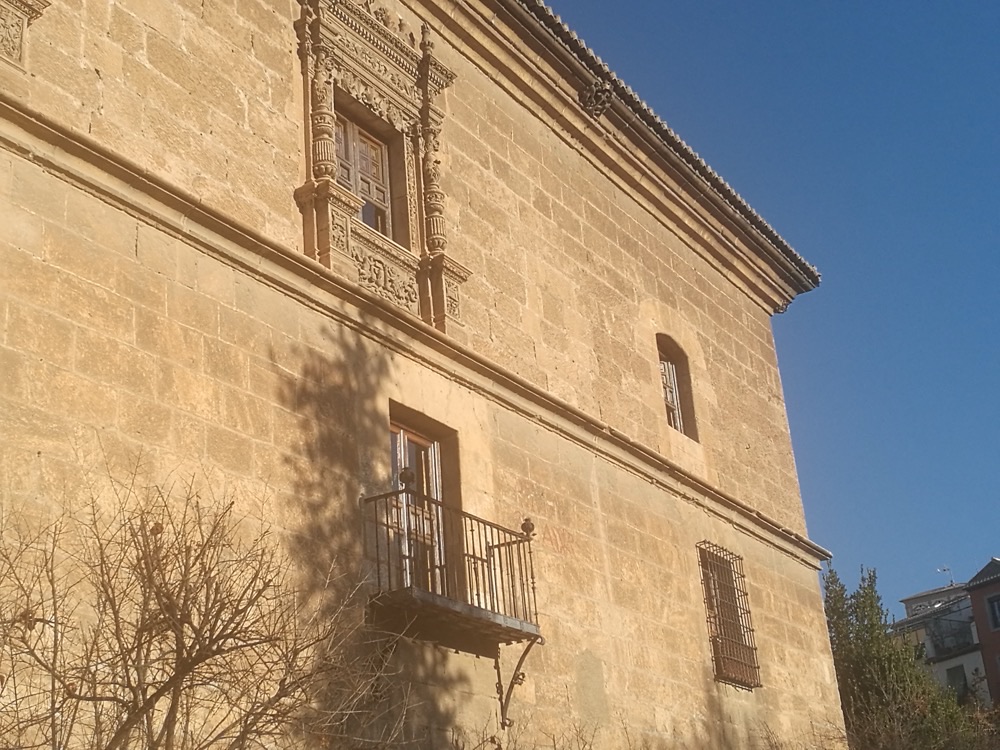
Granada. One of the most popular exchange cities in Europe, and a small one: you will walk most places. The rectorate is in the Hospital Real; the Alhambra above the city is where every visitor gets taken.

Sevilla. The university's main building is the old Royal Tobacco Factory, a short walk from the Plaza de España. Summer heat drains phone batteries as fast as it drains people; keep the phone out of the sun at the terrace table.

6 · The five months, priced
A semester runs about 5 months, September to January or February for most exchanges. Two ways to cover it on Ringo Light, both read from our catalogue when this page is built:
Swipe to compare →
If you stay in Spain, the Spain plan is the cheaper of the two by a distance. Global makes sense if you would rather never think about it again, or if your weekends go a long way beyond Spain. For the usual weekend trips, read from the catalogue:
Swipe to compare →
Students with an EU SIM already roam at home across the EU, so a weekend in Lisbon or Paris costs nothing extra on their own line; Morocco, a short ferry from the south, is outside that.
7 · What a month of unlimited data costs in Spain
Priced on the same day, 27 September 2026, for a month of unlimited data in Spain:
Swipe to compare →
The cheapest other brand was Ubigi, at $44.00. Every brand and the fine print are in .
8 · Which Ringo plan, and how to set it up
Ringo Light is our own data eSIM, sold to fund the full Ringo, one plan that works everywhere with your own number ported onto it. Installed once, next to your own SIM. Your number stays on your own line for calls and messages; the eSIM carries the data.
On Ringo Light you get unlimited data at full speed for the length of the plan: 2 weeks for $14.99 or 30 days for $26.99, nothing that renews.
The eSIM arrives by email within seconds. Install it at home on Wi-Fi, switch its data on when you land, and turn Data Roaming on for it; that toggle is how a travel eSIM connects. For studying anywhere else, our compares the options country by country.